Seismic Monitoring & Early Warning Systems
Geography: Emea · Middle East · Turkey
The devastating February 2023 earthquakes (50,000+ deaths, 150,000+ buildings destroyed) exposed critical gaps in Turkey's earthquake warning infrastructure and catalyzed massive investment in seismic monitoring technology. Turkey is now deploying dense seismometer networks along the North Anatolian Fault, AI-powered structural health monitoring for critical infrastructure, and real-time building integrity assessment systems. Research published in Nature showed that smartphone-based early warning could have provided 10-60 seconds of warning during the 2023 event.
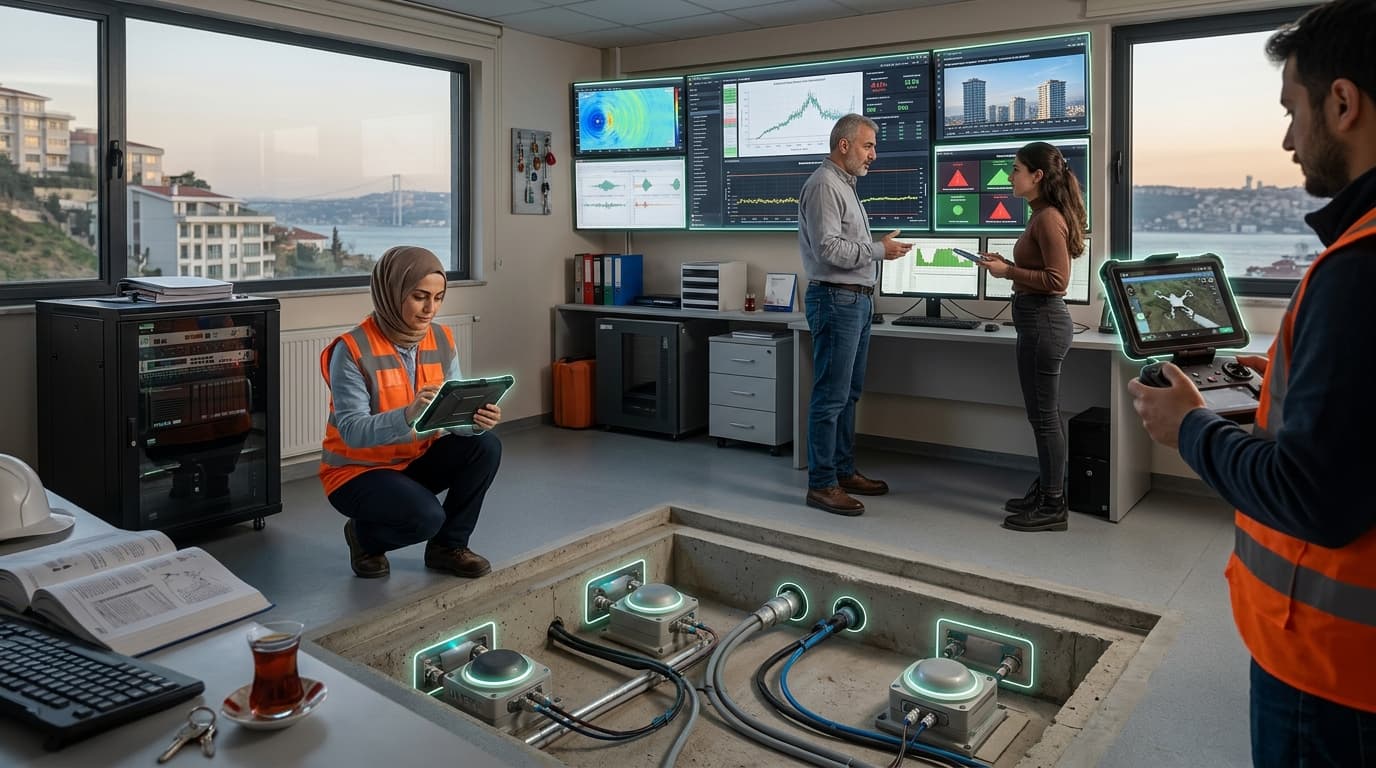
Turkey sits on one of the world's most active seismic zones — the North Anatolian Fault alone threatens Istanbul (16 million people) with a high-probability major earthquake. This existential threat drives investment in indigenous seismic technology: dense IoT sensor networks for real-time ground motion monitoring, machine learning algorithms for rapid earthquake characterization, fiber-optic distributed acoustic sensing along fault lines, and drone swarms for post-earthquake building damage assessment. The technology stack integrates satellite imagery from indigenous Göktürk/IMECE satellites with ground-based sensors.
The post-disaster innovation push creates exportable technology for the broader Anatolian-Alpine seismic belt stretching from Southern Europe through Iran, Central Asia, and the Himalayas. Turkey's hard-won experience — both the catastrophic failure of 2023 and the subsequent technological response — generates credibility and domain expertise that purely laboratory-developed systems cannot match. The combination of seismic monitoring, AI-driven structural assessment, and rapid-response drone technology forms a comprehensive disaster resilience stack with growing global demand.
Research this in Signals
Signals turns a topic into a sourced research record you can inspect and rerun. Your first scan is free, and this one starts with Seismic Monitoring & Early Warning Systems already loaded, so edit it or scan as is.