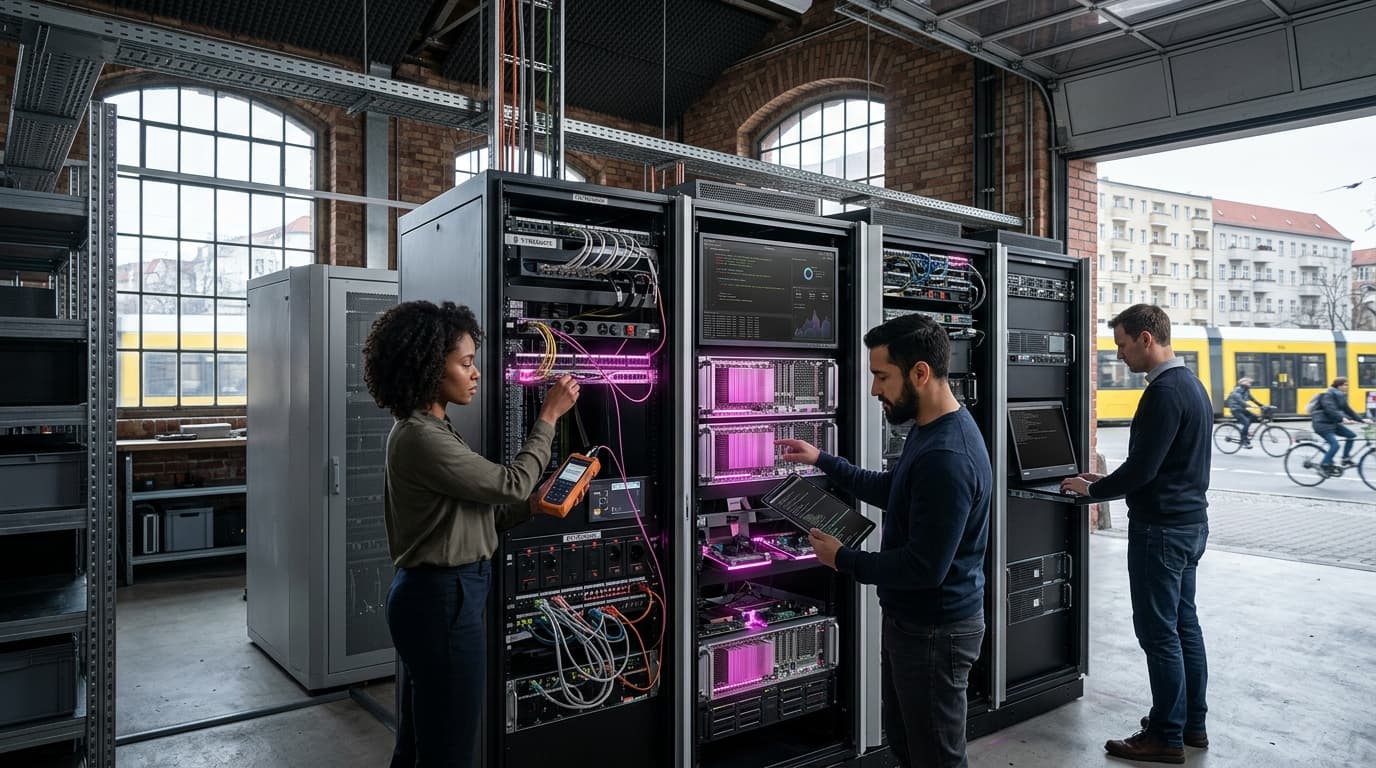
European Processor Initiative (RISC-V Sovereign Compute)
Geography: Emea · Europe · Europe
The European Processor Initiative (EPI) is an EU-funded consortium of 29 partners across 11 countries developing sovereign processor technology based on the open-source RISC-V instruction set architecture. Its flagship product, the EPAC (European Processor Accelerator), is designed for high-performance computing and AI workloads in next-generation European supercomputers. The initiative is funded under the EuroHPC Joint Undertaking and Chips JU programs, with the explicit goal of ensuring European computing infrastructure does not depend on U.S. (x86/AMD/Intel) or UK (Arm) controlled instruction set architectures.
EPI addresses a fundamental layer of compute sovereignty that most European digital sovereignty efforts overlook. While Europe has invested in sovereign cloud (Gaia-X) and sovereign AI models, the processors running those workloads are designed under American or British-licensed architectures, subject to export controls and corporate decisions outside European control. RISC-V's open-source nature means no single company or government can restrict Europe's access to the instruction set itself. EPI's work extends beyond chips to include the full software stack — compilers, operating systems, and libraries — needed to make RISC-V processors practically usable.
Strategically, EPI represents Europe's long-game bet on compute sovereignty. While current RISC-V processors cannot match the performance of cutting-edge x86 or Arm designs, the architecture is rapidly maturing. European automotive manufacturers are particularly interested in RISC-V for software-defined vehicles, where license-free, auditable processor designs reduce supply-chain risk. If EPI succeeds in delivering competitive HPC accelerators, it would give Europe something no amount of cloud regulation can provide — sovereign silicon that runs without anyone else's permission.
Research this in Signals
Signals turns a topic into a sourced research record you can inspect and rerun. Your first scan is free, and this one starts with European Processor Initiative (RISC-V Sovereign Compute) already loaded, so edit it or scan as is.