Light-Based Quantum
This page is a narrower case of it.
Geography: Asia Pacific · East Asia · China
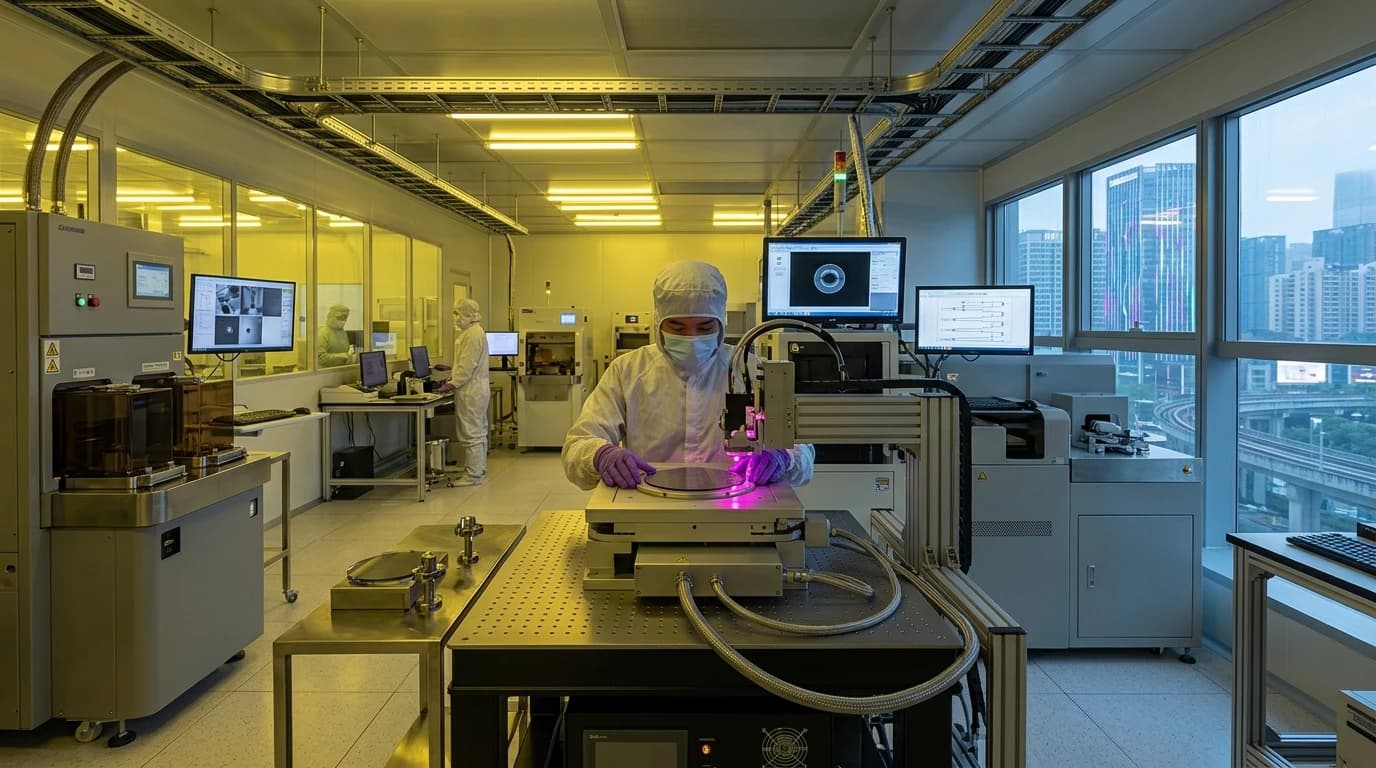
Photonic quantum computing uses photons (particles of light) instead of superconducting circuits to perform quantum operations. The advantage: photonic systems can operate at room temperature, unlike superconducting qubits that require cooling to near absolute zero.
Chinese research institutes have demonstrated photonic quantum chips that achieve 1,000x speedups on specific complex computing tasks. The enabling material is thin-film lithium niobate (TFLN), which China is now manufacturing at increasing scale.
Photonic quantum computing is earlier-stage than superconducting approaches (which China is also pursuing with Zuchongzhi). The bet is on long-term scalability: photonic systems may be easier to scale to millions of qubits because they don't face the same refrigeration constraints. China is hedging by investing in both approaches simultaneously.
Published forecasts about this technology, graded against what happened in Hindsight.
Light-Based Quantum
This page is a narrower case of it.
Quantum-Optical Chip
This page is a narrower case of it.
Signals turns a topic into a sourced research record you can inspect and rerun. Your first scan is free, and this one starts with Photonic Quantum Chip already loaded, so edit it or scan as is.