LightGen Photonic AI Chip
Geography: Asia Pacific · East Asia · China
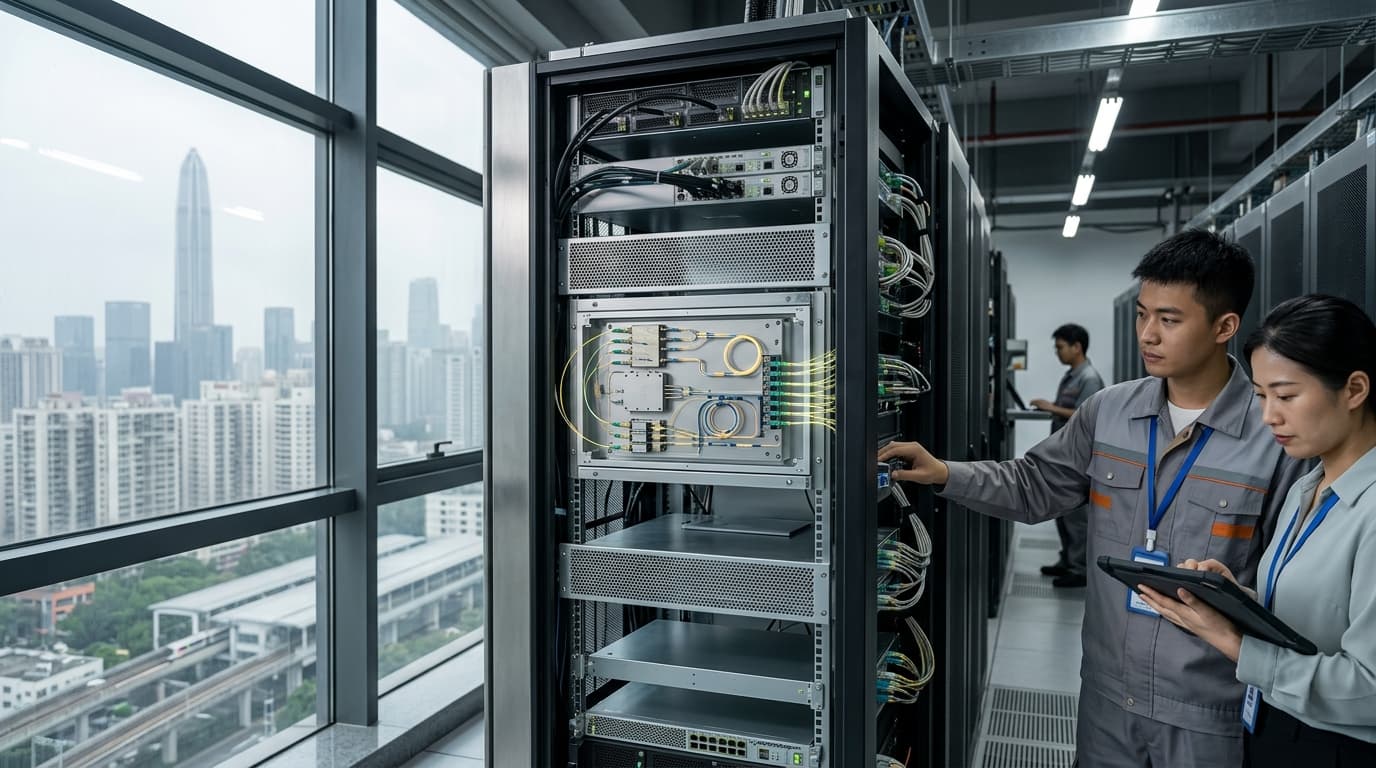
Researchers at Shanghai Jiao Tong and Tsinghua universities built LightGen, a chip that processes AI workloads using photons rather than electrons. With over 2 million integrated photonic neurons, it generates high-resolution images and 3D scenes at 100x the speed and energy efficiency of NVIDIA's flagship GPU.
The strategic significance is sanctions-proofing. Photonic chips don't use the transistor-based fabrication that US export controls target. They can be manufactured with different equipment and different materials, potentially rendering the entire silicon chip embargo irrelevant for certain AI workloads.
The constraint is generality. LightGen excels at specific tasks (image/video generation) where parallel photonic processing has natural advantages. It's not a general-purpose replacement for electronic GPUs — yet. But if photonic architectures can be extended to training and inference broadly, China could leapfrog the silicon paradigm entirely.
Research this in Signals
Signals turns a topic into a sourced research record you can inspect and rerun. Your first scan is free, and this one starts with LightGen Photonic AI Chip already loaded, so edit it or scan as is.