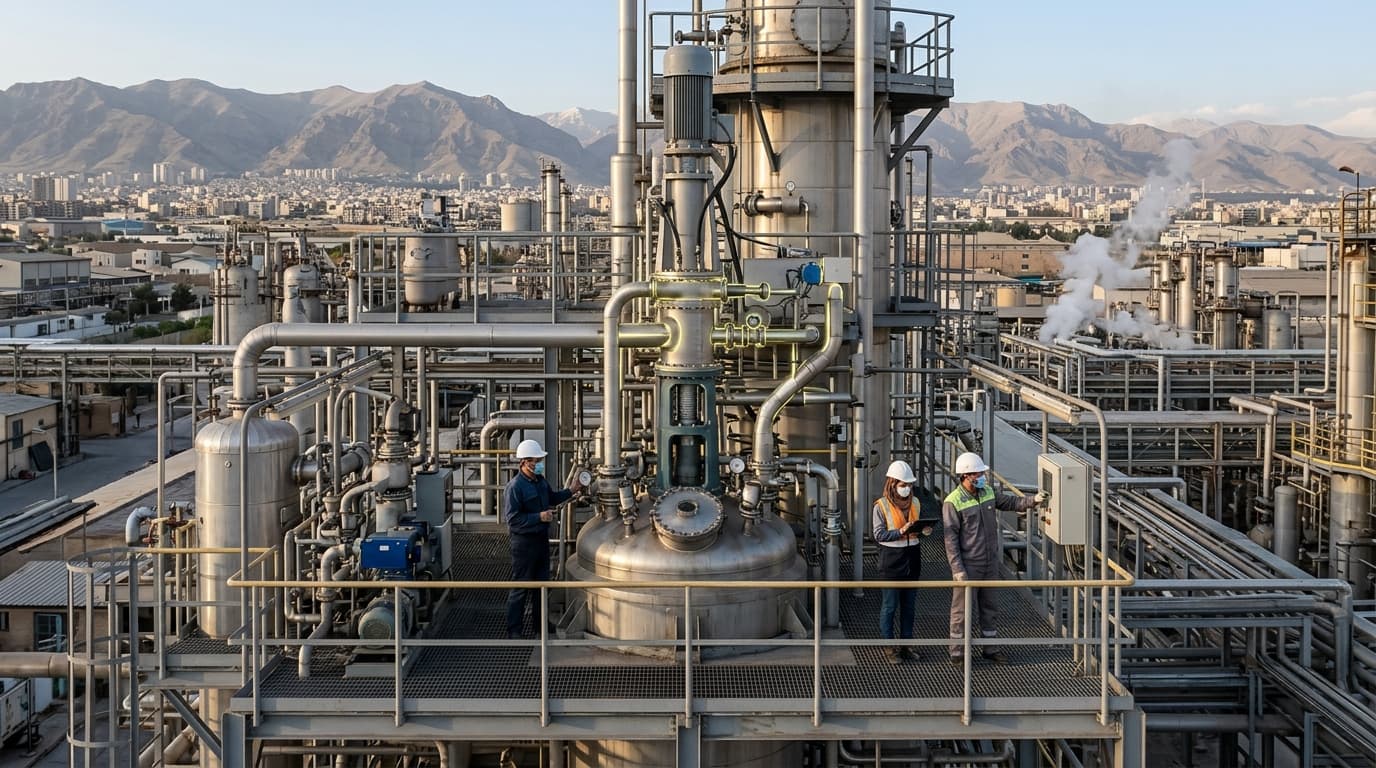
Large-Scale Polyolefin Production Technology
Geography: Emea · Middle East · Iran
Iran is a significant global producer of polyolefins (polyethylene and polypropylene), leveraging its vast natural gas reserves as cheap feedstock. The National Petrochemical Company (NPC) has overseen massive capacity expansion over two decades, building large-scale petrochemical complexes at Assaluyeh, Mahshahr, and other locations. Iran produces multiple grades of HDPE, LDPE, LLDPE, and polypropylene for domestic consumption and export, with annual petrochemical production capacity exceeding 90 million tons.
The economics of Iranian polyolefin production are driven by feedstock advantage: Iran holds the world's second-largest natural gas reserves (after Russia), providing ethylene and propylene at costs well below those in Europe or Northeast Asia. This natural advantage has attracted continued investment despite sanctions, though technology access for the most advanced processes (metallocene catalysts, bimodal reactors) remains constrained. Iran has responded by developing domestic process technology and catalysts.
The petrochemical sector represents Iran's most significant non-oil industrial export category and a key element of its economic diversification strategy. Revenue from polymer exports partially offsets the impact of oil export sanctions. The sector also drives downstream industrial development in packaging, construction materials, automotive parts, and consumer goods manufacturing. The challenge is moving up the value chain from commodity polymers to specialty and engineering plastics, which requires more sophisticated technology that is harder to develop or acquire under sanctions.
Research this in Signals
Signals turns a topic into a sourced research record you can inspect and rerun. Your first scan is free, and this one starts with Large-Scale Polyolefin Production Technology already loaded, so edit it or scan as is.