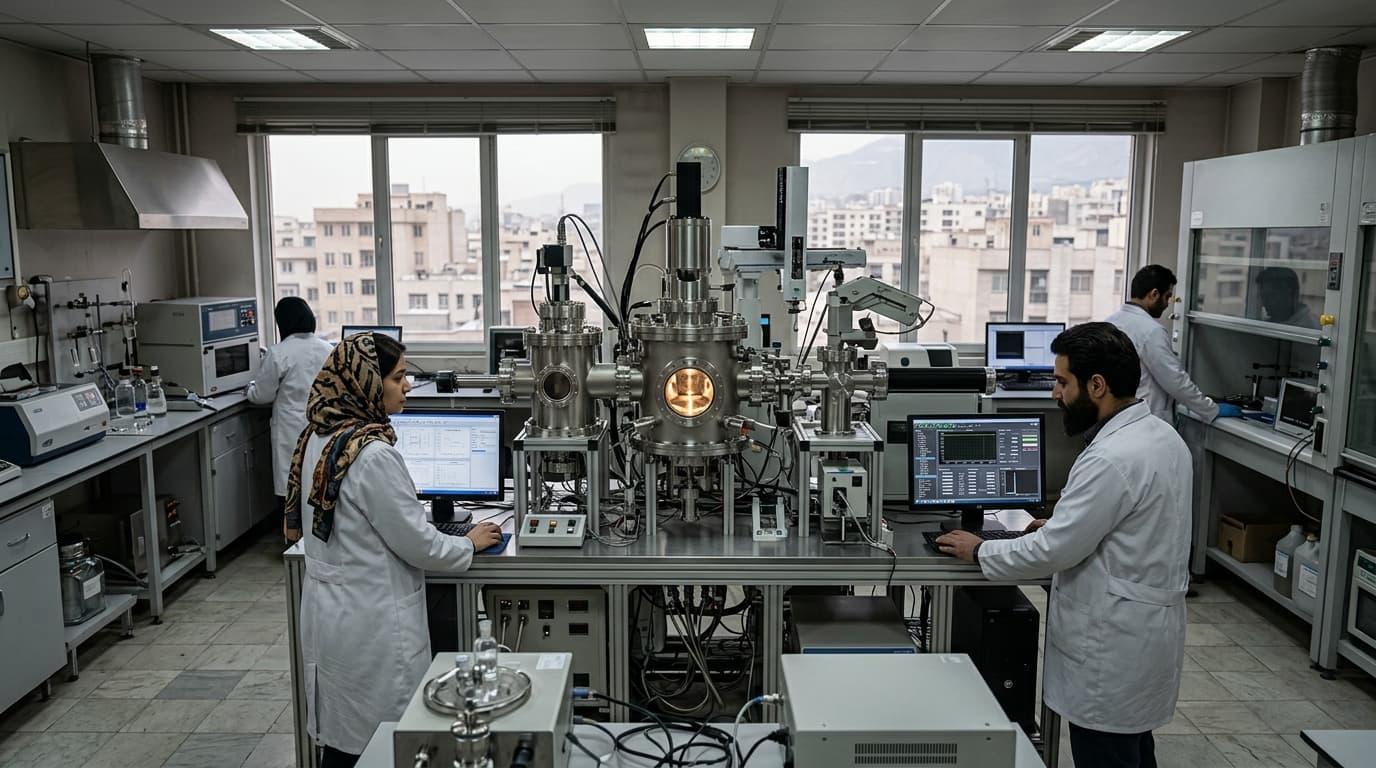
Nanotechnology Research and Product Development
Geography: Emea · Middle East · Iran
Iran's nanotechnology program, established through the Iran Nanotechnology Initiative Council (INIC) in 2003, has produced one of the world's most prolific publication records. According to StatNano data, Iran ranks 4th globally in nanotechnology article output, 12th in five-year h-index, and 1st worldwide in the proportion of nanotechnology papers relative to total scientific publications. The program has produced over 300 commercially available nano-products in areas including water purification membranes, nano-catalysts for petrochemical processes, nano-textiles, and nano-medicine formulations.
The strategic importance of the nanotechnology program lies in its cross-cutting nature. Nano-materials and nano-engineering techniques feed into multiple sectors: catalysts for the petrochemical industry (Iran's largest non-oil export), drug delivery systems for the pharmaceutical sector, water treatment membranes for addressing the country's severe water crisis, and advanced materials for defense applications. The breadth of application means that nanotech R&D returns compound across the economy.
Iran's nano-strategy is often cited as a model of successful science policy for middle-income countries under constraint. The INIC provided coordinated funding, university programs, industry linkages, and quality standards that turned a nascent field into a national strength within two decades. The challenge now is commercialization — Iran's nano-publication output far exceeds its nano-product export revenue, suggesting a persistent gap between laboratory achievement and industrial scale-up. Nonetheless, in domains like petrochemical catalysts and water treatment, nano-derived products are already deployed at scale domestically.
Research this in Signals
Signals turns a topic into a sourced research record you can inspect and rerun. Your first scan is free, and this one starts with Nanotechnology Research and Product Development already loaded, so edit it or scan as is.