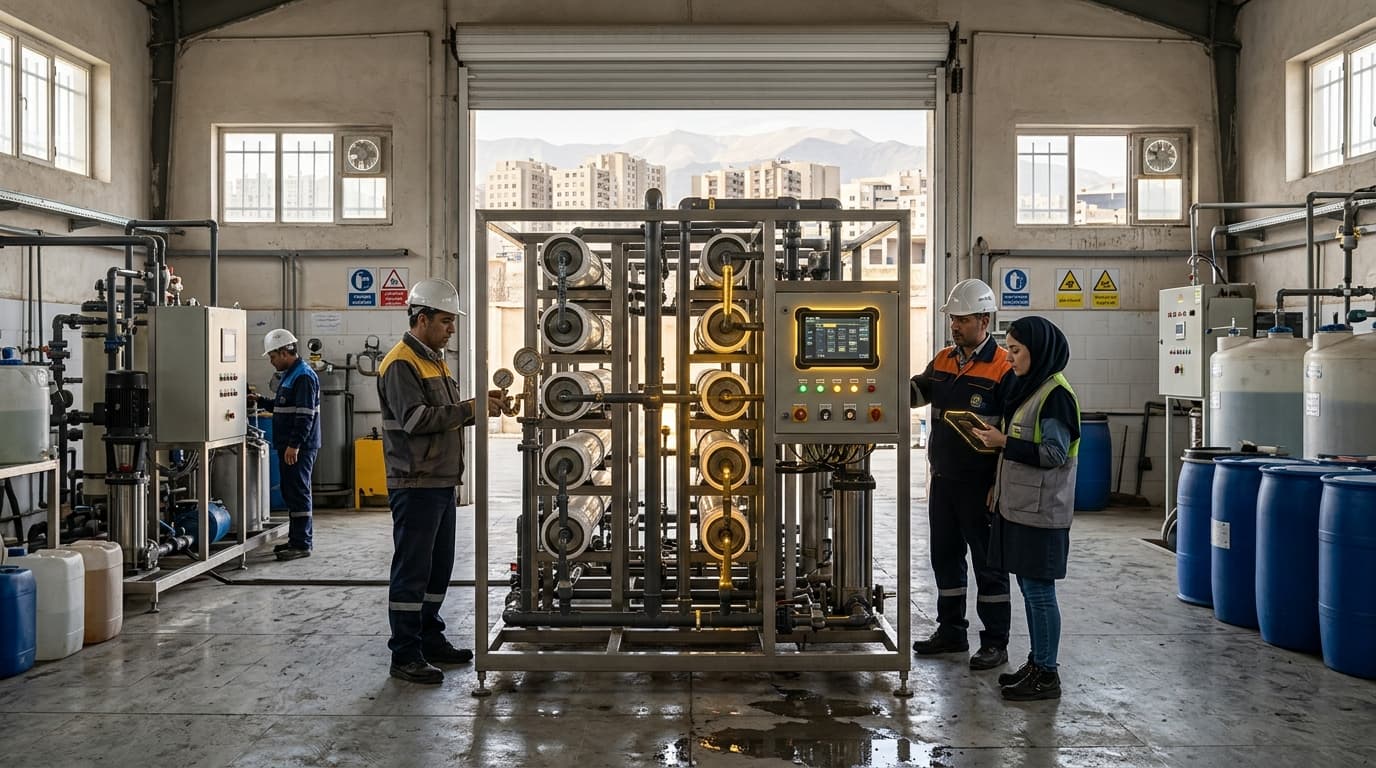
Nano-Engineered Water Purification Membranes
Geography: Emea · Middle East · Iran
Iran's nanotechnology program has produced commercially available nano-engineered water purification membranes, including reverse osmosis membranes enhanced with nano-materials for improved fouling resistance, flux rates, and salt rejection. These membranes are manufactured domestically and deployed in both the large-scale Persian Gulf desalination projects and smaller municipal and industrial water treatment systems. The technology draws on Iran's broad nano-materials research base, with multiple university groups working on membrane science.
Water purification membrane technology is strategically critical for Iran because of the convergence of two factors: the country faces one of the world's most severe water crises (projected 40% groundwater decline by 2030 in some basins), and international sanctions restrict access to high-performance membranes from leading manufacturers like Dow, Toray, and Hydranautics. Indigenous membrane production thus serves both national water security and industrial self-sufficiency goals.
The commercial potential extends beyond Iran. Many countries in the Middle East, Central Asia, and North Africa face similar water stress and could benefit from affordable desalination and wastewater treatment membrane technology. If Iranian membranes can demonstrate competitive performance at lower cost — leveraging cheaper labor and domestic nano-materials production — there is a potential export market among countries not participating in sanctions. The challenge is quality verification: high-performance membrane markets demand rigorous third-party testing and certification that is difficult to obtain under sanctions.
Research this in Signals
Signals turns a topic into a sourced research record you can inspect and rerun. Your first scan is free, and this one starts with Nano-Engineered Water Purification Membranes already loaded, so edit it or scan as is.