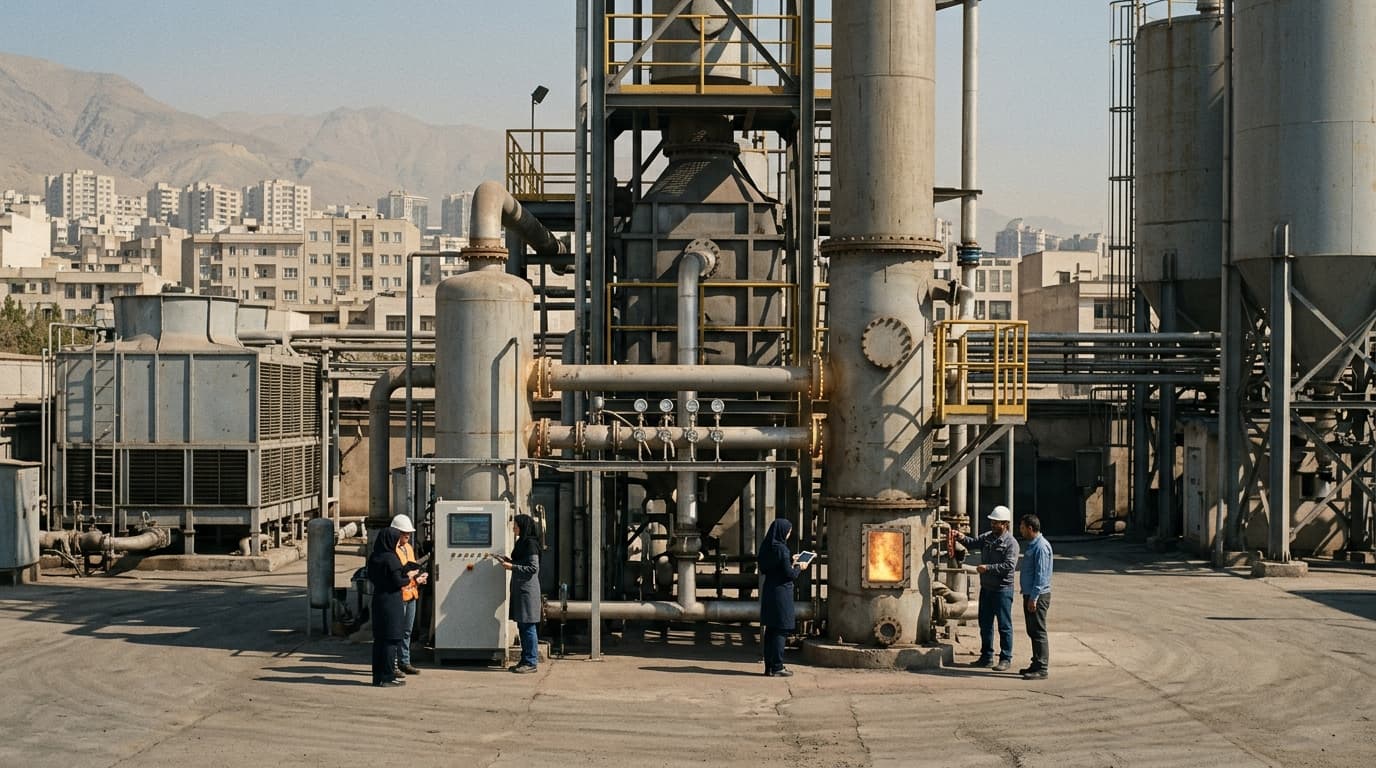
Direct Reduced Iron (DRI) Steel Production
Geography: Emea · Middle East · Iran
Iran is the world's second-largest producer of direct reduced iron (DRI), a steelmaking method that uses natural gas instead of coal-fired blast furnaces to reduce iron ore. The country produced approximately 33 million tons of DRI in 2023, accounting for roughly 28% of global output. Mobarakeh Steel Company, Iran's largest steel producer, operates the single largest DRI production complex in the world. The process leverages Iran's enormous natural gas reserves — the world's second-largest — as both reductant and energy source.
DRI technology is strategically significant for Iran because it converts two abundant domestic resources (iron ore and natural gas) into a high-value industrial product without requiring coking coal, which Iran lacks. The MIDREX process dominates Iranian DRI production, though domestic engineering firms have developed modifications and operational optimizations suited to local conditions. The technology chain extends from mining through pelletization, reduction, and electric arc furnace steelmaking, creating an integrated domestic steel value chain that supports construction, automotive, and infrastructure sectors.
Iran's DRI dominance has global implications for the steel industry's decarbonization trajectory. DRI produced with natural gas emits roughly 50-60% less CO2 than blast furnace steelmaking, and the same plants can potentially transition to hydrogen-based reduction as green hydrogen becomes available. Iran exports both DRI and finished steel products to regional markets, and the technology represents one of the country's most significant non-oil industrial capabilities. The scale of production — approaching 10% of total world steel output via the DRI route — makes Iran a structural player in global steel markets.
Research this in Signals
Signals turns a topic into a sourced research record you can inspect and rerun. Your first scan is free, and this one starts with Direct Reduced Iron (DRI) Steel Production already loaded, so edit it or scan as is.