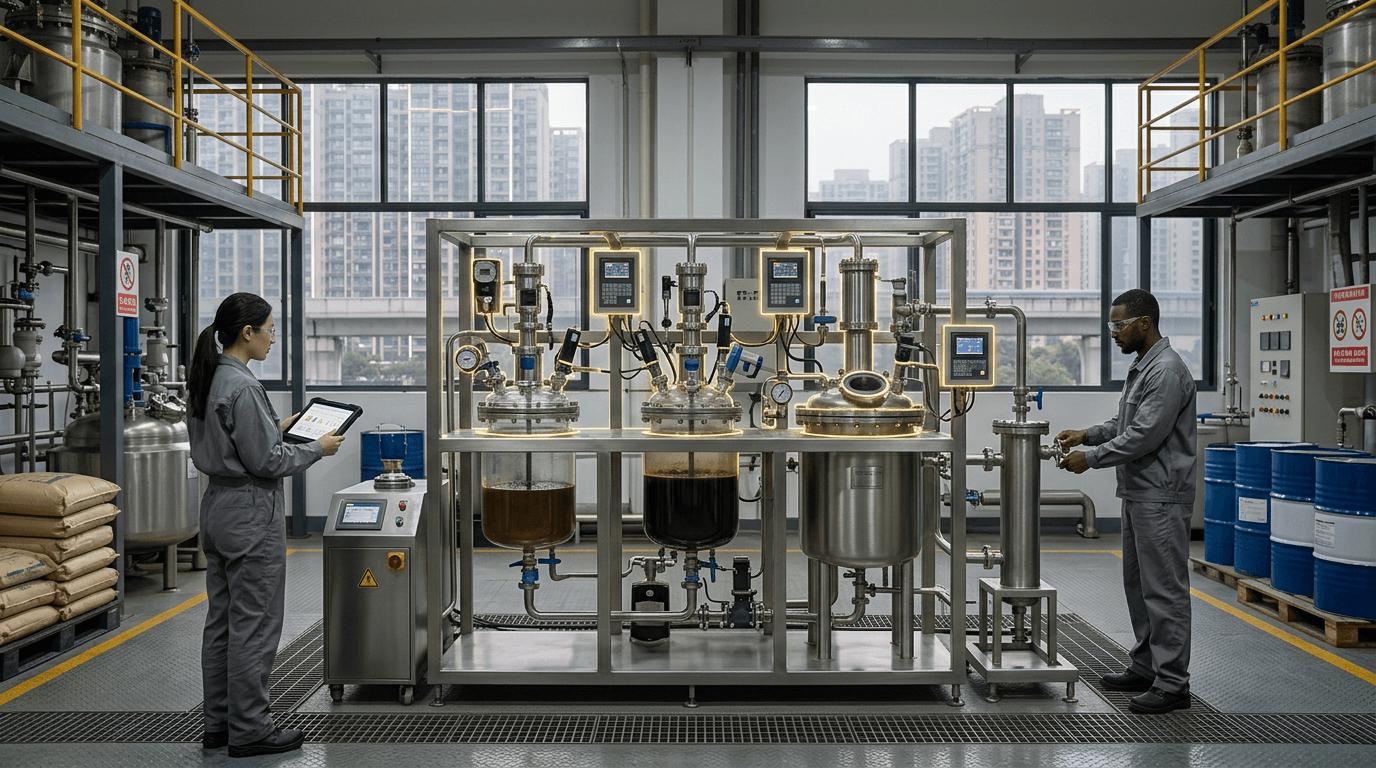
Rare Earth Processing and Innovation
Geography: Asia Pacific · East Asia · China
Rare earth elements are essential for EV motors, wind turbines, smartphones, jet engines, and guided missiles. China's dominance isn't in the dirt — rare earths exist globally — but in the processing. Decades of investment in separation, refining, and alloy production created a near-monopoly that's extremely expensive to replicate.
In 2025, China shifted from raw material export control to downstream innovation. State-backed enterprises filed aggressive patent clusters in rare earth magnets for robotics, rare earth lasers for manufacturing, and rare earth catalysts for pharmaceutical production. The strategy: capture value not just from the minerals, but from the high-tech applications they enable.
When China restricted rare earth exports to the US and EU in 2025, it exposed a dependency that has no quick fix. Building rare earth processing capacity outside China takes 5-10 years and billions in capital — plus solving the environmental challenges that China absorbed but Western communities won't accept.
Research this in Signals
Signals turns a topic into a sourced research record you can inspect and rerun. Your first scan is free, and this one starts with Rare Earth Processing and Innovation already loaded, so edit it or scan as is.