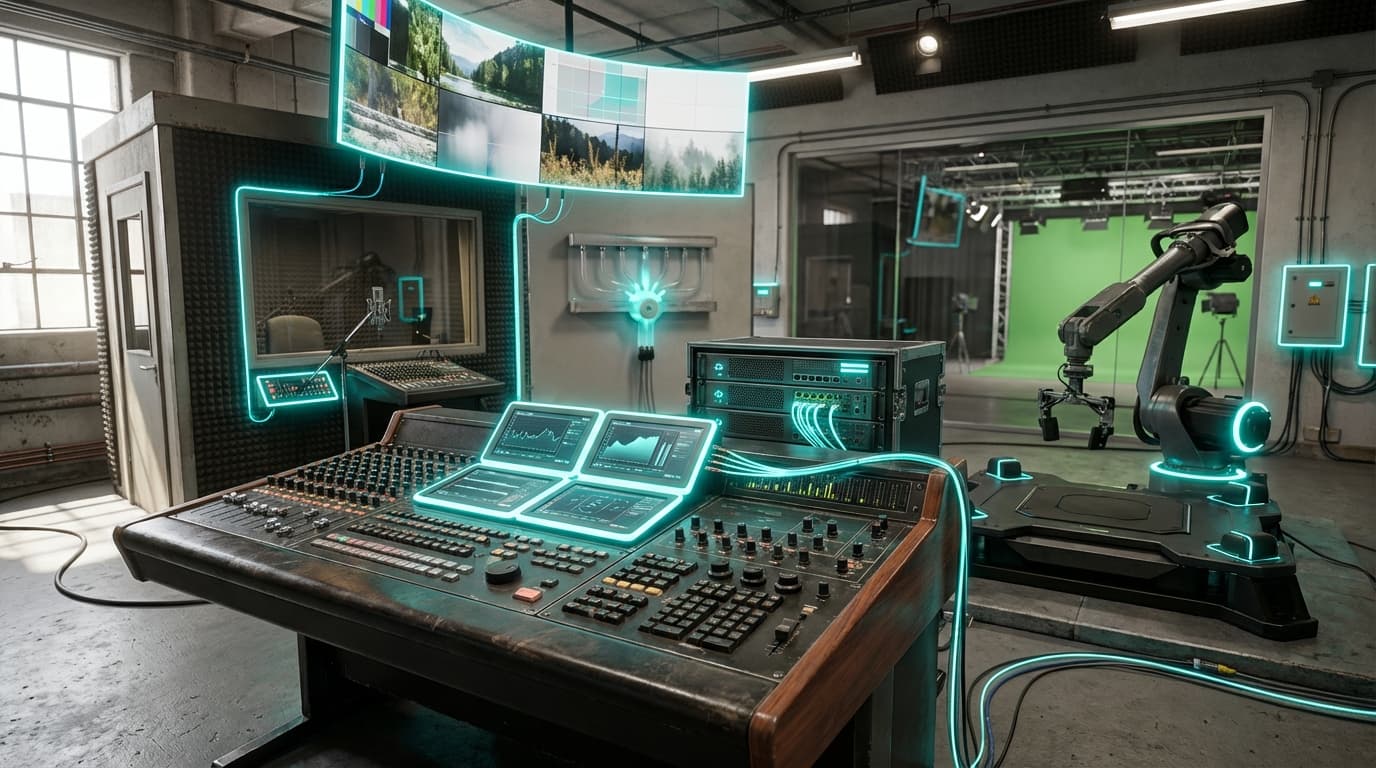
Multi-Sensory Synchronization Protocols
Multi-sensory synchronization protocols extend SMPTE ST 2059 and PTP timing with additional metadata for haptics, scent, lighting, and pneumatic effects. They model per-channel latency, packet jitter, and spatial positioning so control systems can pre-roll assets or send predictive triggers that land simultaneously on devices with wildly different response times. Over unreliable networks the stack falls back to buffered playback with drift correction, keeping audience perception aligned even when Wi-Fi hiccups.
Immersive theaters, esports arenas, and premium home cinema systems rely on these protocols to align rumbling seats, scent diffusers, LED walls, and object-based audio down to the millisecond. Streaming services embed timing cues into manifest files, enabling companion devices to sync via Bluetooth or Thread. Museums and wellness spas, which often retrofit diverse equipment, need vendor-neutral timing so creative teams can author multi-sensory cues once and deploy everywhere.
Implementation (TRL 5) requires adoption by hardware vendors and buy-in from standards bodies. SMPTE RIS, the Open Control Architecture Alliance, and Khronos are collaborating on schema definitions, while Dolby and Sensiks experiment with metadata carriage inside Dolby Atmos or MPEG-I streams. As more venues expose multi-sensory APIs, synchronization protocols will become as essential as MIDI or DMX for cross-modal storytelling.
Related Organizations
United States · Consortium
The Society of Motion Picture and Television Engineers defines the timing standards (like ST 2110) that underpin media synchronization.
Canada · Company
Creates haptic motion codes synchronized with movies, gaming, and simulation content.

Develops the Aroma Shooter, a directional scent delivery device that uses solid-state cartridges.

The primary IP holder and licensor for haptic technologies globally.

The Moving Picture Experts Group, responsible for the MPEG-V standard which defines sensory effects metadata.

Produces haptic vests and accessories for VR, providing SDKs to sync tactile feedback with game events.

Creates wearable scent technology (ION) for VR/AR headsets to deliver precise olfactory experiences.
United States · Company
Gaming hardware company utilizing HyperSense haptics (based on Lofelt technology).

Creates a haptic gaming suit that uses electrostimulation to simulate physical sensations synchronized with gameplay.

Parent company of Philips Hue, which offers the 'Hue Sync' protocol to align smart lighting with HDMI video signals.
Supporting Evidence
Research this in Signals
Signals turns a topic into a sourced research record you can inspect and rerun. Your first scan is free, and this one starts with Multi-Sensory Synchronization Protocols already loaded, so edit it or scan as is.