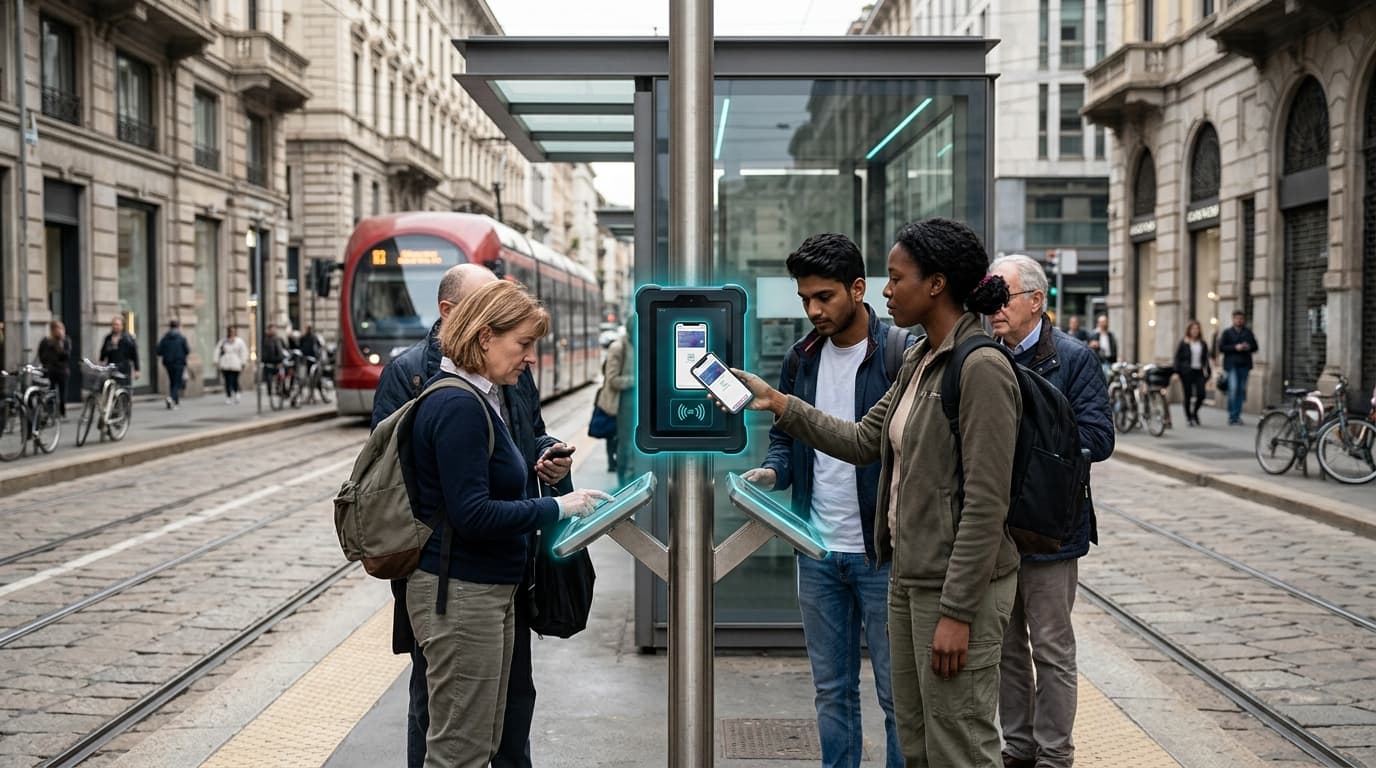
eIDAS and Digital Identity
Geography: Emea · Europe · Europe
The revised eIDAS regulation (eIDAS 2.0) requires all EU member states to offer digital identity wallets to their citizens by 2026. France is among the first movers, planning country-wide digital identity cards on smartphones (including iPhone integration) by summer 2025. The wallet stores government-issued identity documents, driving licenses, health insurance cards, and educational diplomas.
The architecture is designed for privacy: citizens control which attributes they share (you can prove you're over 18 without revealing your birth date), and transactions are not tracked by the identity provider. This 'selective disclosure' approach sets a global standard for privacy-preserving digital identity.
The pan-European scope is what distinguishes this from national digital ID systems: a French digital identity will be recognized in Germany, Spain, or any other EU member state. Cross-border recognition of digital identities enables seamless access to government services, banking, healthcare, and telecommunications across the single market — a practical integration step that goes beyond what any other multi-country digital identity system has achieved.
Research this in Signals
Signals turns a topic into a sourced research record you can inspect and rerun. Your first scan is free, and this one starts with eIDAS and Digital Identity already loaded, so edit it or scan as is.