Circular Economy Regulation as Technology Export
Geography: Emea · Europe · Europe
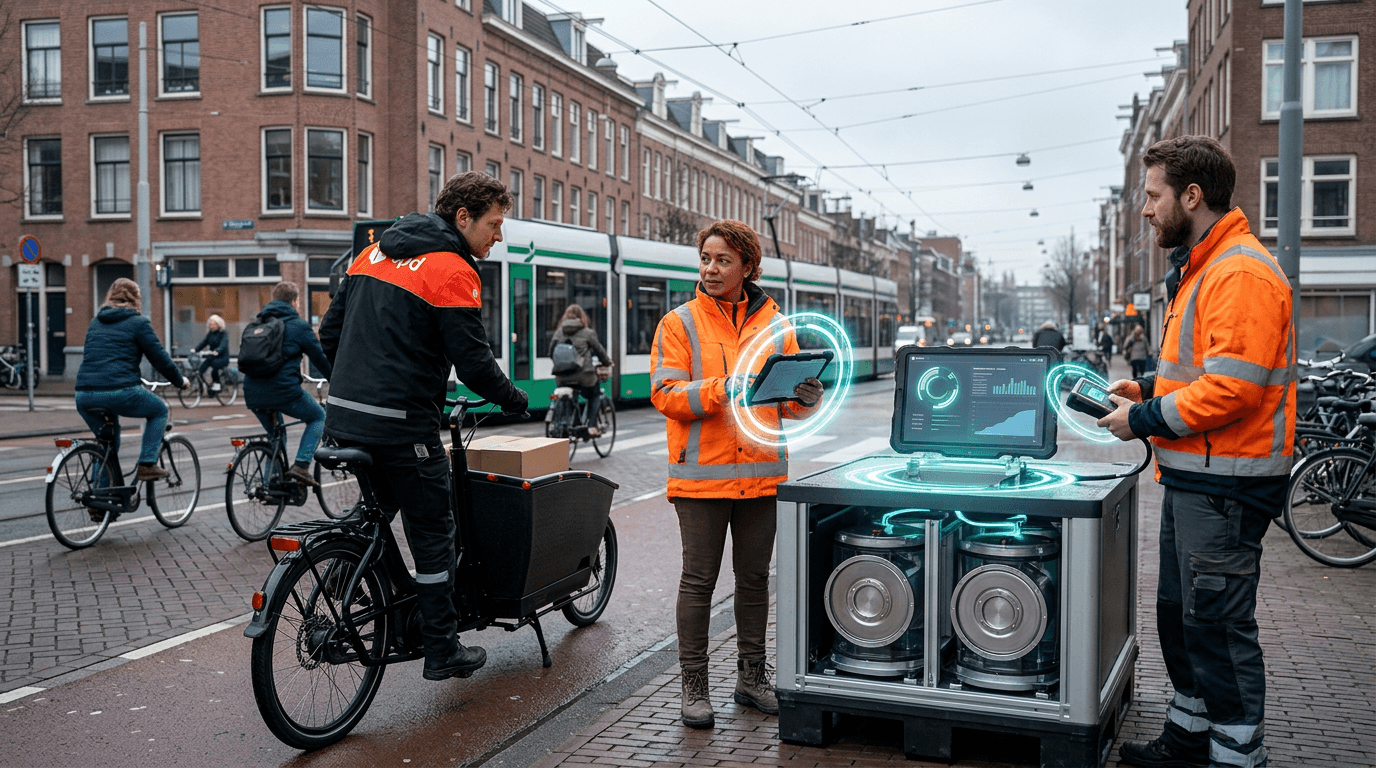
The EU is implementing a suite of circular economy regulations that function as technology exports: Digital Product Passports (DPPs) requiring QR-coded lifecycle data on electronics, textiles, and batteries; right-to-repair mandates forcing manufacturers to provide spare parts and repair documentation for up to 10 years; and battery passports tracking materials from mine to recycling.
The EU Battery Regulation (effective 2027) requires minimum recycled content in batteries sold in Europe: 16% cobalt, 6% lithium, 6% nickel must come from recycled sources. This forces battery manufacturers worldwide to build recycling infrastructure and tracking systems to prove compliance — effectively creating a European standard for battery lifecycle management.
The Digital Product Passport system extends this approach across all manufactured goods: every product sold in the EU will eventually carry machine-readable data about its materials, manufacturing origin, repairability, and recyclability. This is regulatory infrastructure that reshapes global manufacturing: companies building products for the EU market must design for circularity from the start, not as an afterthought. The Brussels Effect ensures these standards become global defaults.
Research this in Signals
Signals turns a topic into a sourced research record you can inspect and rerun. Your first scan is free, and this one starts with Circular Economy Regulation as Technology Export already loaded, so edit it or scan as is.