Carbon Border Adjustment Mechanism
Geography: Emea · Europe · Europe
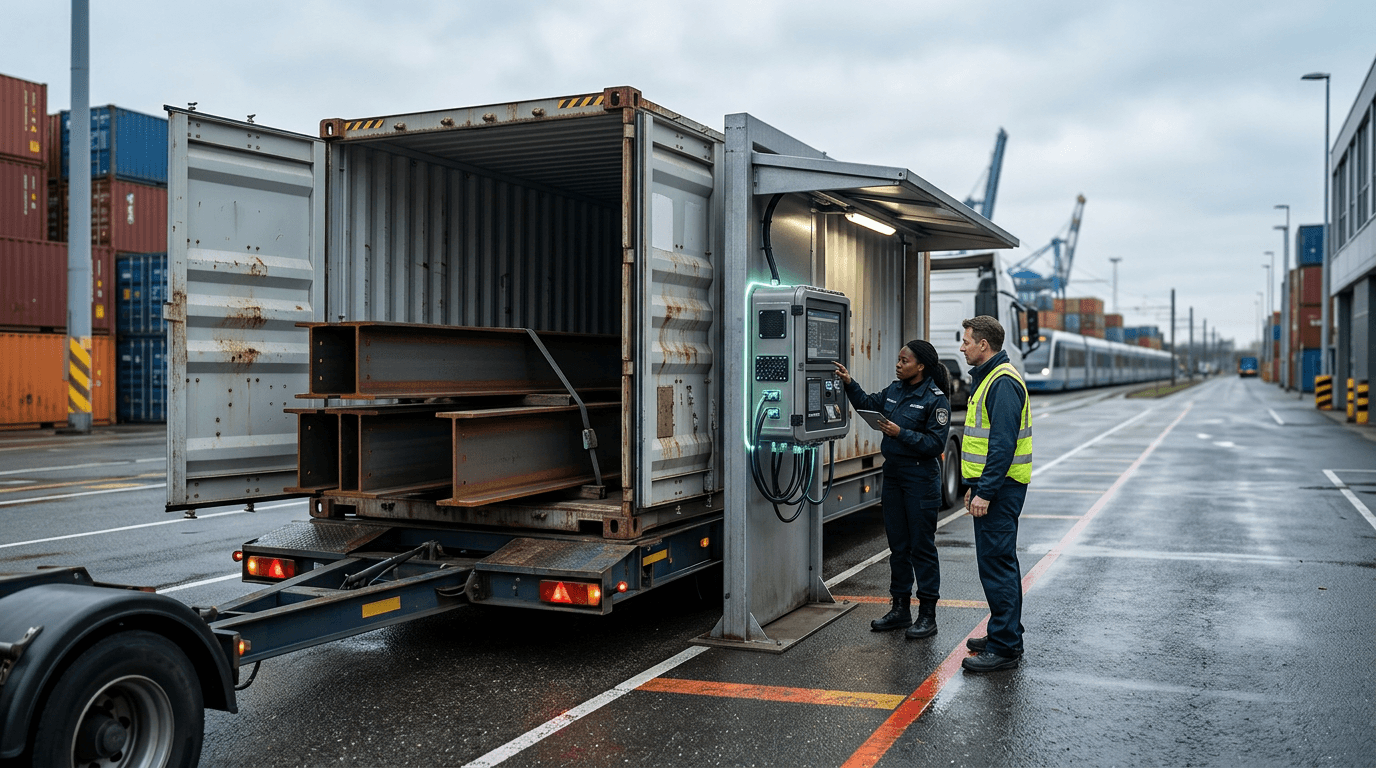
The EU's Carbon Border Adjustment Mechanism (CBAM) entered its definitive phase on January 1, 2026, becoming the world's first operational border carbon adjustment policy. Importers of steel, iron, cement, aluminum, fertilizers, hydrogen, and electricity must purchase certificates based on the embedded CO2 emissions of their products, priced at EU Emissions Trading System (ETS) rates.
CBAM addresses 'carbon leakage' — the risk that EU climate policy drives production to countries with weaker emissions standards. By equalizing the carbon cost between domestic and imported goods, CBAM removes the competitive disadvantage for European producers who pay EU carbon prices while competing against imports from countries without carbon pricing.
The global implications are profound: CBAM creates a financial incentive for every country exporting to the EU to implement its own carbon pricing. Countries like Turkey, India, and Brazil are developing carbon pricing mechanisms partly in response to CBAM — because if they price carbon domestically, their exporters can deduct those costs from CBAM certificates. Europe is using trade policy to export climate regulation worldwide.
Research this in Signals
Signals turns a topic into a sourced research record you can inspect and rerun. Your first scan is free, and this one starts with Carbon Border Adjustment Mechanism already loaded, so edit it or scan as is.