Nanobioremediation
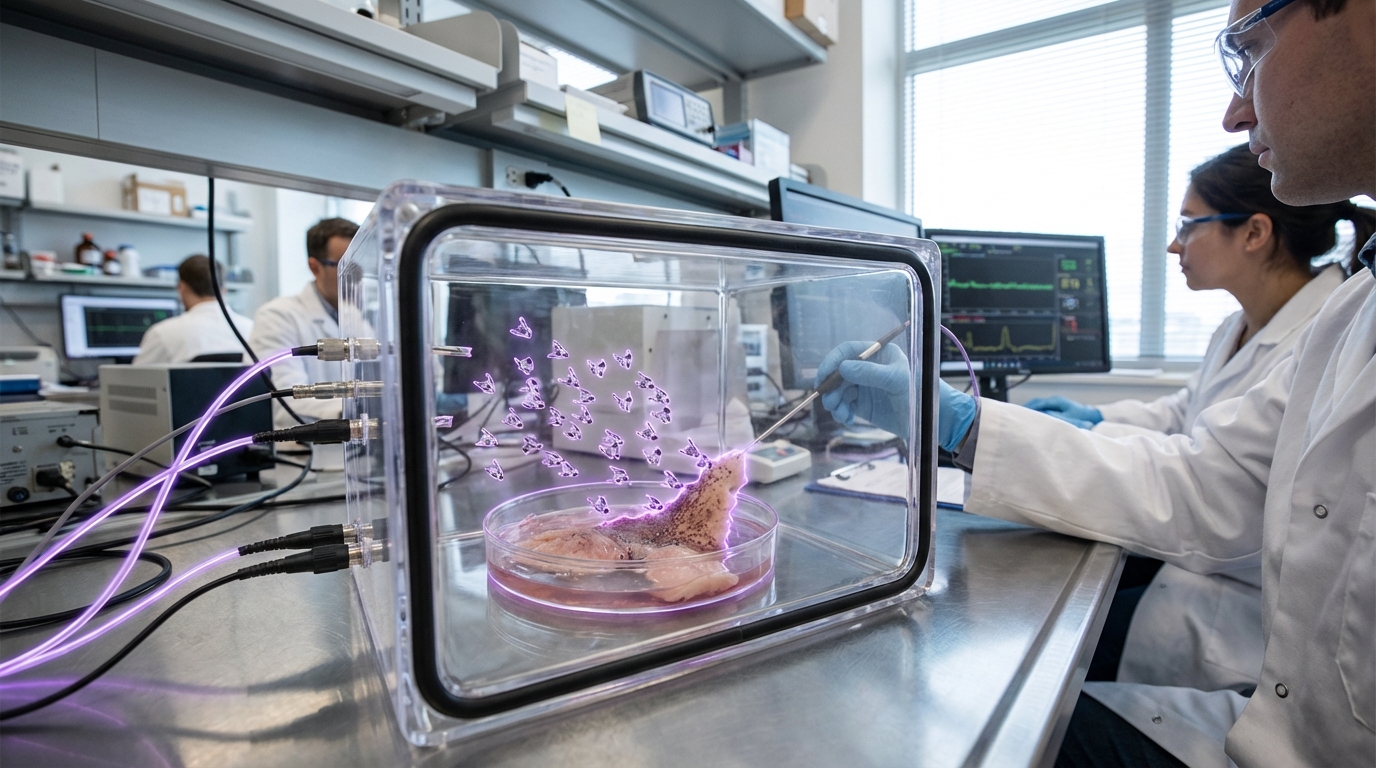
Nanobioremediation combines nanotechnology with biological remediation processes to create highly effective systems for detecting and degrading environmental pollutants. The approach uses engineered nanoparticles—typically 1-100 nanometers in size—that can either directly break down contaminants through catalytic reactions or enhance the effectiveness of biological remediation by providing surfaces for microbial attachment, delivering nutrients, or creating optimal conditions for degradation. These nanoparticles can be functionalized to target specific pollutants and can penetrate areas inaccessible to larger remediation systems.
The technology addresses limitations of traditional bioremediation, which can be slow and limited by environmental conditions, and conventional nanoremediation, which may have toxicity concerns. By combining both approaches, nanobioremediation leverages the specificity and self-replication of biological systems with the reactivity and mobility of nanoparticles. Applications include cleaning up contaminated soil and groundwater, treating industrial wastewater, and removing pollutants from air. Research is exploring various nanoparticle types including iron-based particles for chlorinated compounds, titanium dioxide for organic pollutants, and carbon-based nanomaterials for heavy metals.
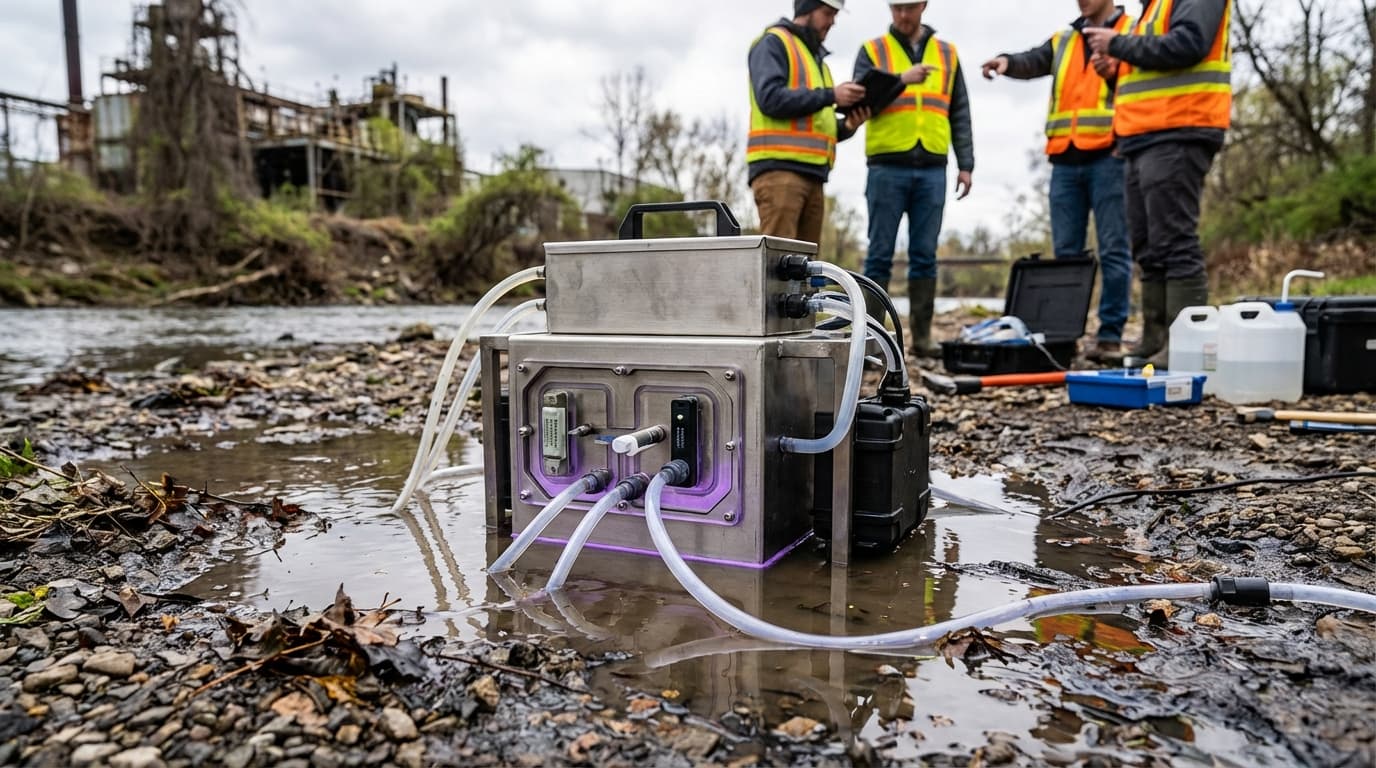
At TRL 6, nanobioremediation is being tested in field trials and pilot projects, with some commercial applications emerging for specific contamination scenarios. The technology faces challenges including potential nanoparticle toxicity, ensuring complete degradation of pollutants, recovery of nanoparticles after use, and regulatory approval for environmental applications. However, as environmental contamination becomes an increasing concern and traditional remediation methods prove insufficient, nanobioremediation offers a promising approach that could clean up legacy pollution sites more effectively and economically. If safety and recovery challenges can be addressed, the technology could become a standard tool for environmental restoration, enabling cleanup of sites previously considered too difficult or expensive to remediate.
Related Organizations
United States · Company
Develops PlumeStop®, a colloidal activated carbon technology (micro/nano-scale) that captures contaminants for biological degradation.
Germany · Company
A specialized remediation company providing 'nanoremediation' services using injected nanoparticles to degrade groundwater toxins.
India · Research Lab
A research institute known for developing 'Oilzapper' bacteria and researching nano-carriers for enhanced bioremediation.
United States · Startup
Uses cyclodextrin polymers (nano-porous materials) to adsorb PFAS, which can then be treated/destroyed.
Germany · Research Lab
A major German research center investigating the fate of nanoparticles in the environment and their use in remediation.

A Ginkgo Bioworks spin-off dedicated to using engineered biology to degrade 'forever chemicals' (PFAS) and other pollutants.

Battelle
United States · Nonprofit
A massive applied science and technology organization developing PFAS Annihilator™ and other advanced remediation tech.
Australia · University
Researchers here developed a polymer made from industrial waste (sulfur/canola oil) that captures mercury pollution.
United States · Company
An engineering firm that designs and implements advanced remediation strategies, including nanobioremediation pilots.