Synthetic Biology for Strategic Materials
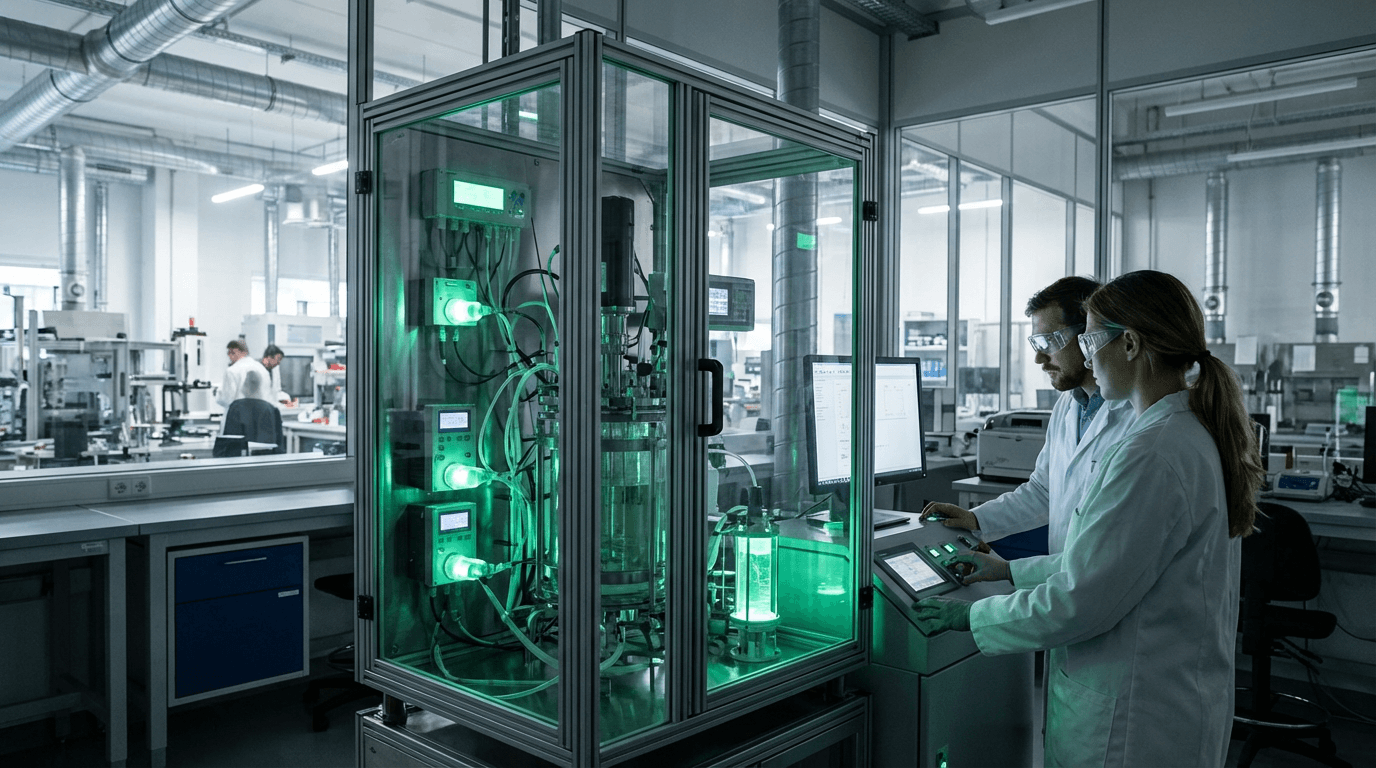
Synthetic biology for strategic materials represents a transformative approach to manufacturing critical compounds through the deliberate engineering of biological systems. At its foundation, this technology involves modifying the genetic code of microorganisms—typically bacteria, yeast, or algae—to produce specific molecules that are traditionally sourced through mining, complex chemical synthesis, or extraction from rare natural sources. Scientists insert custom-designed genetic sequences into these host organisms, essentially programming them to function as living factories that convert simple feedstocks like sugars or carbon dioxide into high-value compounds. The process relies on metabolic engineering, where researchers map and redirect cellular pathways to optimize production yields, and often incorporates CRISPR gene editing tools to achieve precise modifications. These engineered systems can produce everything from pharmaceutical precursors and rare earth element substitutes to advanced polymers and specialty chemicals that underpin modern technology.
The strategic significance of this capability lies in its potential to fundamentally reshape supply chain vulnerabilities that currently affect national security and economic stability. Many nations depend on geographically concentrated sources for critical materials—whether rare earth elements essential for electronics and defense systems, pharmaceutical ingredients predominantly manufactured in specific regions, or specialty chemicals required for semiconductor production. Synthetic biology offers a pathway to production independence by enabling domestic manufacturing of these materials using renewable feedstocks and standardized bioprocessing infrastructure. This approach addresses not only geopolitical supply risks but also the environmental and ethical concerns associated with traditional extraction methods, which often involve environmentally destructive mining operations or reliance on petroleum-based chemical synthesis. Furthermore, biological production systems can be rapidly reprogrammed to respond to emerging needs, providing strategic flexibility that conventional manufacturing cannot match.
Research institutions and government agencies have increasingly recognized the strategic value of this technology, with early deployments focusing on high-value compounds where biological production offers clear advantages. Pharmaceutical applications have seen notable progress, with engineered microbes now producing artemisinin precursors for antimalarial drugs and various therapeutic proteins that previously required complex extraction processes. In the materials sector, pilot programs are exploring biological routes to produce everything from spider silk proteins for advanced textiles to bio-based alternatives for petroleum-derived plastics and fuels. Defense and technology sectors are particularly interested in biological production of rare compounds needed for electronics, sensors, and specialized equipment. As synthetic biology tools become more sophisticated and production costs decline, this technology is positioned to play an increasingly central role in efforts to build resilient, domestically-controlled supply chains for materials deemed critical to national interests, economic competitiveness, and technological sovereignty.
Related Organizations

Runs the Semantic Forensics (SemaFor) program to develop technologies for automatically detecting, attributing, and characterizing falsified media.

A horizontal platform for cell programming that enables other companies to develop precision fermentation strains.

Produces essential chemicals using enzymes and metal catalysts (Bioforge), decoupling production from fossil fuels.

Bio-engineers yeast to produce active pharmaceutical ingredients (APIs) and key starting materials essential for national health security.

Synthetic biology company engineering microbes and algae to convert CO2 into feedstock for sustainable aviation fuel and other industrial chemicals.

Recycles carbon from industrial off-gases into sustainable fuels and chemicals using biological catalysts.

Conducts extensive research on living materials, including fungal mycelium for sensing and responsive surfaces.

Uses microalgae to produce unique oils and materials for performance skis and outdoor gear, replacing petroleum-based polyurethanes.

Specializes in the biomanufacturing of complex natural products for flavors, fragrances, and agricultural chemicals.
Supporting Evidence
Research this in Signals
Signals turns a topic into a sourced research record you can inspect and rerun. Your first scan is free, and this one starts with Synthetic Biology for Strategic Materials already loaded, so edit it or scan as is.