Neurotechnology Governance
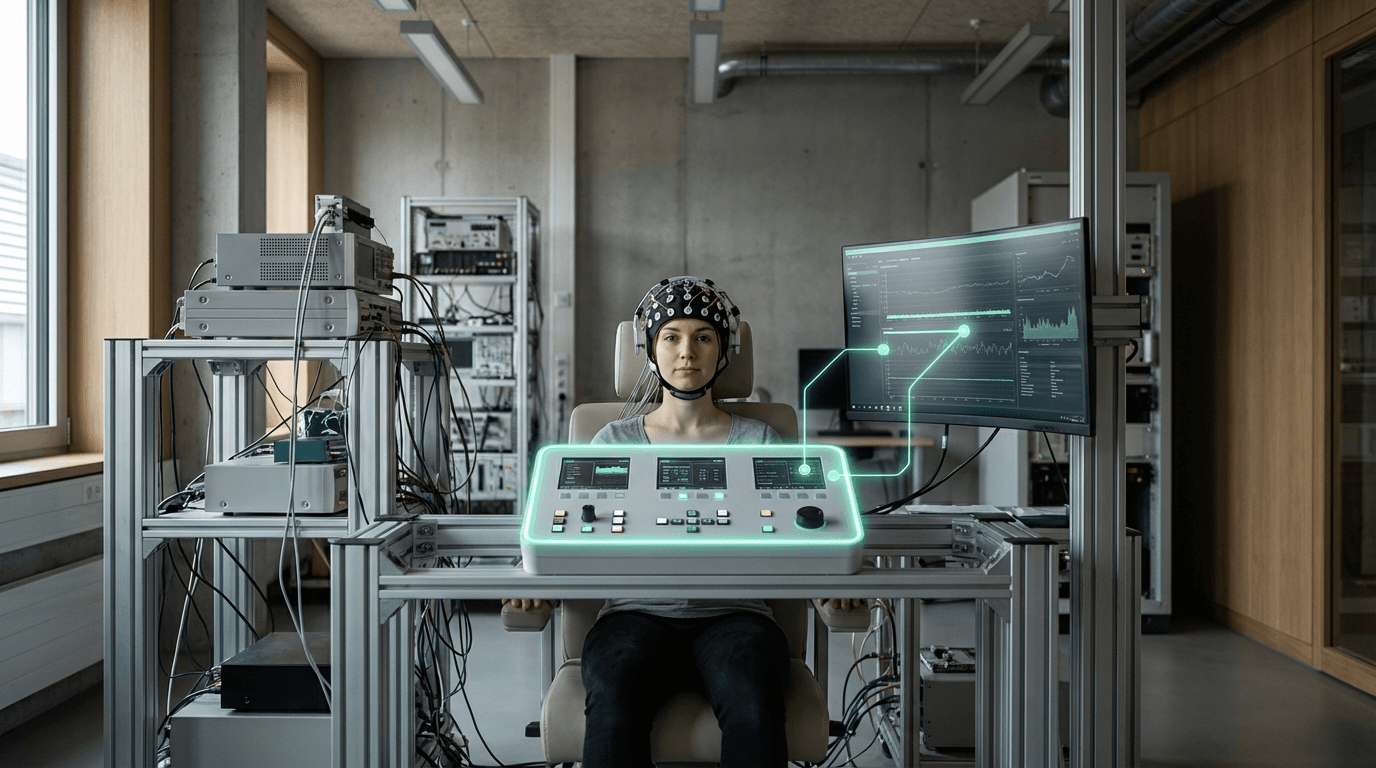
Neurotechnology governance encompasses the regulatory frameworks, ethical guidelines, and oversight mechanisms designed to manage the development and deployment of technologies that interact directly with the human nervous system. These technologies include brain-computer interfaces (BCIs), neural implants, and non-invasive devices capable of reading, interpreting, or modulating neural activity. At its core, this governance challenge stems from the unprecedented nature of technologies that can access the most intimate aspects of human cognition—our thoughts, emotions, and intentions. The technical mechanisms being governed range from invasive electrode arrays that record individual neuron firing patterns to external devices using electroencephalography (EEG) or functional magnetic resonance imaging (fMRI) to decode brain states. As these technologies advance beyond medical applications into consumer markets and military contexts, the need for robust governance structures becomes increasingly urgent to prevent misuse while enabling beneficial innovation.
The fundamental challenge neurotechnology governance addresses is the absence of established legal and ethical frameworks for technologies that blur the boundaries between mind and machine. Traditional privacy laws were not designed to protect neural data—information that could potentially reveal not just what someone does, but what they think, feel, or intend to do. This creates profound risks in contexts where power asymmetries exist, such as employment screening, criminal justice, or authoritarian surveillance systems. Research suggests particular concern around cognitive enhancement technologies that could exacerbate existing social inequalities if access remains limited to wealthy individuals or nations. Military applications present another critical governance challenge, as neural interfaces could theoretically be weaponized for interrogation, coercion, or remote control of combatants. Industry analysts note that without proactive governance, the same technologies designed to restore mobility to paralyzed patients or treat neurological disorders could be repurposed for invasive surveillance or manipulation of political dissidents.
Current governance efforts remain fragmented across jurisdictions, with some nations beginning to recognize "neurorights" as fundamental human rights requiring constitutional protection, while others lack any specific regulations for neural technologies. International bodies have initiated discussions on establishing common standards for neural data protection, informed consent protocols for brain interventions, and restrictions on dual-use applications that could serve both therapeutic and coercive purposes. Early frameworks emphasize principles such as mental privacy, cognitive liberty, and psychological continuity—the right to maintain one's sense of self without external interference. As neurotechnology capabilities expand and become more accessible, governance structures will need to balance innovation incentives with safeguards against cognitive manipulation, ensuring that advances in understanding and interfacing with the brain serve to enhance human flourishing rather than enable new forms of control or discrimination in an increasingly interconnected global landscape.
Related Organizations

Advocacy group led by Rafael Yuste promoting the five ethical neurorights in international law.
OECD
France · Government Agency
Adopted the 'Recommendation on Responsible Innovation in Neurotechnology' to guide governments and companies.

A professional society promoting the development and responsible application of neuroscience.

The UN agency responsible for the 'Recommendation on the Ethics of Artificial Intelligence'.

Produces 'Ethically Aligned Design' standards, addressing the legal and ethical implications of autonomous systems.

An NSF Engineering Research Center that integrates ethics into the design of neural engineering devices.

The UK's independent regulator for data rights, providing specific guidance on AI and data protection.

Neurotechnology company developing implantable brain-machine interfaces.

Developed the Stentrode, an endovascular brain interface implanted via the jugular vein without open brain surgery.

Manufacturer of the Utah Array, the gold-standard electrode system used in the majority of human BCI research.
Supporting Evidence
Research this in Signals
Signals turns a topic into a sourced research record you can inspect and rerun. Your first scan is free, and this one starts with Neurotechnology Governance already loaded, so edit it or scan as is.