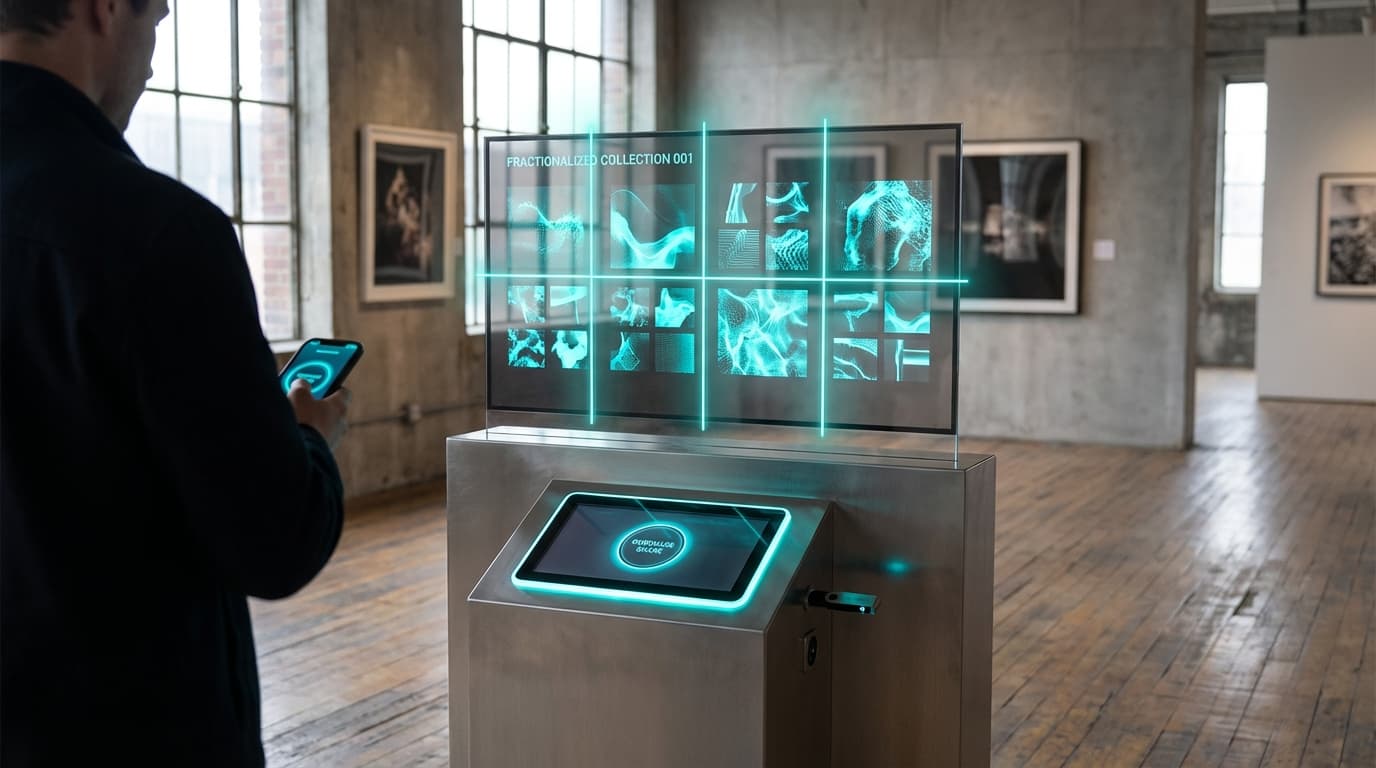
NFT Fractionalization
NFT fractionalization platforms are protocols that split non-fungible tokens (NFTs, unique digital assets like digital art or collectibles) into multiple fungible shares (tokens that are identical and interchangeable), enabling multiple people to own a fraction of an NFT. These fractionalization stacks lock the original NFT in escrow (secure storage) and issue ERC-20 style shards (standardized tokens representing ownership shares) that grant co-ownership (shared ownership), liquidity (ability to trade shares easily), and governance rights (voting on decisions about the asset), enabling collective investment in art, in-game assets (items in video games), or real-world assets (RWAs) with built-in buyout mechanisms (ways for someone to buy all shares and take full ownership), making expensive NFTs accessible to more people and creating liquid markets for previously illiquid assets.
This innovation addresses the illiquidity and high cost of NFTs, where many valuable NFTs are too expensive for most people to own. By fractionalizing NFTs, these platforms can make ownership more accessible. NFT platforms and DeFi protocols are developing these capabilities.
The technology is particularly significant for making NFTs more accessible and liquid, where fractionalization can unlock value. As NFTs expand, fractionalization becomes increasingly important. However, ensuring legal compliance, managing governance, and maintaining asset backing remain challenges. The technology represents an important evolution in NFT markets, but requires continued development to address legal and technical challenges. Success could make NFTs more accessible, but the technology must overcome regulatory and technical hurdles. NFT fractionalization is an active area of innovation.
Related Organizations
A platform for creating liquid markets for illiquid Non-Fungible Tokens (NFTs).

A liquidity solution for NFTs that fragments NFTs into micro-tokens (µTokens).
Unicly
Open Source
A protocol to combine, fractionalize, and trade NFT collections.
Bridgesplit
United States · Startup
Infrastructure for NFT financialization on Solana.

A decentralized protocol that brings physical assets on-chain as NFTs.

Supporting Evidence
Research this in Signals
Signals turns a topic into a sourced research record you can inspect and rerun. Your first scan is free, and this one starts with NFT Fractionalization already loaded, so edit it or scan as is.