






Prediction Markets
This page is a narrower case of it.
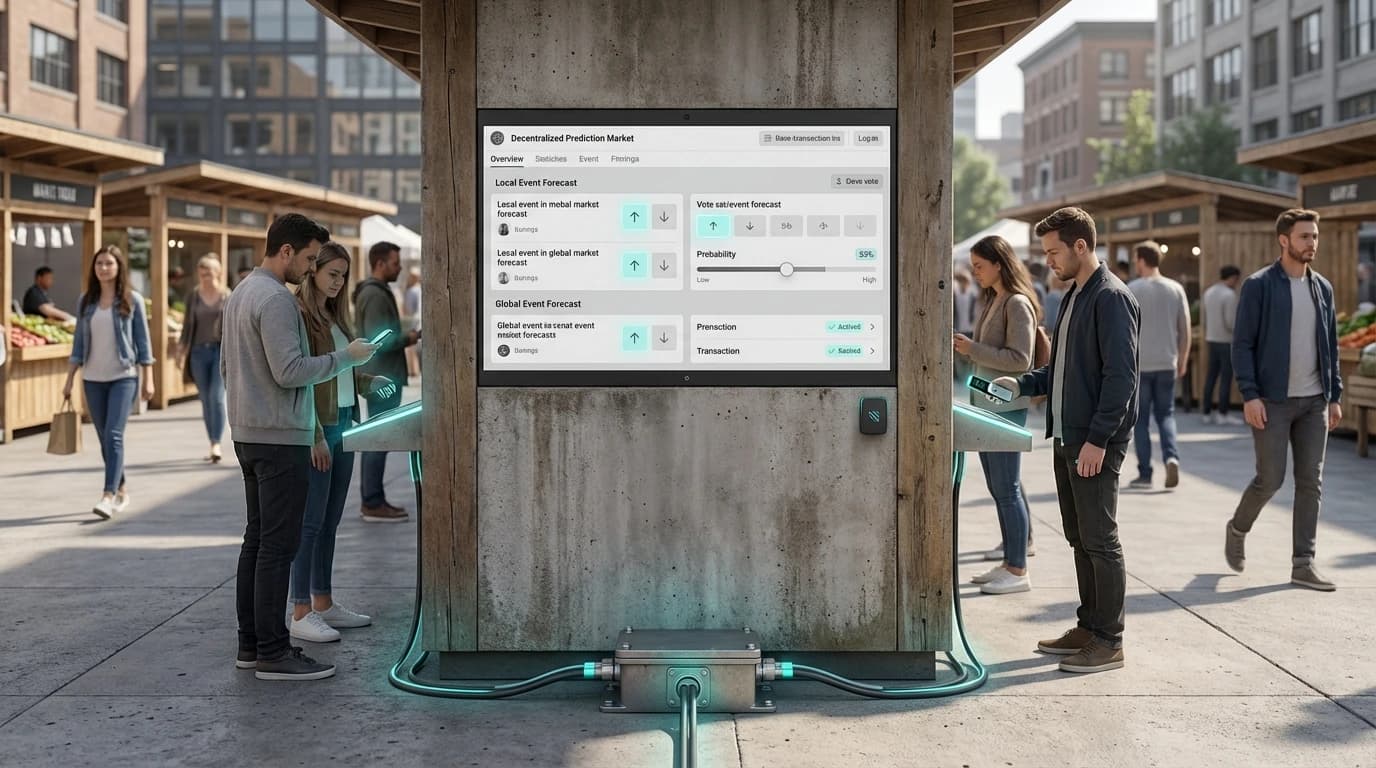
Prediction market protocols are decentralized platforms that host permissionless markets where users can bet on the outcomes of future events (like geopolitical outcomes, sports results, or protocol metrics) by buying and selling shares that pay out based on outcomes, crowdsourcing probabilistic forecasts from market participants who have financial incentives to be accurate. Platforms like Polymarket and UMA enable these markets, creating aggregated predictions that can feed into treasury management (informing investment decisions), insurance (pricing risk), and governance decisions (informing protocol changes), leveraging the wisdom of crowds to generate accurate forecasts about uncertain future events through market mechanisms that reward accurate predictions.
This innovation addresses the need for accurate forecasts about uncertain events, where aggregated market predictions can be more accurate than individual experts. By creating financial incentives for accuracy, these markets generate valuable information. Companies and protocols are developing these platforms.
The technology is particularly significant for generating aggregated forecasts, where prediction markets can provide valuable information. As these markets expand, they could inform many decisions. However, ensuring liquidity, managing regulatory concerns, and preventing manipulation remain challenges. The technology represents an interesting approach to forecasting, but requires continued development to achieve widespread use. Success could enable new forms of information aggregation, but the technology must overcome regulatory and liquidity challenges. Prediction markets face regulatory challenges in many jurisdictions, limiting their adoption.
A decentralized information markets platform where users trade on the world's most highly-debated topics.
Builds infrastructure for the decentralized web, including Gnosis Safe.
MetaDAO
Open Source
A DAO operating entirely on Futarchy principles using Solana-based prediction markets.
A decentralized autonomous organization building the base layer for on-chain betting and prediction markets.
A decentralized oracle and peer-to-peer prediction market protocol built on the Ethereum blockchain.
A prediction market protocol built on Polkadot, focusing on governance and futarchy.
A play-money prediction market platform that allows anyone to create a market on any topic.
Prime contractor for the TeQuantS project and a key partner in ESA's quantum satellite initiatives.

Kalshi
United States · Startup
A federally regulated exchange dedicated to trading on event outcomes.
Published forecasts about this technology, graded against what happened in Hindsight.
Prediction Markets
This page is a narrower case of it.
Signals turns a topic into a sourced research record you can inspect and rerun. Your first scan is free, and this one starts with Prediction Market Protocols already loaded, so edit it or scan as is.