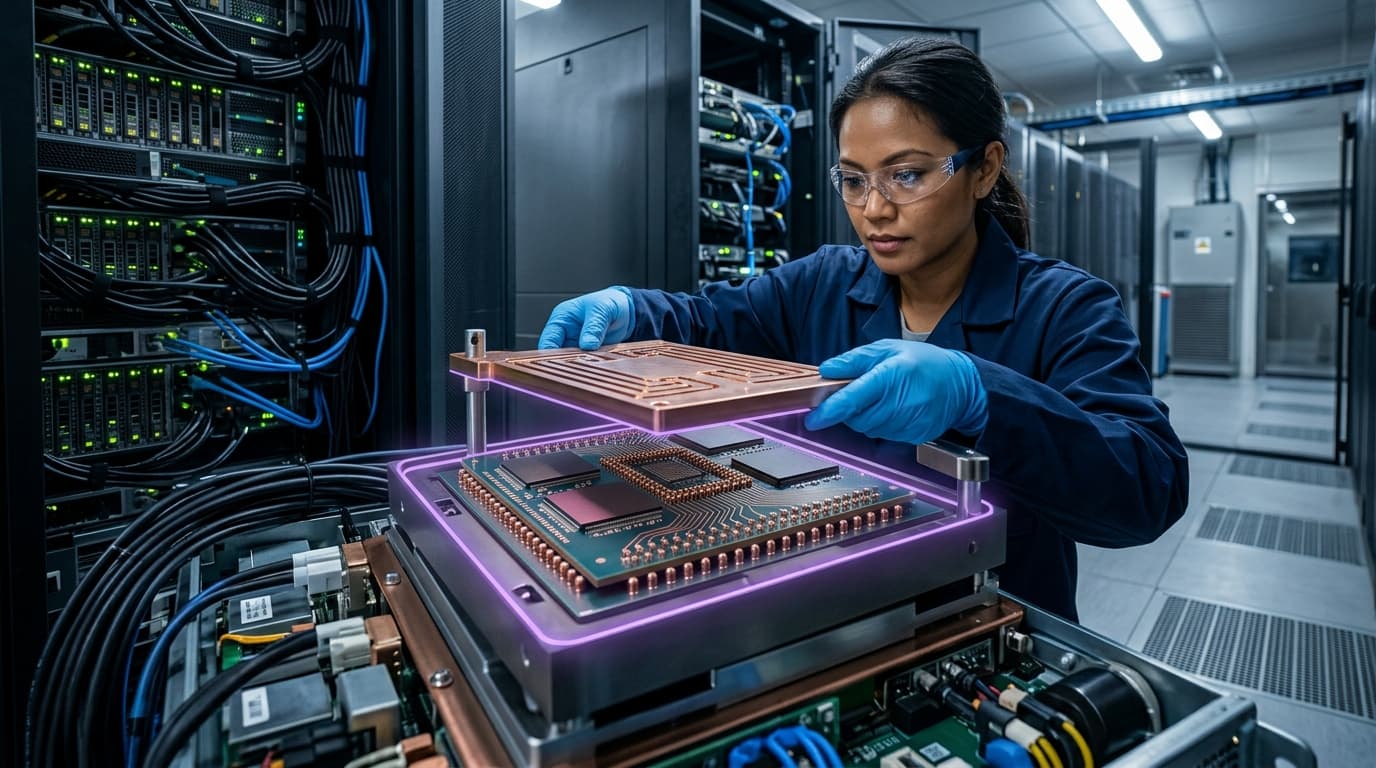
Thermal Copper Pillar Bump
Thermal copper pillar bump (Cu pillar) technology extends copper pillar interconnect packaging—used for die-to-substrate connection—with enhanced thermal management. Copper pillars provide electrical connection and thermal paths; thermal variants optimize heat extraction for high-power devices. Working prototypes exist in discrete devices; applications include electric circuit cooling, microfluidic actuators, and thermoelectric power generation where thermal gradient management is critical. The technology addresses the challenge of removing heat from increasingly dense electronic packages.
Advanced packaging faces thermal limits: power density rises while form factors shrink. Thermal copper pillars offer improved heat spreading and conduction compared to conventional solder bumps. Challenges include manufacturing cost, reliability under thermal cycling, and integration with heterogeneous packages. Research continues into higher thermal conductivity materials and integration with liquid cooling or thermoelectric harvesters. The technology is relevant for high-power computing, power electronics, and compact thermal management.
Research this in Signals
Signals turns a topic into a sourced research record you can inspect and rerun. Your first scan is free, and this one starts with Thermal Copper Pillar Bump already loaded, so edit it or scan as is.