Next-Generation High-Entropy Materials
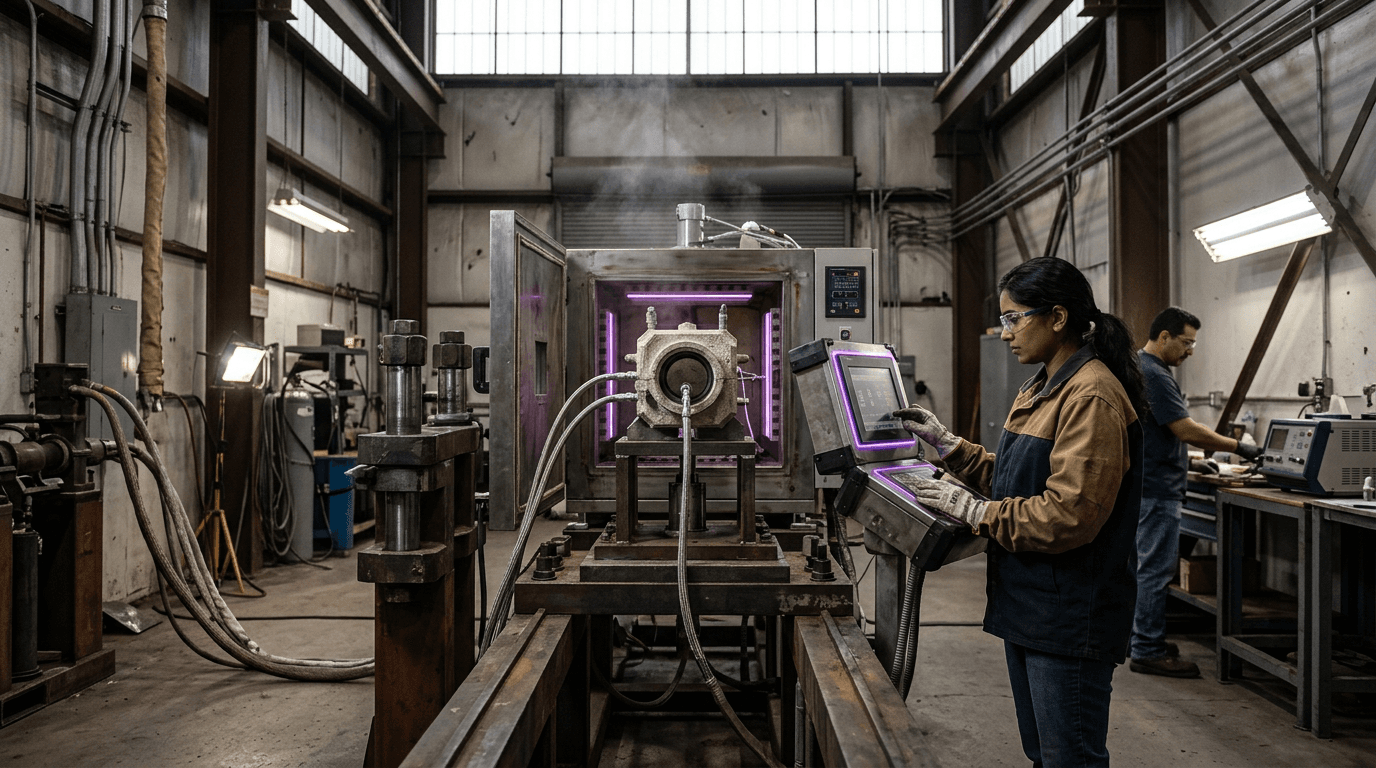
High-entropy materials are solids—alloys, ceramics, or mixed compounds—that incorporate several principal elements in significant proportions, rather than one or two dominant elements with trace dopants. The resulting configurational entropy can stabilise single-phase structures and yield unusual combinations of properties: high strength and toughness, corrosion resistance, tailored thermal or electrical behaviour, and catalytic activity. High-entropy alloys (HEAs) have been the most studied; high-entropy oxides, nitrides, and other ceramics are expanding the space. Discovery is increasingly guided by computational screening and machine learning to explore vast composition spaces and predict phase stability and properties.
The technology addresses the need for materials that perform under demanding conditions—e.g. extreme temperature, corrosion, or wear—or that combine multiple functions. Applications are emerging in aerospace, energy (e.g. thermoelectrics, catalysts, coatings), and electronics. Because the design space is large, there is scope for tailoring compositions for specific applications. Synthesis and processing routes (e.g. additive manufacturing, coatings) are under development to produce high-entropy materials at useful scales.
Challenges include cost and availability of raw materials, reproducibility, and prediction of long-term stability. As databases and models improve, next-generation high-entropy materials are likely to find broader use in structural, functional, and catalytic applications, often in niche high-performance roles before potential commoditisation.
Research this in Signals
Signals turns a topic into a sourced research record you can inspect and rerun. Your first scan is free, and this one starts with Next-Generation High-Entropy Materials already loaded, so edit it or scan as is.