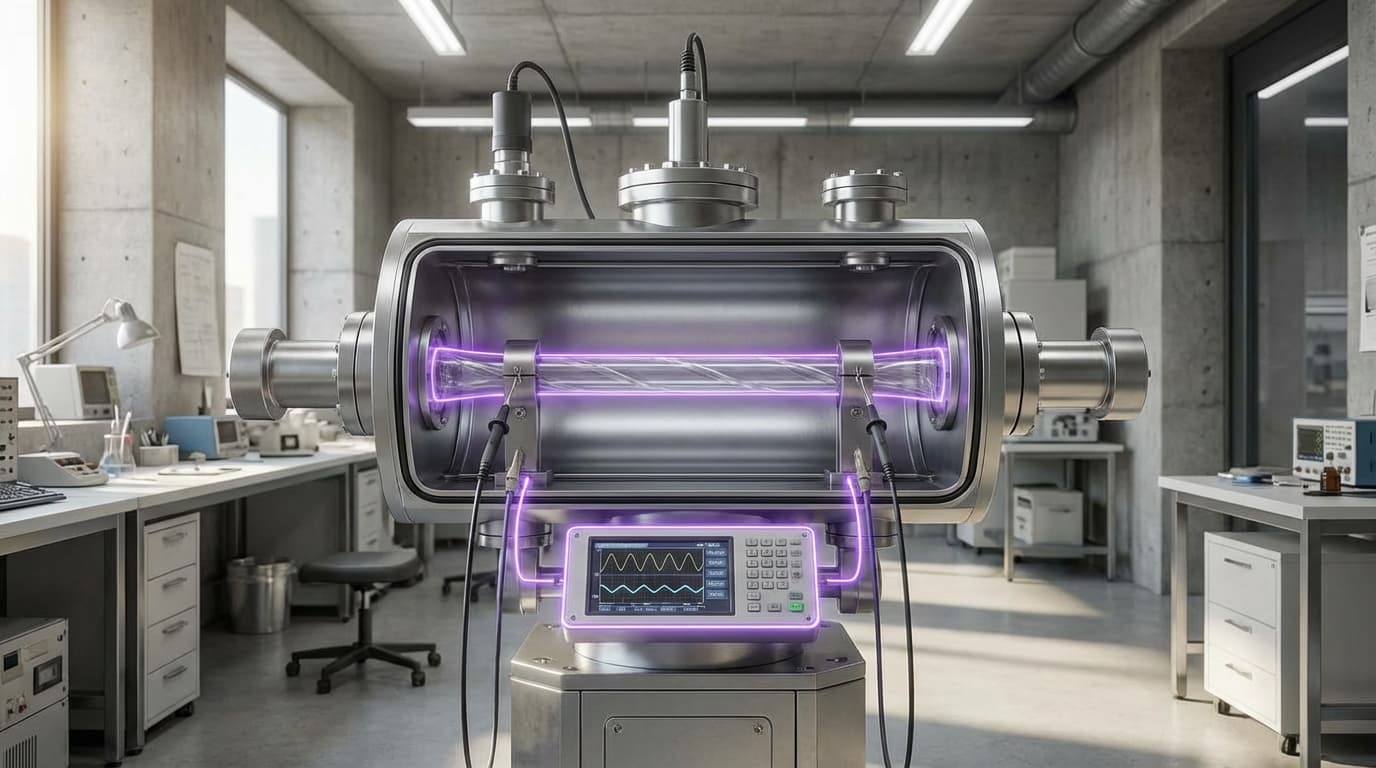
Carbyne
Carbyne is a one-dimensional carbon allotrope consisting of a linear chain of carbon atoms connected by alternating single and triple bonds (or double bonds in some configurations). Theoretical calculations suggest it could be the strongest material known, with a tensile strength potentially three times that of diamond and nearly twice that of carbon nanotubes. The material also exhibits exceptional electrical and thermal conductivity, making it potentially valuable for a wide range of applications from ultra-strong composites to high-performance electronics.
The material's extreme properties stem from its perfect one-dimensional structure and the strength of carbon-carbon bonds when arranged in a linear chain. Carbyne could enable revolutionary applications including ultra-lightweight structural materials for aerospace, high-strength cables, advanced electronics, and energy storage systems. However, the material is extremely difficult to synthesize and stabilize, as the linear carbon chains are highly reactive and tend to cross-link or break under most conditions.
At TRL 3, carbyne has been synthesized in very short chains under carefully controlled conditions, but producing stable, long chains remains a major challenge. Research is exploring various synthesis methods including chemical synthesis, laser ablation, and confinement within carbon nanotubes to stabilize the chains. The technology faces fundamental challenges including synthesis scalability, stability under normal conditions, integration into practical materials, and understanding how the material's properties scale with chain length. However, if these challenges can be overcome, carbyne could enable materials with unprecedented strength-to-weight ratios and electrical properties, potentially transforming industries from aerospace to electronics. The material represents one of the ultimate goals of materials science: creating structures that approach theoretical limits of material properties.
Research this in Signals
Signals turns a topic into a sourced research record you can inspect and rerun. Your first scan is free, and this one starts with Carbyne already loaded, so edit it or scan as is.