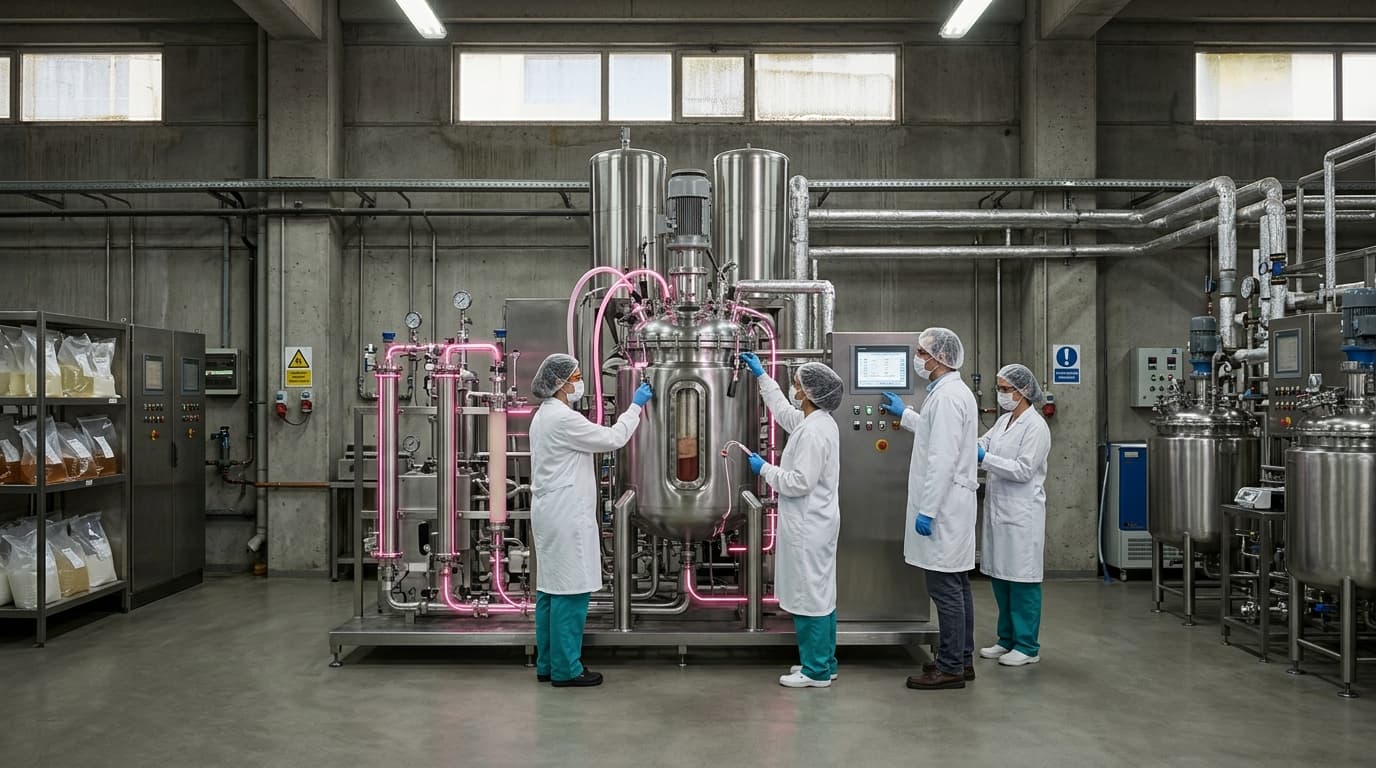
Biosimilar & Pharmaceutical Manufacturing
Geography: Emea · Middle East · Turkey
Turkey has rapidly expanded its pharmaceutical manufacturing infrastructure to 109 production facilities (including radiopharmaceutical plants), with 820+ companies operating across the sector. The government actively promotes localization of biosimilar, vaccine, and high-value medicine production. Sinovac chose Turkey for its first overseas jointly-invested vaccine production plant, bringing mRNA technology and manufacturing expertise. Domestic companies are developing biosimilars, diagnostics, and contract research and manufacturing capabilities.
The strategic driver is reducing Turkey's pharmaceutical trade deficit — the country spends billions annually importing medicines, particularly biologics and advanced therapeutics. By building indigenous biosimilar production capability, Turkey can substitute expensive imported biologics with locally manufactured equivalents at lower cost, improving healthcare access for its 85-million population. The regulatory framework (TITCK) has been modernized to support local manufacturing through procurement preferences and fast-track approvals for domestically produced medicines.
Turkey's pharmaceutical ambitions extend to becoming a regional manufacturing hub serving the Middle East, Central Asia, and Africa — markets with growing healthcare demand but limited pharmaceutical manufacturing infrastructure. The combination of an educated workforce (Turkey produces more pharmacy graduates than most European countries), competitive manufacturing costs, and strategic geographic position creates potential for Turkey to become a 'pharma bridge' between European pharmaceutical technology and developing-world demand.
Research this in Signals
Signals turns a topic into a sourced research record you can inspect and rerun. Your first scan is free, and this one starts with Biosimilar & Pharmaceutical Manufacturing already loaded, so edit it or scan as is.