Targeted Protein Degradation
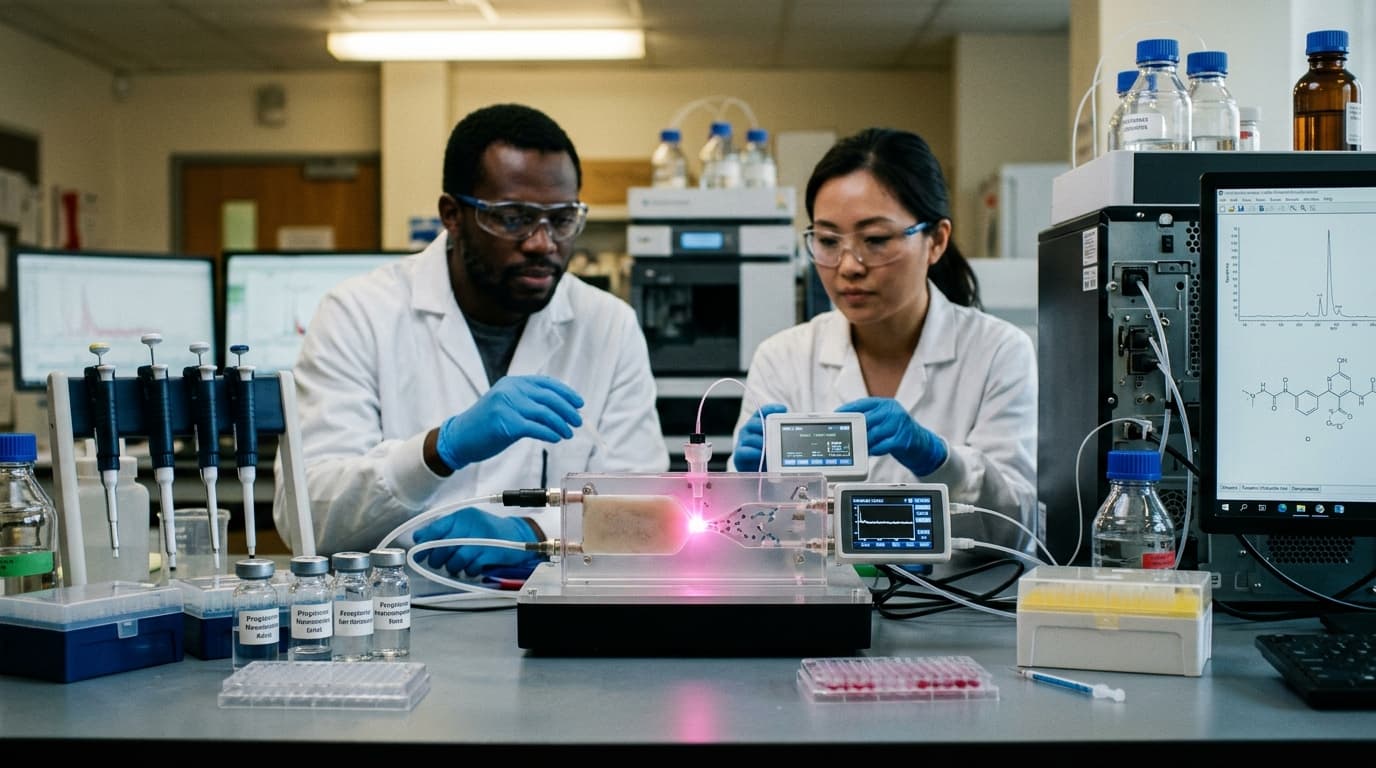
Targeted protein degradation uses small molecules to direct specific proteins to the cell’s degradation machinery (e.g. the ubiquitin–proteasome system), resulting in their removal rather than simple inhibition. PROTACs (proteolysis-targeting chimeras) are bifunctional molecules that bind both the target protein and an E3 ubiquitin ligase, bringing them together so the target is ubiquitinated and degraded. Molecular glues achieve similar outcomes by stabilising interactions between a ligase and a neosubstrate. Because degradation does not require a druggable pocket with high-affinity inhibition, the approach can target proteins previously considered undruggable, including many transcription factors and scaffolding proteins. Applications are most advanced in oncology; programmes are underway in neurodegeneration, inflammation, and other areas.
The technology addresses the limitation of traditional small-molecule drugs: they typically require an accessible binding site and block function while the drug is present. Degraders remove the protein entirely, can act catalytically, and may overcome resistance that arises from target overexpression or mutation. Several degraders are in clinical trials; proof of concept in humans has been demonstrated. Challenges include oral bioavailability, tissue distribution, and avoiding degradation of off-target proteins; design tools and screening methods are improving.
If safety and efficacy are confirmed in broader indications, targeted protein degradation could become a major modality in drug discovery, expanding the set of disease-relevant targets that can be therapeutically modulated. It exemplifies the trend toward proximity-based and mechanism-driven pharmacology.
Research this in Signals
Signals turns a topic into a sourced research record you can inspect and rerun. Your first scan is free, and this one starts with Targeted Protein Degradation already loaded, so edit it or scan as is.