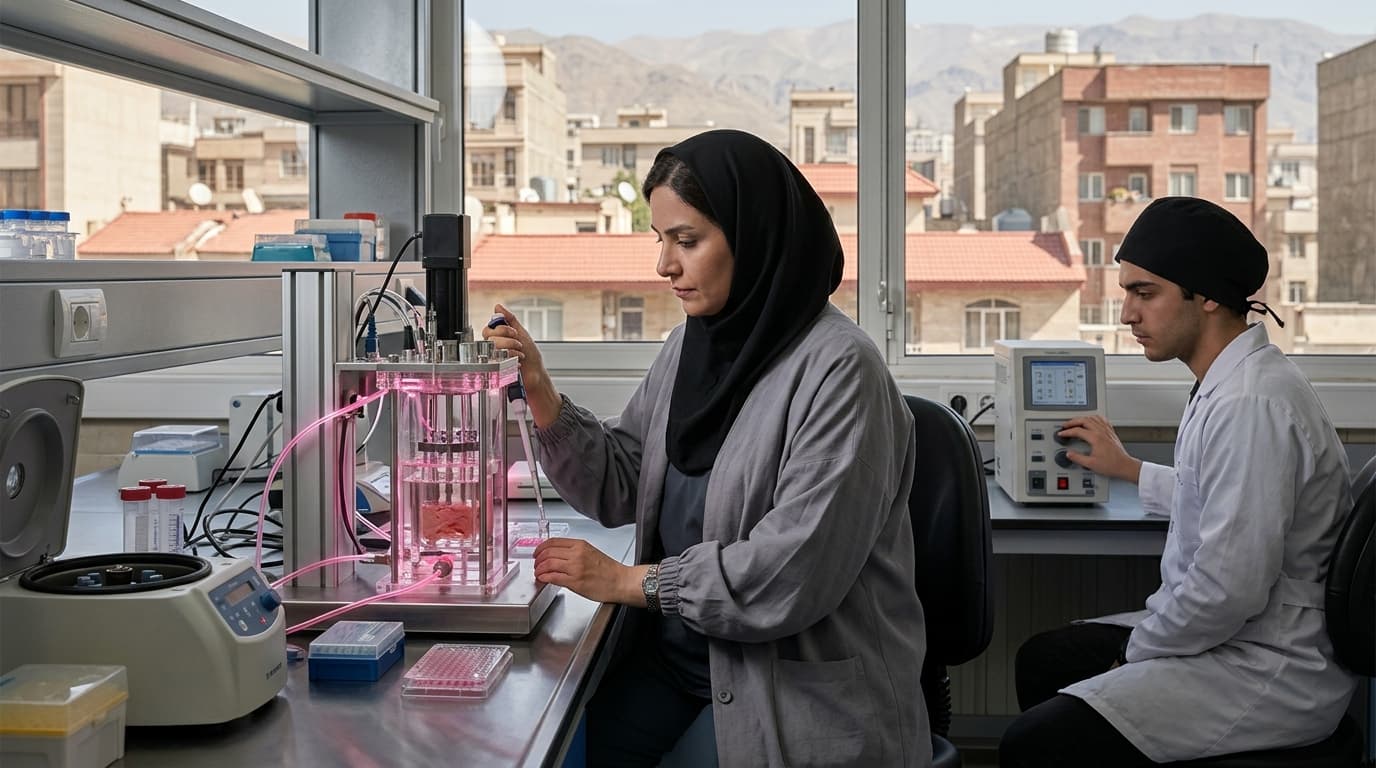
Stem Cell and Regenerative Medicine Research
Geography: Emea · Middle East · Iran
Iran's stem cell research program, led by the Royan Institute under Dr. Hossein Baharvand, has achieved milestones including the first generation of mouse and human embryonic stem cells (2003) and induced pluripotent stem cells (2008) in the country. The Royan Institute holds the highest citation-per-paper rate among Iranian research institutes at 13 citations per paper, and has expanded from reproductive medicine into cell therapy and regenerative medicine clinical services. Iran conducts clinical trials in stem cell treatments for spinal cord injury, corneal repair, heart disease, and diabetes.
Iran benefits from a distinctive regulatory environment for stem cell research. Unlike many Western countries where embryonic stem cell research faces political and ethical restrictions, Iran's religious authorities have generally supported the work, with fatwas permitting therapeutic cloning and embryonic stem cell research. This regulatory permissiveness — combined with a large population providing clinical study participants and a strong biomedical research infrastructure — has allowed rapid progress.
The strategic significance is both scientific and economic. Stem cell therapy and regenerative medicine represent a multi-billion-dollar global market that is still in its early stages. Early mastery of cell therapy techniques, combined with lower costs, could position Iran as a medical tourism destination and technology exporter in this field. Several Iranian stem cell products are in clinical trials for wound healing, orthopedic applications, and ophthalmic conditions, with potential for regional export.
Research this in Signals
Signals turns a topic into a sourced research record you can inspect and rerun. Your first scan is free, and this one starts with Stem Cell and Regenerative Medicine Research already loaded, so edit it or scan as is.