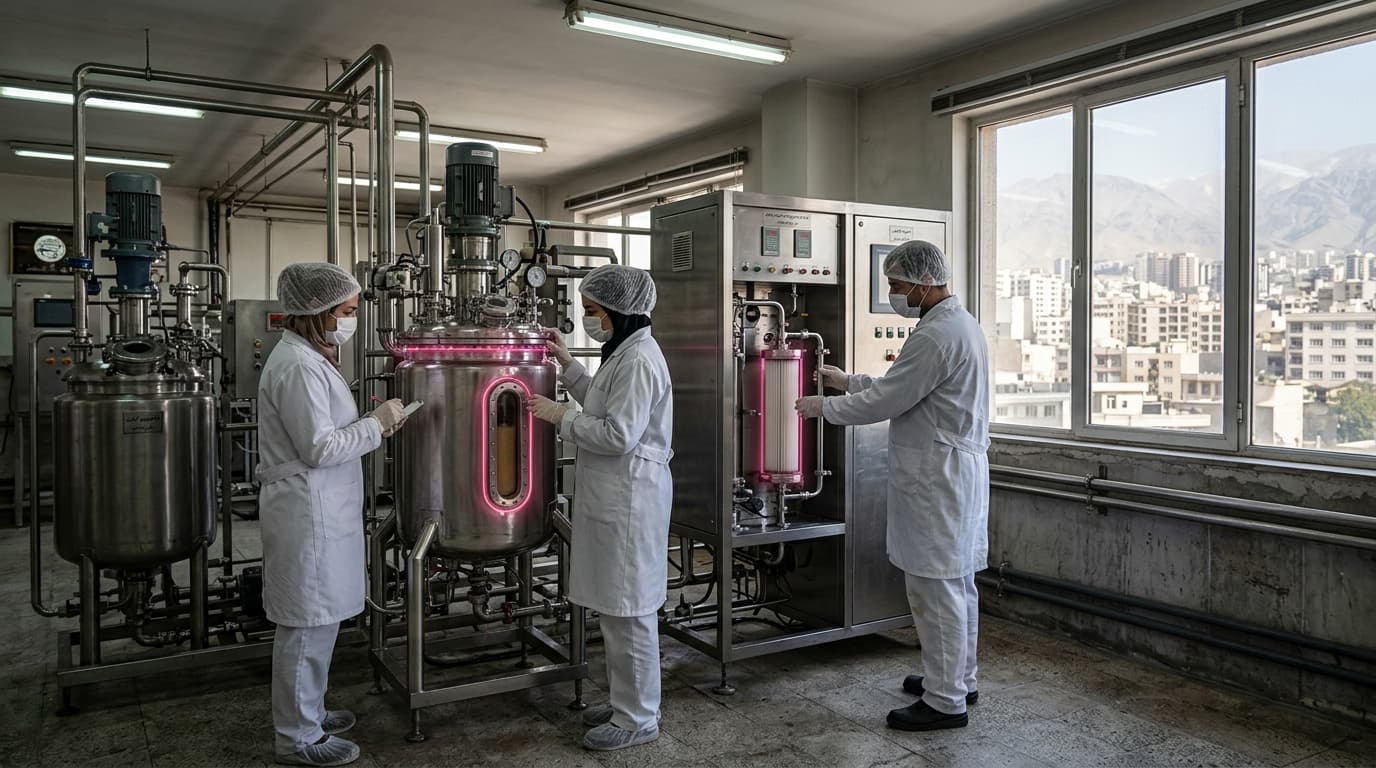
Domestic Vaccine Development and Production
Geography: Emea · Middle East · Iran
Iran developed and deployed multiple COVID-19 vaccines domestically after being largely unable to access international supplies through COVAX or bilateral purchases due to sanctions-related banking restrictions. The COVIran Barekat (inactivated virus platform), PastoCovac (recombinant protein), and Razi Cov Pars (recombinant protein with intranasal option) vaccines were developed by the Barakat Foundation, Pasteur Institute of Iran, and Razi Vaccine and Serum Research Institute respectively. Iran also has established production lines for childhood vaccines, influenza, and other standard immunizations.
The COVID-19 vaccine development demonstrated both capability and limitation. Iran produced working vaccines relatively quickly using established platforms (inactivated virus, recombinant protein) but did not develop mRNA vaccines — the most advanced platform — due to technology and supply chain constraints. The vaccines were administered to millions of Iranians and some were shared with neighboring countries, but efficacy data from international-standard clinical trials was limited, making regulatory recognition outside Iran difficult.
The broader significance lies in biological preparedness: Iran's ability to rapidly develop and mass-produce vaccines domestically provides resilience against future pandemics and biological threats, independent of international supply chains. The vaccine infrastructure — BSL-3 laboratories, cell culture facilities, fill-finish lines, cold chain logistics — also supports the broader biopharmaceutical industry. The experience exposed both the strengths (speed, self-sufficiency) and limitations (technology access, regulatory recognition) of innovation under isolation.
Research this in Signals
Signals turns a topic into a sourced research record you can inspect and rerun. Your first scan is free, and this one starts with Domestic Vaccine Development and Production already loaded, so edit it or scan as is.