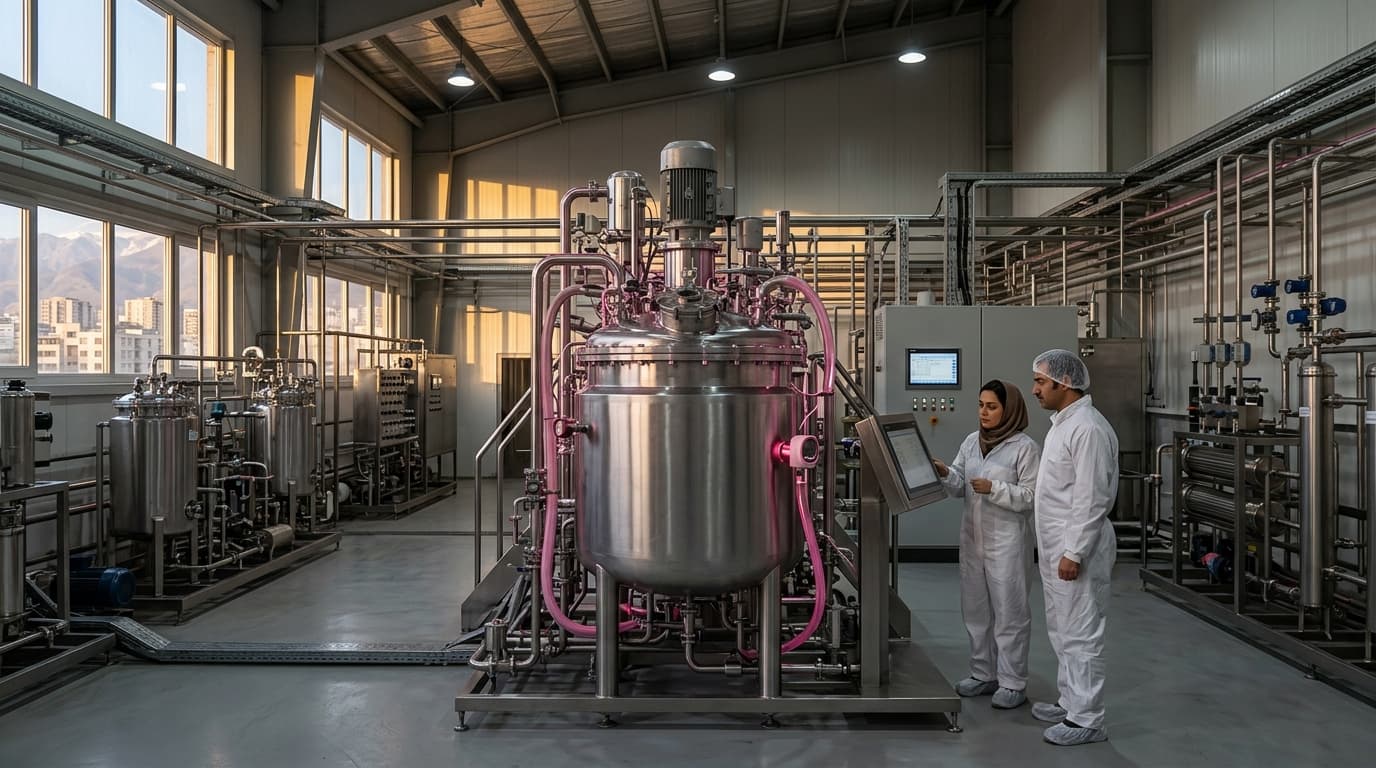
Biosimilar and Biopharmaceutical Production
Geography: Emea · Middle East · Iran
Iran's pharmaceutical industry produces over 95% of domestic medicine demand, a level of self-sufficiency achieved through decades of deliberate import substitution accelerated by sanctions. The industry's most advanced segment is biosimilar production — manufacturing near-identical copies of complex biological drugs including monoclonal antibodies (rituximab, trastuzumab, bevacizumab), interferons, erythropoietin, and insulin. Approximately 60 Iranian companies produce biopharmaceuticals, with the domestic pharmaceutical market valued at approximately $7.9 billion.
Biosimilars are among the most technically demanding pharmaceutical products to manufacture, requiring cell culture systems, complex purification processes, and analytical characterization capabilities. Iran's ability to produce these products domestically — even if quality systems may not uniformly meet EMA/FDA standards — represents genuine biotechnology manufacturing capability. The industry has expanded from simple generic drug formulation to complex biologics over roughly three decades, driven by the existential need to provide medicines to a population of 88 million.
The pharmaceutical self-sufficiency model has strategic dimensions beyond healthcare. In conflict scenarios, sanctions tightening, or supply chain disruptions, Iran's ability to produce essential medicines domestically provides a form of biological security. The sector also represents an export opportunity — Iran supplies pharmaceuticals to Iraq, Afghanistan, and other neighboring markets. The challenge is quality harmonization: accessing regulated markets in Europe or North America would require compliance with stringent Good Manufacturing Practice standards that many Iranian facilities have not yet achieved.
Research this in Signals
Signals turns a topic into a sourced research record you can inspect and rerun. Your first scan is free, and this one starts with Biosimilar and Biopharmaceutical Production already loaded, so edit it or scan as is.