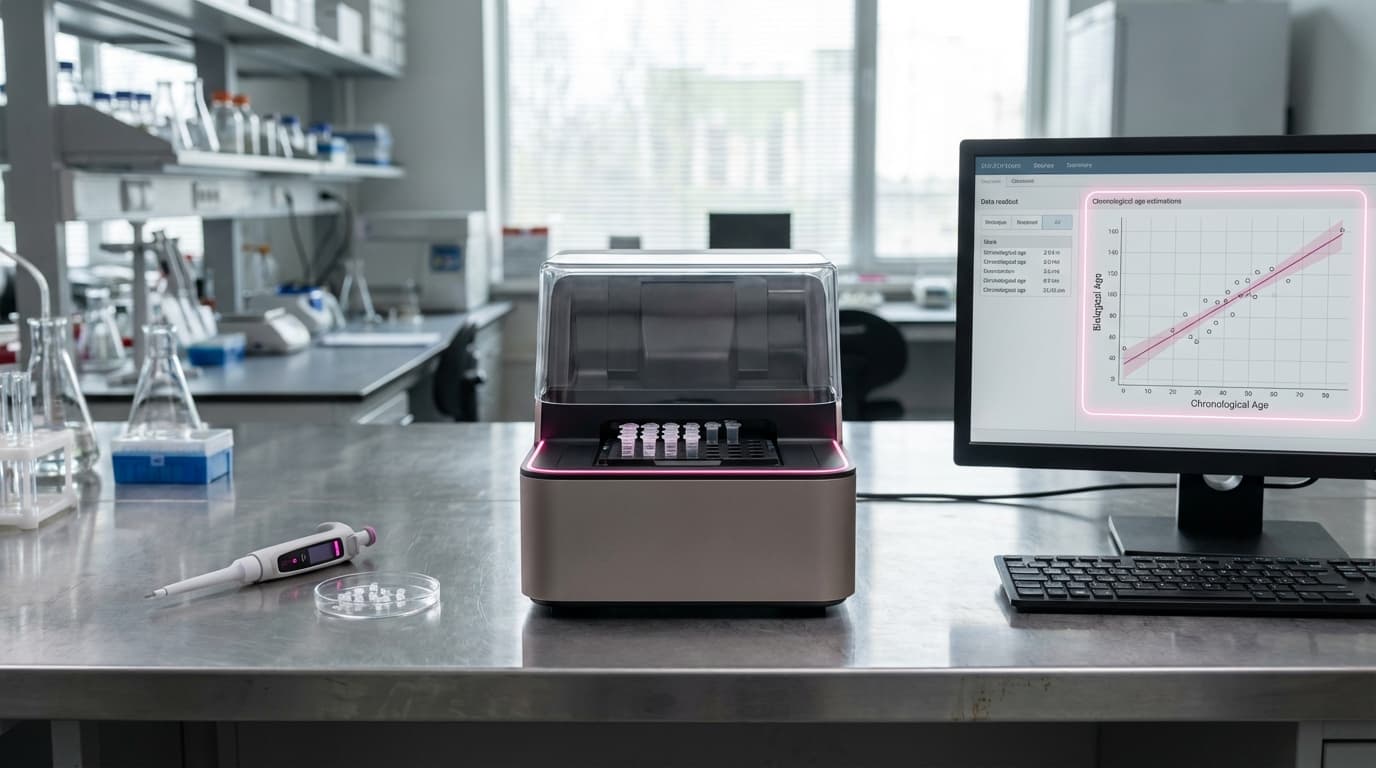
Epigenetic Clock Algorithms
Epigenetic clock algorithms are machine learning models that estimate biological age (how old a person's cells and tissues are, as opposed to chronological age) by analyzing DNA methylation patterns, which change predictably with age. These algorithms, trained on large cohorts with methylation data, are now integrating additional data from proteomics and metabolomics to provide more accurate, organ-specific age estimates that can assess the aging status of different tissues. Longevity clinics are embedding these clocks into diagnostic workflows to track the efficacy of anti-aging interventions and stratify clinical trial participants based on biological age.
This innovation addresses the need for objective measures of biological aging, where chronological age doesn't accurately reflect health status or aging rate. By providing accurate biological age estimates, these algorithms enable assessment of aging interventions and identification of individuals who are aging faster or slower than expected. Companies like Elysium Health, TruDiagnostic, and research institutions are developing and using these algorithms.
The technology is particularly valuable for longevity research and anti-aging interventions, where measuring biological age provides an objective way to assess effectiveness. As the technology improves and becomes more accessible, it could become a standard health metric. However, ensuring accuracy, understanding what biological age means clinically, and standardizing measurements remain challenges. The technology represents an important tool for aging research and personalized health, but requires continued development to achieve the accuracy and clinical utility needed for widespread use. Success could enable better assessment of aging interventions and personalized health optimization, but the field is still developing and requires more research to understand optimal applications and clinical significance.
Related Organizations

Biotechnology company focused on cellular rejuvenation programming.

Non-profit organization co-founded by Steve Horvath to advance epigenetic age research and validate clock algorithms.
United States · University
A public land-grant research university in Los Angeles, California.


Epigenetic testing company focused on aging algorithms.

A private Ivy League research university in New Haven, Connecticut.

Consumer health company focused on aging research and supplements.

A biotechnology company providing research tools for epigenetics and DNA/RNA purification.
United Kingdom · Company
A bio-infrastructure platform enabling diagnostics and biomarker testing.

A company commercializing epigenetic biomarkers for the life insurance industry.
Supporting Evidence
Research this in Signals
Signals turns a topic into a sourced research record you can inspect and rerun. Your first scan is free, and this one starts with Epigenetic Clock Algorithms already loaded, so edit it or scan as is.