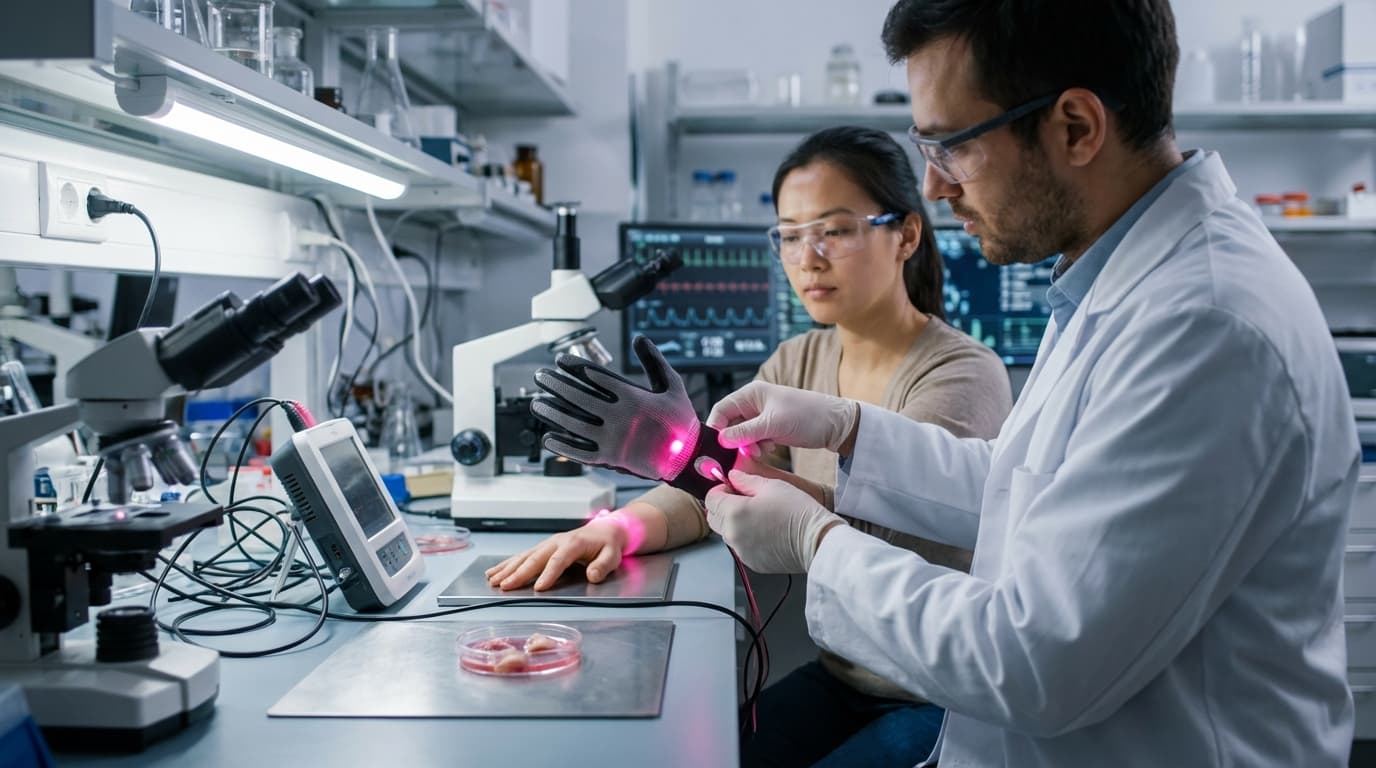
Cognitive & Physical Enhancement Boundaries
Enhancement boundaries refer to the ethical and policy challenge of defining where to draw the line between therapeutic restoration (treating disease or restoring normal function) and competitive advantage enhancement (improving capabilities beyond normal human ranges), especially in contexts like workplaces, sports, or education where enhancement could provide unfair advantages. These boundaries will define the future of human competition, labor, and social interaction in an age where biological enhancement technologies become increasingly available and effective, raising questions about fairness, authenticity, and the nature of human achievement. The challenge involves balancing individual autonomy, fairness, and social values. Sports organizations, employers, educational institutions, and policymakers are grappling with these questions.
This innovation addresses the blurring line between therapy and enhancement, where technologies that can treat conditions can also be used to enhance capabilities beyond normal ranges, creating questions about fairness and the nature of competition. By developing clear boundaries, societies can address these concerns while potentially allowing beneficial applications. The field requires careful consideration of many competing values.
The technology is important for maintaining fairness and addressing ethical concerns as enhancement technologies become available, where lack of boundaries could lead to unfair advantages or pressure to enhance. As capabilities improve, clear boundaries become increasingly important. However, defining boundaries, enforcing them, and balancing competing values remain challenges. The technology represents an important area of ethics and policy, but requires difficult value judgments. Success could enable fair competition and address ethical concerns while allowing beneficial uses, but achieving consensus on boundaries is challenging. The questions around enhancement boundaries will shape how societies adapt to increasingly powerful biological enhancement technologies.
Related Organizations

International independent agency composed and funded equally by the sport movement and governments of the world.

A research and development agency of the United States Department of Defense.

A nonpartisan, nonprofit bioethics research institute.

Neurotechnology company developing implantable brain-machine interfaces.

An independent body that examines ethical issues in biology and medicine, actively publishing on the ethics of artificial wombs.

Academic center at Oxford University conducting philosophical research on digital minds and moral status.

A technoprogressive think tank that promotes ideas about how technology can increase freedom and happiness.
France · Government Agency
A specialized agency of the United Nations aimed at promoting world peace and security.
Supporting Evidence
Research this in Signals
Signals turns a topic into a sourced research record you can inspect and rerun. Your first scan is free, and this one starts with Cognitive & Physical Enhancement Boundaries already loaded, so edit it or scan as is.