






Bioelectronic drugs
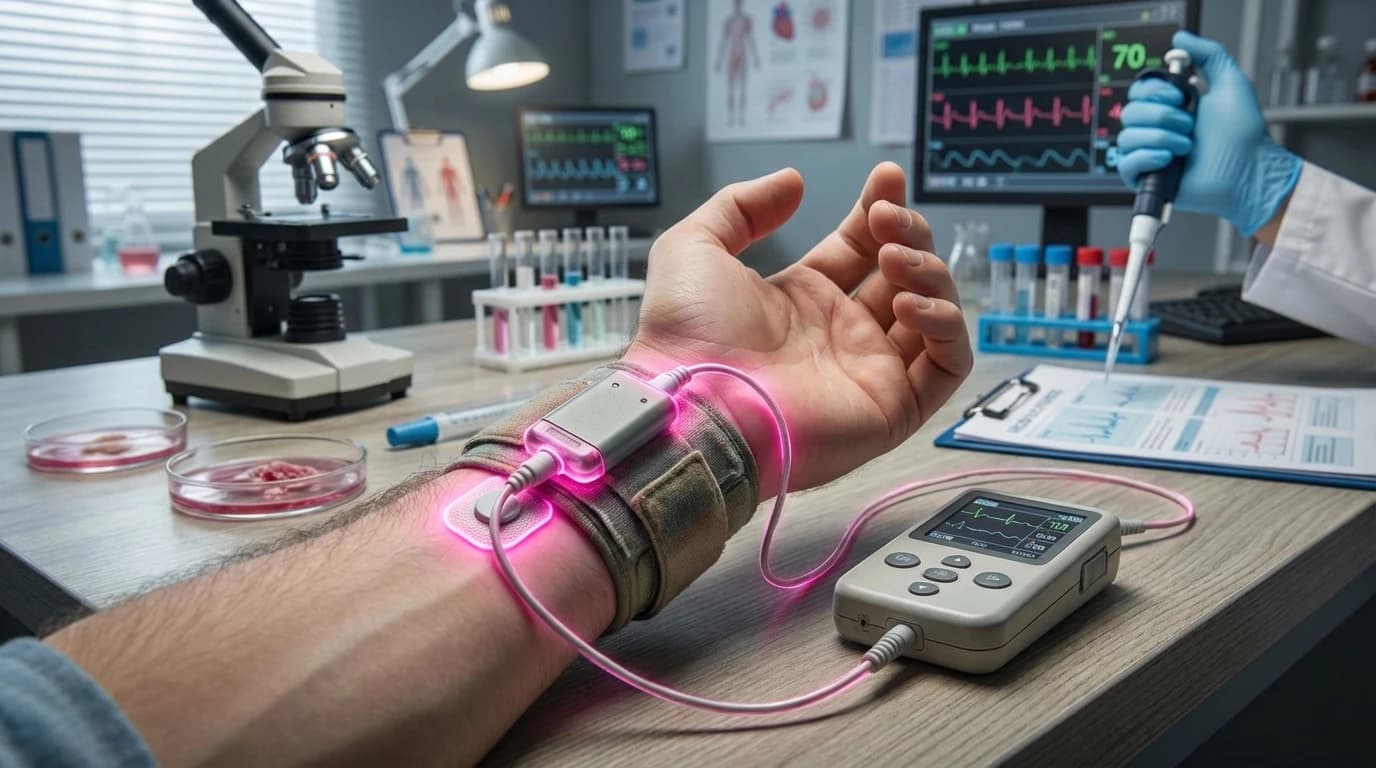
Bioelectronic Medicine Devices
Peripheral nerve stimulators treating chronic inflammation and autoimmune disease.
Bioelectronic medicine devices are therapeutic systems that use electrical stimulation of nerves to treat diseases by modulating the body's inflammatory and immune responses. These platforms combine flexible electrodes that interface with nerves, AI-powered controllers that adjust stimulation based on biomarker feedback, and integrated sensors that monitor inflammatory markers, creating closed-loop systems that can modulate inflammatory reflexes in real-time. Companies are commercializing devices like vagus nerve stimulators and splenic nerve cuffs as drug-sparing therapies for conditions including arthritis, Crohn's disease, and sepsis.
This innovation addresses the limitations of pharmaceutical treatments for chronic inflammation and autoimmune diseases, where drugs often have side effects and may lose effectiveness over time. By using electrical stimulation to modulate the body's natural regulatory systems, bioelectronic medicine offers a potentially safer, more targeted approach that can be adjusted in real-time. Companies like SetPoint Medical, Galvani Bioelectronics, and others are developing and commercializing these devices.
The technology is particularly significant for treating chronic inflammatory conditions where long-term drug use is problematic, potentially providing effective treatment with fewer side effects. As the technology improves and more devices are approved, it could become a standard approach for treating certain conditions. However, ensuring long-term safety, optimizing stimulation parameters, and demonstrating effectiveness in clinical trials remain challenges. The technology represents an important new modality for treating disease, but requires continued development and clinical validation. Success could transform treatment of chronic inflammatory and autoimmune conditions by providing drug-free or drug-sparing alternatives, but the field is still relatively early and requires more research to understand optimal applications and parameters.
TRL
5/9Validated
Impact
5/5
Investment
4/5
Category
Hardware
Related Organizations
Partnership between GSK and Verily to develop bioelectronic medicines.
Developer
Developing a platform to treat chronic inflammation via the vagus nerve.
Developer
Research arm of Northwell Health, home to the Institute of Bioelectronic Medicine.
Researcher
Global medical device company focused on closed-loop spinal cord stimulation.
Developer
Bioelectronic medicine company transforming the standard of care for chronic disease.
Developer
LivaNova
85%UK · Company
Global medical technology company known for Vagus Nerve Stimulation (VNS).
Deployer
Creates therapies to restore movement, independence, and health in people with spinal cord injury.
Developer
Wearable bioelectronic medicine for opioid withdrawal.
Developer
What was expected
Published forecasts about this technology, graded against what happened in Hindsight.
Supporting Evidence
Evidence data is not available for this technology yet.
Research this in Signals
Scan Bioelectronic Medicine Devices for yourself.
Signals turns a topic into a sourced research record you can inspect and rerun. Your first scan is free, and this one starts with Bioelectronic Medicine Devices already loaded, so edit it or scan as is.