Advanced Cold-Chain Thermal Storage
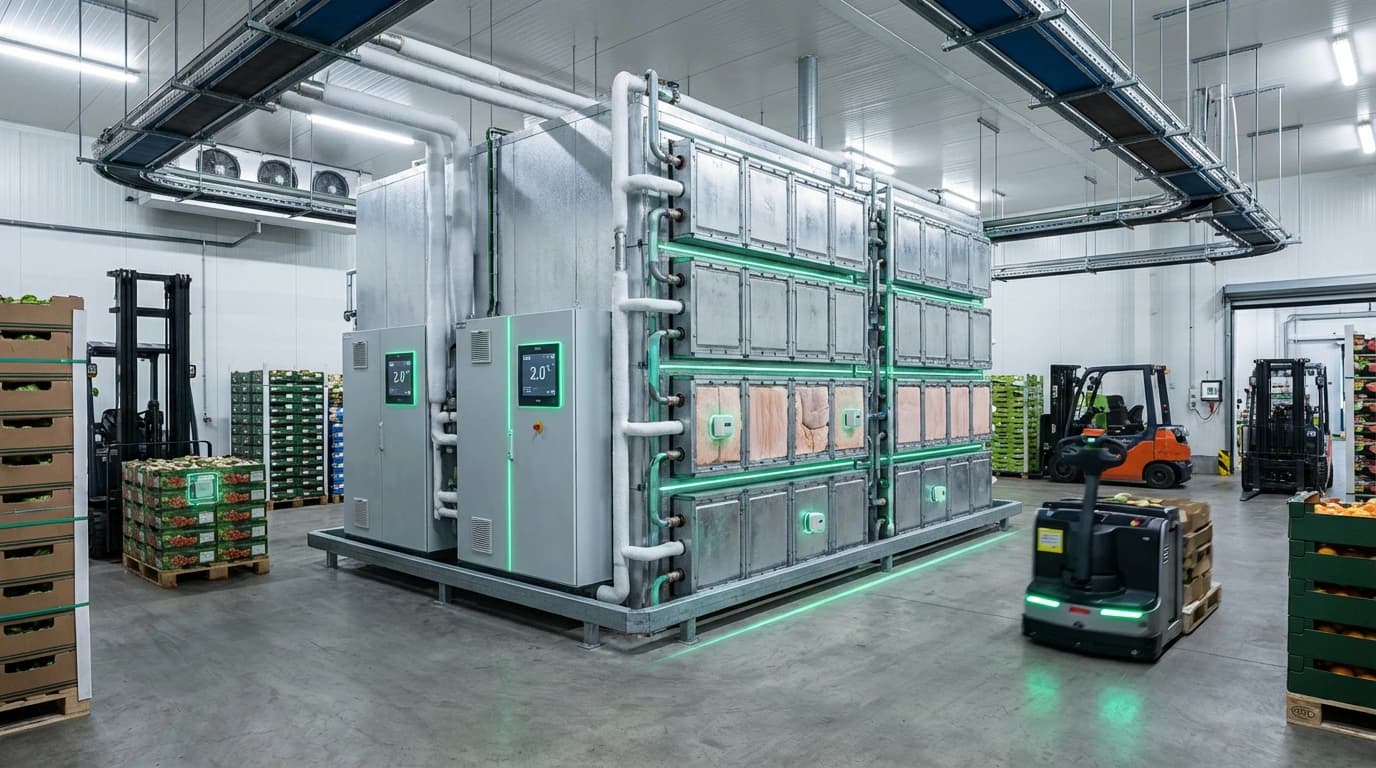
Advanced cold-chain thermal storage represents a critical evolution in temperature-controlled logistics, addressing one of the most persistent challenges in food distribution: maintaining consistent refrigeration despite power interruptions and equipment failures. At the heart of this technology are phase-change materials (PCMs)—substances engineered to absorb or release large amounts of thermal energy when transitioning between solid and liquid states at specific temperatures. Unlike traditional ice or mechanical refrigeration alone, these materials can be formulated to maintain precise temperature ranges ideal for different categories of perishables, whether fresh produce requiring 2-8°C or frozen goods needing -18°C or below. The materials are typically integrated into the walls, ceilings, or dedicated compartments of refrigerated spaces, where they act as thermal batteries. During normal operation, the refrigeration system charges these materials by freezing them; when power fails or cooling capacity is temporarily lost, the PCMs gradually melt, absorbing heat from the surrounding environment and maintaining stable temperatures for extended periods—often 12 to 48 hours depending on the system design and ambient conditions.
The food supply chain faces mounting pressure from both infrastructure limitations and climate-related disruptions. In developing regions, unreliable electrical grids threaten the viability of cold storage facilities, while extreme weather events increasingly challenge even advanced logistics networks. Traditional backup systems like diesel generators add operational costs, carbon emissions, and maintenance burdens. Advanced thermal storage addresses these vulnerabilities by providing passive, chemical-based temperature regulation that requires no active power input during discharge cycles. This capability proves particularly valuable in last-mile delivery scenarios, where refrigerated trucks may make frequent stops with doors opening repeatedly, or in remote distribution centers where grid reliability remains uncertain. The technology also enables more flexible routing and scheduling, as transport operators gain confidence that temperature-sensitive cargo will remain protected even if delays occur. For retailers and food processors, this translates into reduced spoilage rates, extended shelf life for products, and improved compliance with food safety regulations that mandate unbroken cold chains.
Early deployments of PCM-enhanced cold storage have emerged across multiple segments of the food industry, from pharmaceutical-grade vaccine transport systems that have been adapted for high-value agricultural products to retrofitted shipping containers serving international trade routes. Research suggests that installations in commercial cold storage facilities can reduce energy consumption by 15-30% while simultaneously improving temperature stability, as the thermal mass reduces the frequency of compressor cycling. Industry analysts note growing interest from grocery chains seeking to enhance resilience against increasingly common power disruptions, as well as from organic and specialty food distributors where product loss carries particularly high financial and reputational costs. The technology aligns with broader sustainability initiatives in the food sector, offering a pathway to reduce both food waste and the carbon footprint of refrigeration systems. As climate change intensifies temperature extremes and grid stability becomes more uncertain in many regions, passive thermal storage solutions are likely to transition from optional enhancements to essential infrastructure components, fundamentally reshaping how the industry approaches cold-chain reliability and energy management.
Related Organizations

Produces bio-based phase change materials derived from agricultural sources like vegetable oil.

Provides thermal energy storage systems using PCM for industrial cold storage facilities.

Provides active and passive temperature-controlled shipping solutions using advanced insulation and thermal technologies.

Provides solar-powered cold rooms (Ecofrost) that utilize thermal energy storage to maintain temperatures without batteries.

Develops air cargo containers with active temperature control and advanced thermal capabilities.

Manufacturer of thermal energy storage systems for milk chilling in emerging markets with unreliable grids.

German manufacturer specializing in phase change materials for thermal management.

SureChill
United Kingdom · Company
Developer of a unique water-based thermal storage technology for refrigerators that maintains 4°C for days without power.
Develops thermal energy storage solutions for cold chain logistics, enabling fuel-free refrigeration.

Materials research company manufacturing PCMs for HVAC applications and cold chain logistics.

Provides portable cold storage solutions and proprietary phase change materials for last-mile delivery.
Specializes in robust, passive reusable temperature-controlled containers using phase change materials.

Designs on-farm precooling and cold storage facilities that often incorporate thermal storage for grid resilience.

Startup producing solar-powered freezers with 'Ice Battery' technology for off-grid use in Africa.

Global leader in temperature-controlled packaging using advanced phase change materials (PCM) for pharmaceuticals and food.

A developer of BioPCM (Phase Change Material) mats that can be installed in walls and ceilings to stabilize indoor temperatures and reduce cooling loads.

Specializes in developing and manufacturing vacuum insulation panels (VIPs) for space-constrained thermal insulation.

Developed 'Refrigeration Battery' technology using thermal storage to manage energy loads for supermarkets.

Provider of reusable and single-use thermal packaging solutions utilizing proprietary PCM refrigerants.

Parent company of Sederma, the developer of Matrixyl, a peptide range that stimulates collagen synthesis to mimic fillers.

Manufacturer of phase change materials and temperature-controlled packaging for the food and life sciences industries.

Provider of temperature assurance packaging, including the EOS line which utilizes recyclable phase change materials.

Produces compact thermal storage batteries using phase change materials for residential and commercial hot water and heating.

Leads the UK Quantum Technology Hub in Sensors and Timing, focusing on gravity sensing for civil engineering.
Supporting Evidence
Research this in Signals
Signals turns a topic into a sourced research record you can inspect and rerun. Your first scan is free, and this one starts with Advanced Cold-Chain Thermal Storage already loaded, so edit it or scan as is.