Textile Defect Detection AI
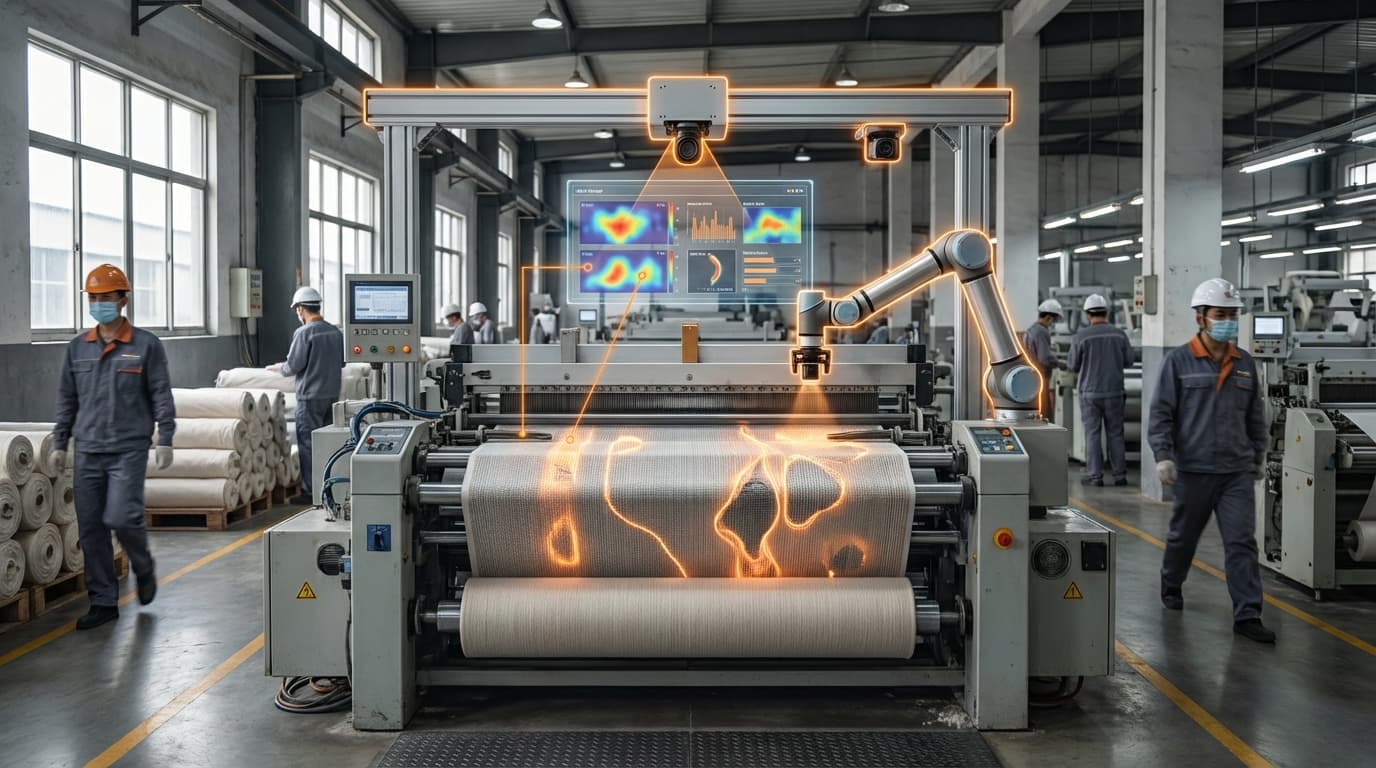
Textile defect detection AI represents a specialized application of computer vision technology designed to automate the quality control process in fabric manufacturing. Traditional fabric inspection relies on human operators examining textile rolls under controlled lighting conditions, a method that is both labor-intensive and prone to inconsistency due to fatigue and subjective judgment. This AI-driven approach employs high-resolution cameras positioned at critical points along production lines—particularly at looms and dyeing stations—to capture continuous imagery of fabric as it moves through manufacturing processes. The underlying neural networks have been trained on extensive datasets containing millions of labeled examples of common textile defects, including misweaves, broken threads, color inconsistencies, staining, pilling, and pattern irregularities. These systems operate at the edge, meaning processing occurs locally on specialized hardware rather than relying on cloud connectivity, enabling real-time analysis that matches or exceeds the speed of modern high-velocity production lines.
The apparel industry faces persistent challenges in maintaining consistent quality while managing tight margins and accelerating production schedules. Defects that escape detection during manufacturing can lead to costly downstream consequences, including rejected shipments, damaged brand reputation, and substantial material waste. Human inspection, while traditionally effective, struggles to maintain consistent accuracy across multi-hour shifts and cannot easily provide the granular data needed for process optimization. Textile defect detection AI addresses these limitations by delivering tireless, objective inspection at production speed, typically identifying defects within milliseconds of their occurrence. This immediate feedback loop allows operators to halt production and address root causes before significant quantities of flawed material accumulate. Beyond simple pass-fail determinations, these systems generate detailed analytics about defect types, frequencies, and locations, providing process engineers with actionable intelligence to refine loom settings, adjust dye formulations, or identify equipment maintenance needs before catastrophic failures occur.
Industry reports indicate widespread adoption of these systems across major textile manufacturing regions in Asia, particularly in China, Bangladesh, Vietnam, and India, where they are being integrated into both established facilities and new smart factory installations. Early deployments have demonstrated substantial reductions in inspection labor requirements while simultaneously improving defect detection rates compared to manual methods. The technology proves particularly valuable in high-volume commodity textile production, where even marginal improvements in yield translate to significant cost savings. As these systems mature, manufacturers are exploring expanded capabilities, including predictive maintenance applications that correlate defect patterns with equipment degradation, and integration with automated material handling systems that can automatically divert defective sections without human intervention. This evolution aligns with broader industry movements toward Industry 4.0 principles, where data-driven quality management becomes a competitive differentiator in an increasingly demanding global marketplace.
Related Organizations

Develops hardware-enabled AI software that detects defects in circular knitting machines in real-time to reduce textile waste.

An AI-based textile inspection solution spun out of HKRITA, designed to automate quality control on production lines.

Specializes in machine vision systems specifically for the textile industry, focusing on surface inspection and defect detection.

Global leader in textile testing and quality control, offering the Uster EVS Fabriq Vision for automated fabric inspection.

Research institute focused on textile innovation, including the development of the 'WiseEye' defect detection system.

Swiss manufacturer of optical yarn clearers and quality control systems for weaving and winding.

Manufacturer of cutting room technology that integrates scanning and defect detection into spreading and cutting machines.

Provides color management solutions and computerized fabric inspection tools to ensure visual quality consistency.

Offers the Effi-Mill and other monitoring systems for spinning and weaving quality control.

Cognex Corporation
United States · Company
A global leader in machine vision that provides the underlying cameras and software libraries used in web inspection systems.
Supporting Evidence
Research this in Signals
Signals turns a topic into a sourced research record you can inspect and rerun. Your first scan is free, and this one starts with Textile Defect Detection AI already loaded, so edit it or scan as is.