Relationship Graph Analytics
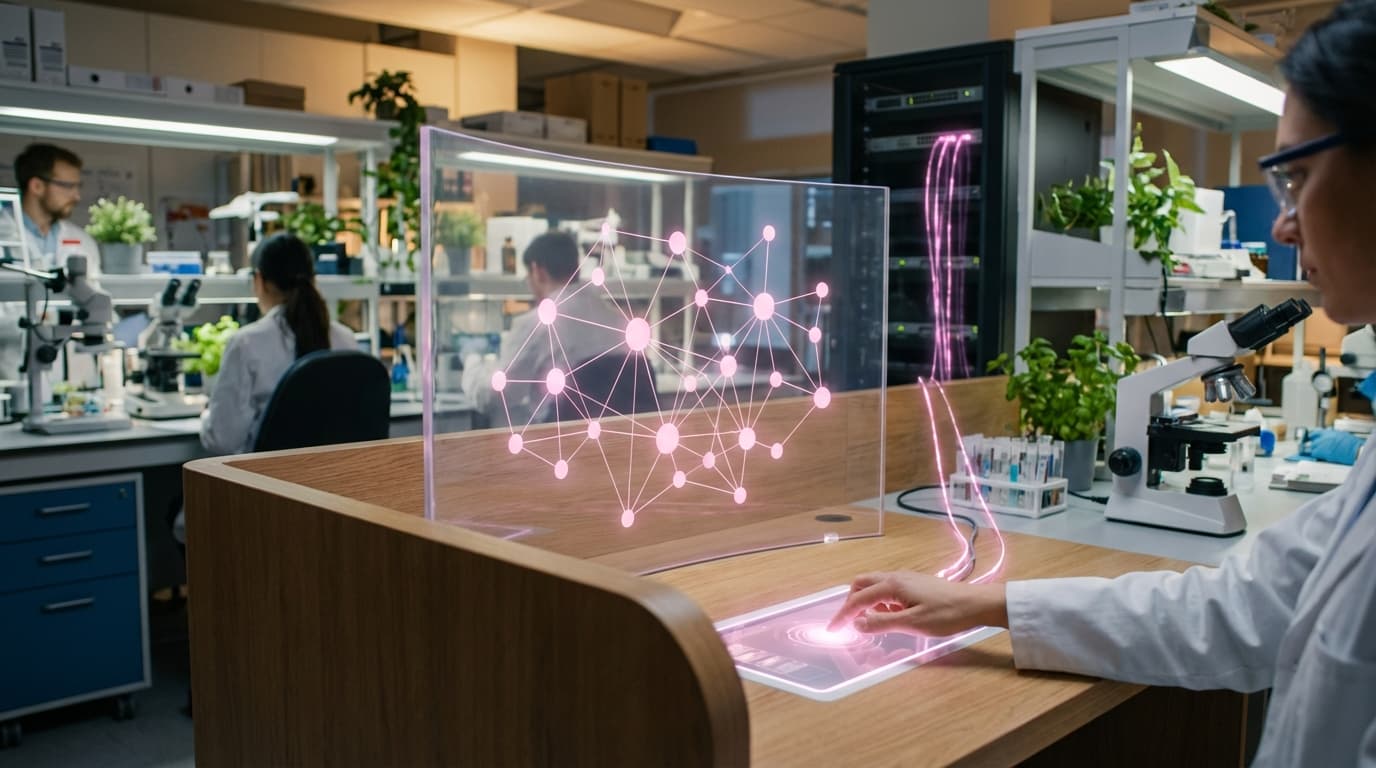
Relationship Graph Analytics represents a convergence of social network analysis, behavioral data science, and personal relationship management. These systems aggregate interaction data from multiple digital touchpoints—messaging platforms, calendar applications, social media, location services, and communication metadata—to construct a dynamic, multidimensional map of an individual's social ecosystem. Unlike traditional social network visualizations that simply display connections, these analytics platforms employ graph theory algorithms to quantify relationship strength, interaction frequency, emotional valence, and temporal patterns. The underlying architecture typically combines natural language processing to assess communication tone, temporal analysis to track engagement patterns over time, and machine learning models that identify relationship archetypes and predict connection decay. By treating relationships as nodes and interactions as weighted edges, these systems create computational models that reveal the hidden structure of personal social networks, including clusters of close relationships, peripheral connections, and bridging ties that link different social circles.
The fundamental challenge these systems address is the growing difficulty of maintaining meaningful relationships in an era of digital abundance and attention scarcity. Research suggests that humans can maintain approximately 150 stable relationships—the so-called Dunbar number—yet modern life fragments our attention across hundreds of digital connections while demanding time for work, family, and self-care. Relationship Graph Analytics tackles this by surfacing patterns that remain invisible in day-to-day life: the college friend you haven't contacted in six months despite mutual interest, the family member whose communication has shifted from weekly to monthly, or the romantic partner whose quality time has been displaced by professional obligations. These platforms generate actionable insights through comparative analysis, showing users how their actual relationship investment aligns with their stated priorities. Some implementations incorporate nudge mechanisms—gentle reminders or suggested actions—designed to prevent relationship drift before it becomes irreversible. By quantifying the qualitative aspects of human connection, these tools aim to help individuals become more intentional architects of their social lives rather than passive participants shaped by algorithmic feeds and notification streams.
Early deployments of relationship analytics have emerged primarily through personal CRM (Customer Relationship Management) tools adapted for social contexts, wellness applications focused on connection quality, and specialized platforms for polyamorous communities managing complex relationship networks. Industry observers note growing interest from mental health providers who recognize social connection as a determinant of wellbeing, as well as from relationship counselors seeking data-driven insights into couples' communication patterns. The technology raises important questions about privacy, consent, and the quantification of intimacy—concerns that developers are addressing through local-first architectures that keep sensitive relationship data on personal devices rather than cloud servers. As loneliness and social isolation become recognized public health challenges, particularly in aging populations and digitally-mediated societies, relationship analytics may evolve from niche tools into mainstream infrastructure for social wellness. The trajectory suggests a future where individuals have sophisticated dashboards for their social lives comparable to those already common for physical health and financial management, potentially reshaping how we understand and cultivate the bonds that give life meaning.
Related Organizations

A relationship management tool that aggregates data from email, calendar, and social platforms to help users remember details about their network.

An open-source personal CRM designed to help individuals document interactions with friends and family.

A wellness app focused on social health that tracks interaction frequency and visualizes the user's social circle.

A personal CRM designed to help users keep in touch and remember context about friends and acquaintances.
A research institute at Northeastern University dedicated to discovering the fundamental principles of network structures.

A smart CRM that automatically tracks emails, calls, meetings, and documents to create a view of every person and company.
Supporting Evidence
Research this in Signals
Signals turns a topic into a sourced research record you can inspect and rerun. Your first scan is free, and this one starts with Relationship Graph Analytics already loaded, so edit it or scan as is.