Genomic Compatibility Algorithms
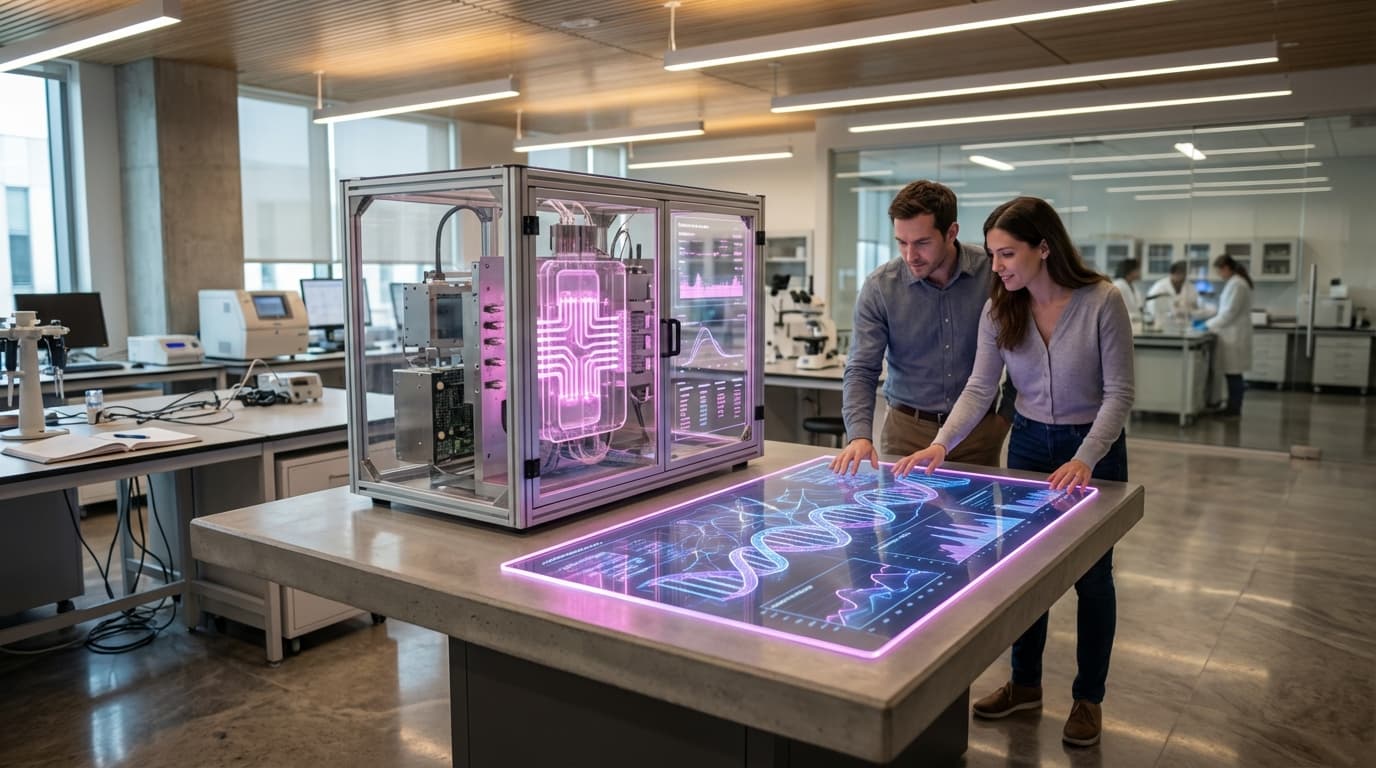
Genomic compatibility algorithms represent a convergence of biotechnology and relationship science, utilizing genetic markers to inform partner matching beyond traditional social and psychological factors. These systems analyze specific segments of an individual's DNA, most notably the Major Histocompatibility Complex (MHC), a group of genes that play a crucial role in immune system function and have been linked to subconscious mate preference through olfactory cues. Research suggests that individuals are naturally attracted to partners with dissimilar MHC profiles, potentially as an evolutionary mechanism to produce offspring with more robust immune systems. Modern genomic matching platforms combine this biological data with conventional personality assessments, lifestyle preferences, and relationship goals to create multidimensional compatibility profiles. The technical process typically involves collecting DNA samples through simple cheek swabs, sequencing relevant genetic regions, and applying proprietary algorithms that weigh genetic compatibility alongside psychometric data to generate match scores and recommendations.
The relationship industry has long grappled with the limitations of purely behavioral matching systems, which often fail to account for the biological underpinnings of attraction and long-term compatibility. Traditional dating platforms rely heavily on self-reported preferences, shared interests, and demographic filters—factors that may influence initial attraction but don't necessarily predict relationship longevity or biological chemistry. Genomic compatibility algorithms address this gap by introducing an objective, science-based layer to the matching process. This approach tackles the persistent challenge of high relationship dissolution rates and the difficulty many individuals face in finding partners with whom they experience sustained mutual attraction. By incorporating genetic data, these systems aim to identify matches that may not be obvious through conventional criteria but could lead to stronger physical attraction, better immune compatibility for potential offspring, and reduced likelihood of certain genetic incompatibilities that might affect family planning decisions.
Several companies have begun offering DNA-based matchmaking services, though the field remains in relatively early stages of commercial development. Early platforms typically require users to submit genetic samples and complete comprehensive personality assessments, with the genetic analysis focusing on immune system genes, neurotransmitter-related markers, and other variants associated with personality traits and relationship behaviors. Some services integrate genomic data into existing dating platforms as an additional compatibility metric, while others operate as standalone genetic matching services. The technology also finds application in fertility planning contexts, where couples use genetic compatibility screening to understand potential hereditary health considerations. Industry analysts note growing consumer interest in personalized, science-backed approaches to relationship formation, particularly among demographics comfortable with genetic testing for health and ancestry purposes. As our understanding of the genetic components of attraction and compatibility deepens, these algorithms are likely to become more sophisticated, potentially incorporating epigenetic factors and broader genomic profiles. However, the field also faces ongoing ethical discussions about genetic privacy, the risk of genetic determinism in relationship choices, and the need to balance biological compatibility with the complex social, emotional, and cultural factors that contribute to successful long-term partnerships.
Related Organizations

A Swiss company offering biological matching services to dating sites based on HLA (Human Leukocyte Antigen) genes.

Provides DNA testing kits specifically designed to analyze relationship compatibility and 'biological chemistry'.
Digid8
United States · Startup
A controversial startup co-founded by George Church aiming to use DNA comparison to eliminate genetic diseases in matchmaking.

Home to the original 'Sweaty T-shirt' studies by Claus Wedekind on MHC-dependent mate preferences.
Combines DNA analysis with psychometric testing to profile personality for self-discovery and matching.

Consumer genetics company holding massive databases of biological profiles.
Supporting Evidence
Research this in Signals
Signals turns a topic into a sourced research record you can inspect and rerun. Your first scan is free, and this one starts with Genomic Compatibility Algorithms already loaded, so edit it or scan as is.