Parenting Copilot Platforms
Parenting copilot platforms represent a new category of AI-powered digital assistants designed to support caregivers during the critical early years of child development. These systems combine natural language processing, machine learning algorithms, and evidence-based pediatric knowledge to provide personalized guidance tailored to each family's unique circumstances. The technology typically integrates multiple data streams—including developmental milestones, feeding patterns, sleep schedules, and caregiver-reported observations—to generate contextually relevant recommendations. Unlike static parenting apps or generic advice forums, these platforms adapt their guidance based on continuous learning from user interactions and outcomes, creating an increasingly personalized support experience. The underlying architecture often incorporates validated developmental frameworks from pediatric research, translating complex medical and psychological insights into accessible, actionable advice for non-expert caregivers.
The emergence of parenting copilot platforms addresses a significant gap in postnatal support systems, particularly in regions where access to pediatric specialists, lactation consultants, and mental health professionals remains limited. New parents frequently face overwhelming information from disparate sources, leading to confusion, anxiety, and decision paralysis during moments when timely guidance is most critical. These platforms help democratize access to expert-level knowledge, offering immediate responses to common concerns about feeding difficulties, sleep regression, developmental delays, or postpartum mood changes. By providing consistent, evidence-based information, they reduce the cognitive burden on sleep-deprived caregivers while helping identify situations that genuinely require professional medical intervention. The technology also enables more proactive monitoring of both infant development and caregiver wellbeing, potentially flagging early warning signs of postpartum depression or developmental concerns that might otherwise go unnoticed until routine pediatric visits.
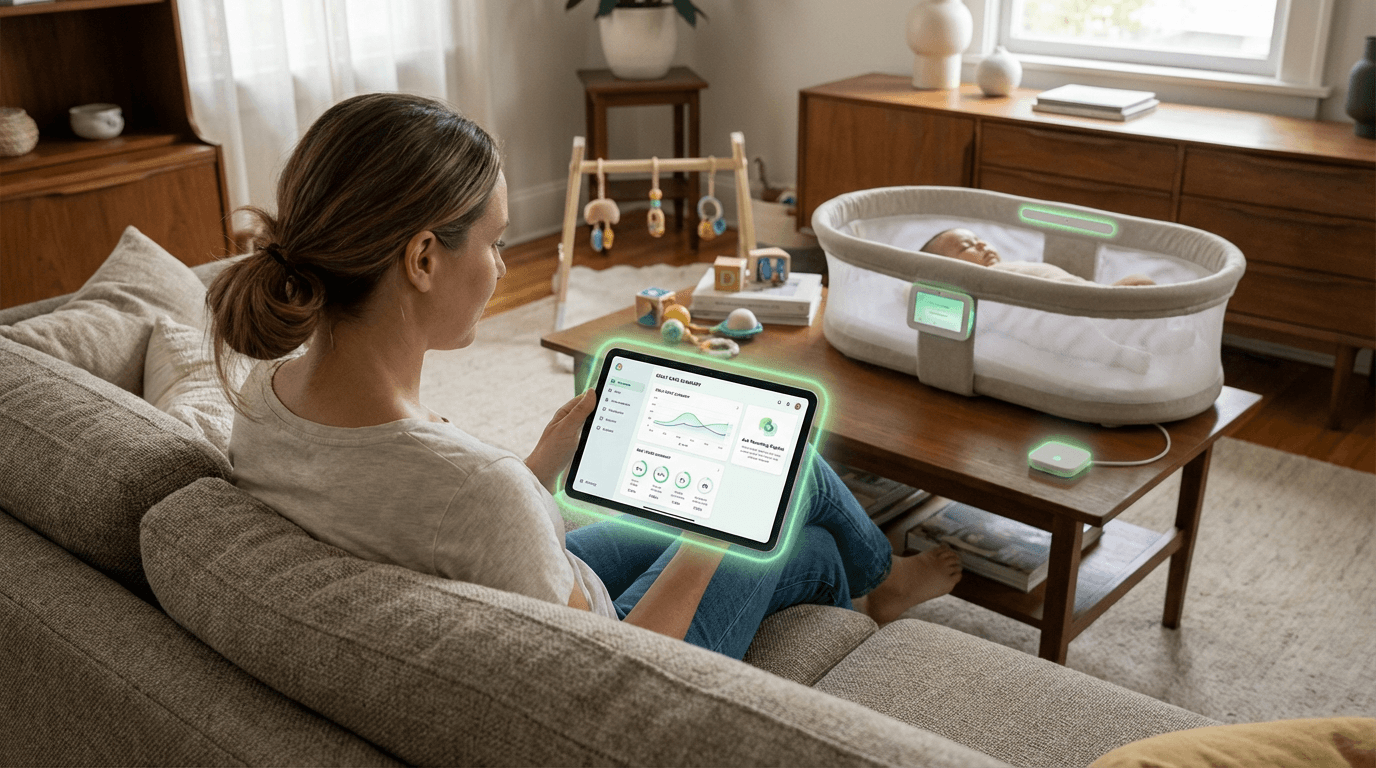
Early deployments of these platforms have primarily focused on supporting first-time parents during the newborn period, with some systems extending their guidance through toddlerhood and early childhood. Research suggests that caregivers using these tools report increased confidence in their parenting decisions and reduced anxiety around common developmental concerns. The platforms typically incorporate features such as milestone tracking, symptom checkers, feeding and sleep logs, and mood monitoring for caregivers, creating a comprehensive record that can be shared with healthcare providers during appointments. As these systems mature, they are increasingly integrating with connected devices such as smart monitors and wearable sensors, enabling more passive data collection and reducing the burden of manual logging. The trajectory of this technology points toward more sophisticated predictive capabilities, potentially anticipating developmental transitions or identifying subtle patterns that indicate emerging health concerns. However, the success of these platforms ultimately depends on maintaining appropriate boundaries between AI-assisted guidance and professional medical care, ensuring that technology augments rather than replaces the essential human elements of pediatric healthcare and family support systems.
Related Organizations

Develops an app combining AI and pediatric sleep expertise to create custom sleep plans and predict optimal nap times for children.

Uses AI to analyze infant crying sounds to detect potential medical issues and translate needs for parents.

Creator of a smart crib that uses computer vision and AI to detect early wake-up signs and automatically soothe the baby.

An AI-powered baby tracker and schedule planner that predicts optimal nap times and tracks development.

Family benefits platform offering 'Cleo Guides' (often doulas or specialists) to support parents.

Offers smart buttons (hardware) and an app to simplify tracking of daily care activities like feeding and medication.

Uses computer vision AI to monitor baby sleep and breathing; integrates feeding tracking into their insights platform.

A virtual clinic for women's and family health that integrates doula support into its care pathways.

Subscription-based play kits paired with an app that guides parents on developmental milestones and how to play.
Supporting Evidence
Research this in Signals
Signals turns a topic into a sourced research record you can inspect and rerun. Your first scan is free, and this one starts with Parenting Copilot Platforms already loaded, so edit it or scan as is.