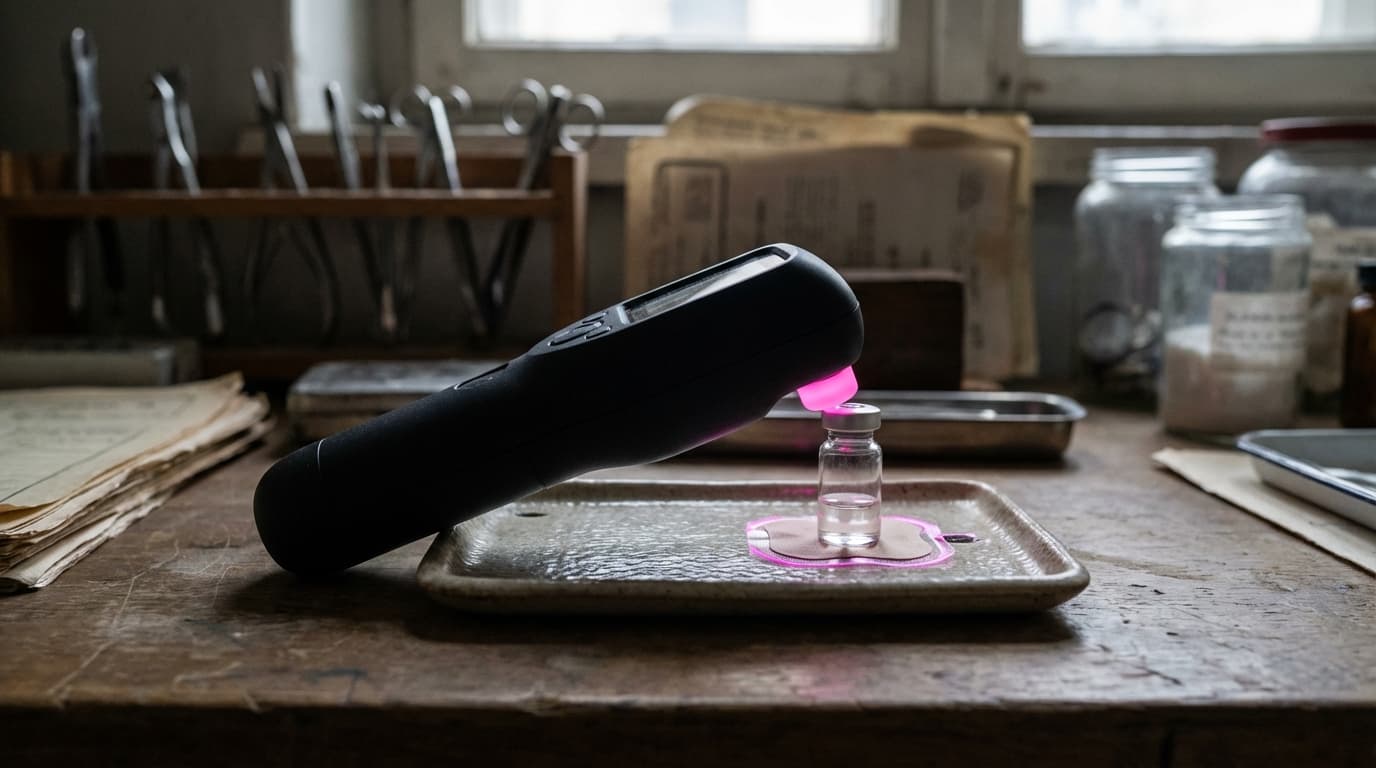
Black-Market Enhancement Monitoring
Black-market enhancement monitoring systems use technical tools and policy frameworks to detect, track, and address unsafe underground aesthetic and enhancement ecosystems, including unregulated injectables, counterfeit products, DIY gene therapy attempts, off-label drug experimentation, and other potentially dangerous enhancement practices that occur outside of regulated channels. These systems aim to identify emerging harms, track dangerous products or practices, and provide early warning systems for public health threats while respecting individual autonomy and avoiding over-surveillance. The approach balances the need to protect public health with concerns about privacy, autonomy, and the right to self-modification.
This framework addresses the challenge of protecting public health in an era where powerful enhancement technologies are increasingly accessible through unregulated channels, where individuals may attempt dangerous procedures or use unsafe products without proper oversight. By monitoring these ecosystems, systems can identify risks and provide interventions while respecting individual rights. Public health agencies, regulatory bodies, and research institutions are exploring these approaches, with ongoing debates about appropriate monitoring methods and privacy protections.
The framework is particularly significant as enhancement technologies become more powerful and accessible, where understanding and addressing black-market risks could prevent serious harm. As these technologies advance, developing effective monitoring approaches could become essential for public health protection. However, balancing surveillance with privacy, defining what constitutes dangerous versus acceptable self-experimentation, and avoiding overreach remain challenges. The framework represents an important area of public health protection, but requires careful implementation to balance safety with individual rights.
Related Organizations
United States · Company
Provides merchant monitoring and certification for healthcare, identifying rogue pharmacies and illicit aesthetic product sellers online.
The regulatory body convening advisory committees to discuss the safety, efficacy, and ethics of artificial womb technology (EXTEND).
AbbVie
United States · Company
Pharmaceutical giant and parent company of Allergan Aesthetics (Botox, Juvéderm).
France · Government Agency
International police organization that coordinates operations like 'Operation Pangea' to seize illicit medicines and medical devices.
United Kingdom · Government Agency
The UK regulator for medicines and medical devices, actively campaigning against 'fake meds'.
Spain · Company
Brand protection software that automatically detects and removes counterfeit listings across marketplaces.
United States · Company
Provides brand protection and anti-piracy solutions to identify and enforce against gray market trading.
United States · Company
Uses mobile technology to combat counterfeiting in emerging markets, allowing consumers to verify product authenticity via SMS or app.
Singapore · Company
Healthcare services group in Asia that developed 'ezTracker', a blockchain-based product verification system.
United States · Nonprofit
A coalition of associations focused on protecting consumers from counterfeit, substandard, or unapproved medications.
Supporting Evidence
Research this in Signals
Signals turns a topic into a sourced research record you can inspect and rerun. Your first scan is free, and this one starts with Black-Market Enhancement Monitoring already loaded, so edit it or scan as is.