Renewable Energy Technologies
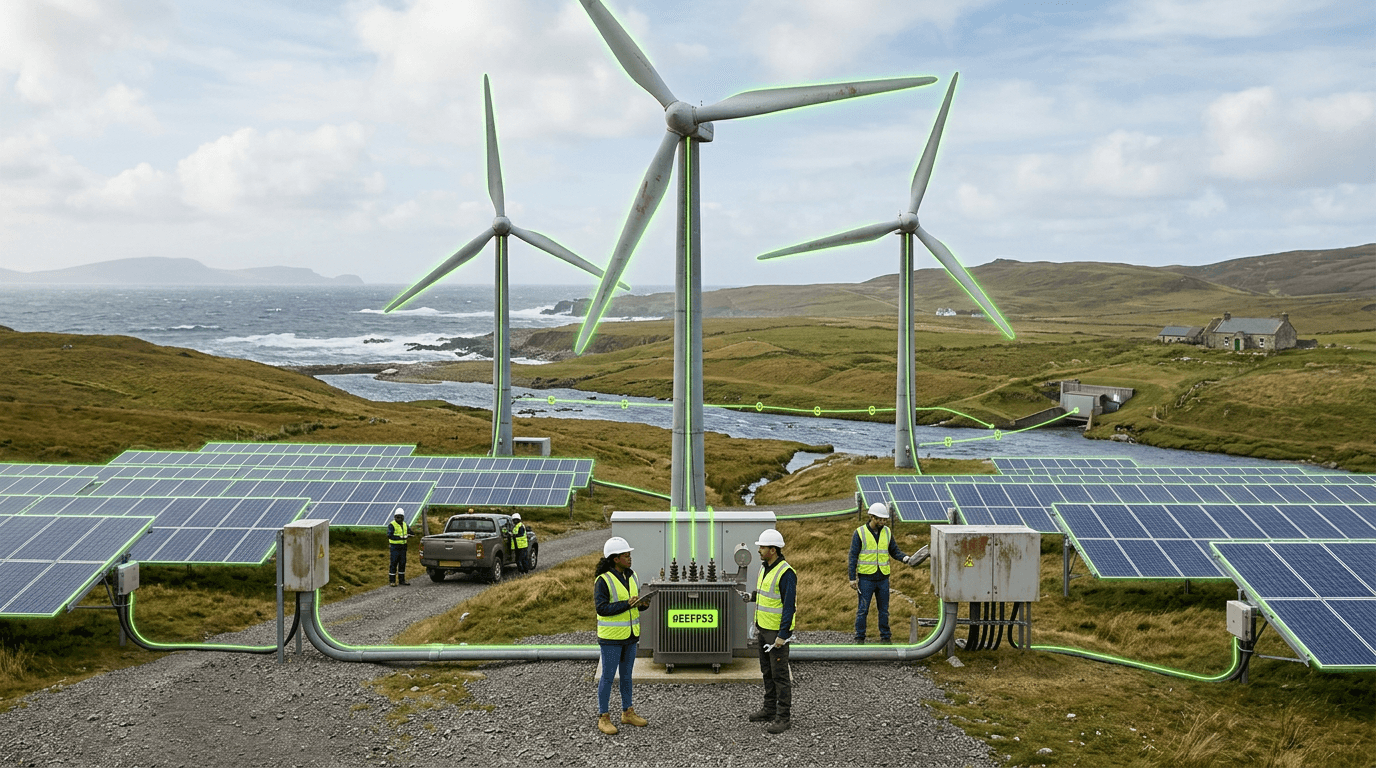
Renewable energy technologies generate electricity or heat from sources that replenish on human timescales: sunlight (photovoltaics, concentrated solar), wind (onshore and offshore turbines), water (hydropower, run-of-river, tidal), geothermal, and biomass. Storage (batteries, pumped hydro, hydrogen) and grid flexibility help manage variability. Hydrogen produced from renewables (green hydrogen) is increasingly considered for industry and heavy transport. Deployment has grown rapidly; in many regions, new solar and wind capacity is cost-competitive with fossil alternatives without subsidy.
The technologies address climate change and energy security by displacing fossil fuels and reducing greenhouse gas emissions. Policy targets and corporate commitments have driven investment; supply chains for panels, turbines, and batteries have scaled. Integration challenges remain: solar and wind are variable, so grids need balancing resources, demand response, and interconnections. Land use, permitting, and community acceptance vary by technology and location. In developing economies, renewables can expand access to electricity and reduce dependence on imported fuel.
Outlook is for continued growth in capacity and diversification of applications (e.g. green hydrogen, synthetic fuels). Innovation continues in efficiency, durability, recycling, and grid integration. Renewable energy technologies are expected to form the backbone of decarbonised energy systems, alongside nuclear and fossil with carbon capture where politically and economically viable.
Research this in Signals
Signals turns a topic into a sourced research record you can inspect and rerun. Your first scan is free, and this one starts with Renewable Energy Technologies already loaded, so edit it or scan as is.