Gravity Battery
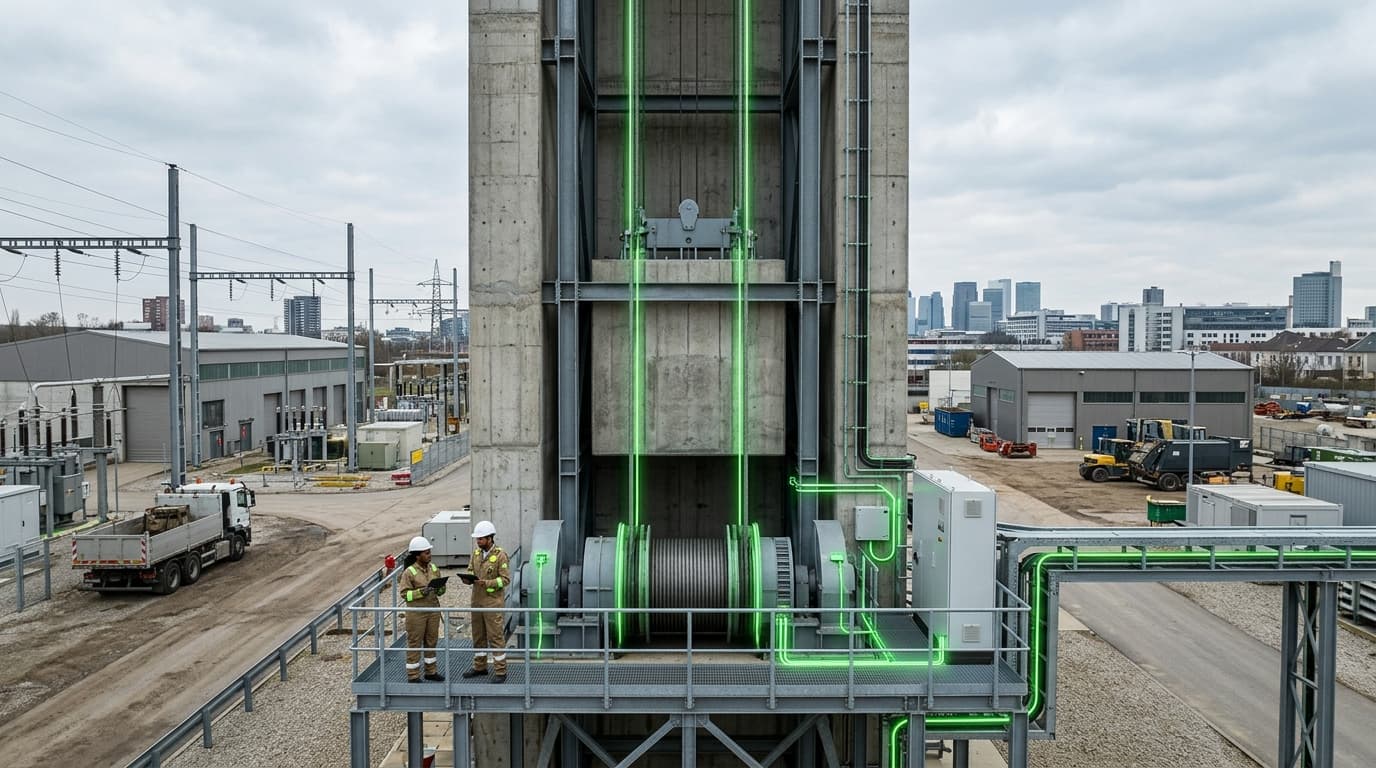
Gravity batteries store energy by lifting a mass (concrete blocks, water, or weights) against gravity and releasing it to drive generators when power is needed. Pumped hydro is the dominant form; emerging designs use stacked blocks in towers or underground shafts (e.g., Energy Vault, Gravitricity). Small-scale examples exist; larger deployments are in development. Applications include grid balancing, renewable integration, and long-duration storage.
Energy storage faces cost and duration trade-offs. Gravity storage offers long-duration capability with minimal degradation over cycles. Challenges include capital intensity, site requirements (topography for pumped hydro; structures for block-based), and round-trip efficiency. Research continues into lower-cost designs and underground configurations. Gravity batteries represent an emerging option for long-duration storage.
Research this in Signals
Signals turns a topic into a sourced research record you can inspect and rerun. Your first scan is free, and this one starts with Gravity Battery already loaded, so edit it or scan as is.