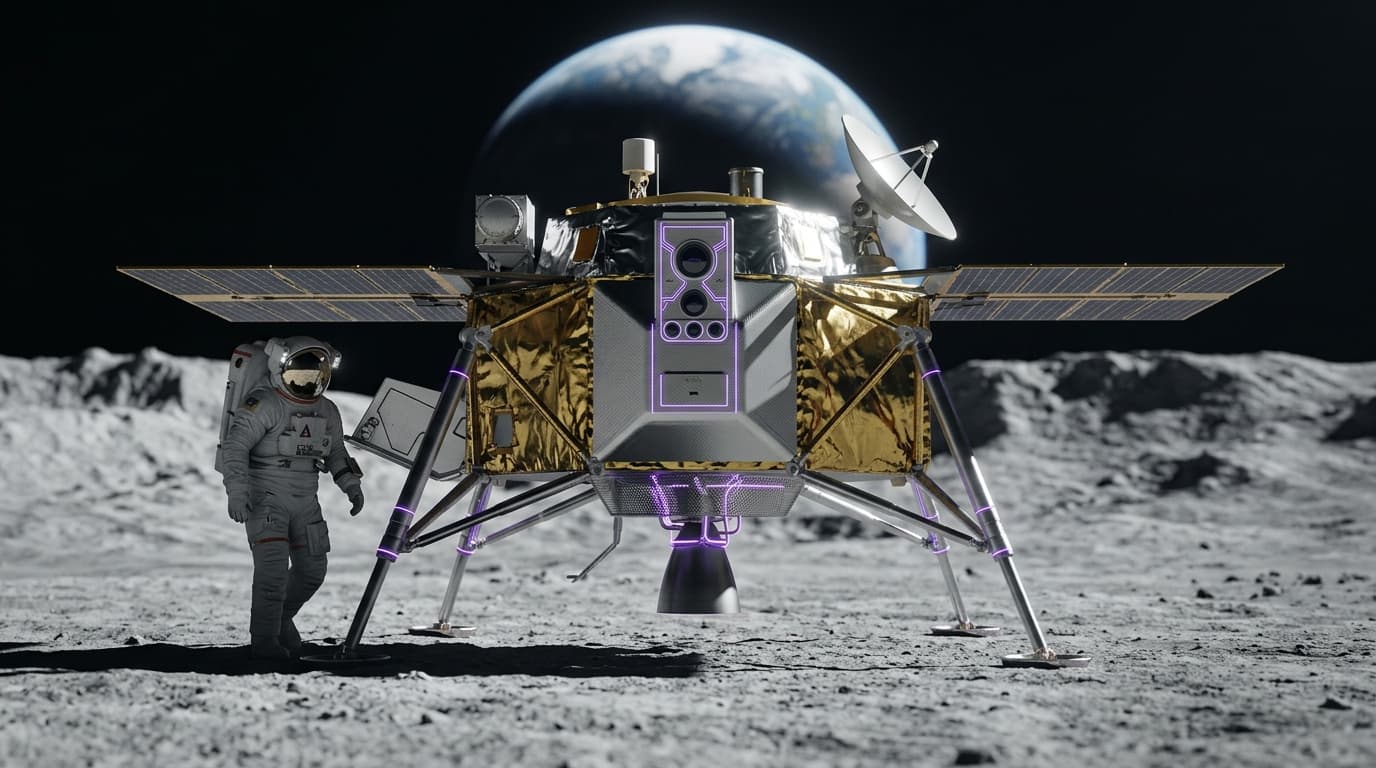
Lunar Exploration Program
Geography: Emea · Middle East · Turkey
Turkey's National Space Program includes plans for first contact with the Moon by 2026, with the spacecraft currently being designed and produced by TÜBİTAK Space. Turkey allocated $161 million for space exploration in 2025, a significant increase that signals serious commitment to extending its space capabilities beyond Earth orbit. The lunar program builds on the satellite design and propulsion capabilities developed through the Göktürk, IMECE, and Türksat 6A programs.
A successful lunar mission would make Turkey one of fewer than ten nations/entities to reach the Moon, joining the US, Russia, China, India, Japan, Israel (crash landing), and the EU. While the initial mission is likely a hard landing or flyby rather than a soft landing, it would demonstrate deep space navigation, communication, and propulsion capabilities that represent a major step beyond Turkey's current Earth orbit operations.
The strategic value extends beyond prestige — deep space capabilities are relevant to Turkey's emerging defense and intelligence satellite ambitions, as the navigation and communication technologies overlap. The $161 million budget, while modest by NASA or ESA standards, represents a focused investment in a country with significantly lower engineering labor costs.
Research this in Signals
Signals turns a topic into a sourced research record you can inspect and rerun. Your first scan is free, and this one starts with Lunar Exploration Program already loaded, so edit it or scan as is.