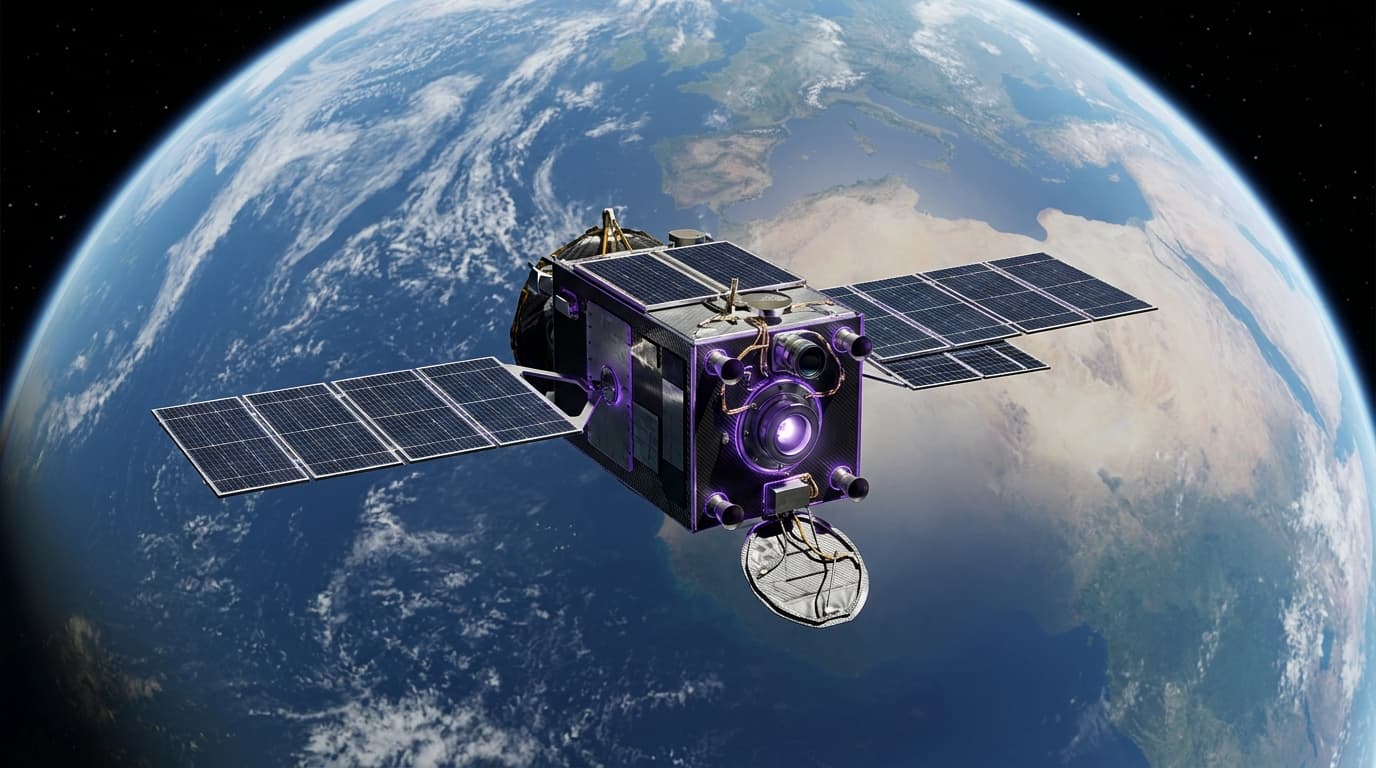
Indigenous Earth Observation Satellites
Geography: Emea · Middle East · Iran
Iran has placed multiple indigenous earth observation satellites into orbit, including the Chamran-1 (60 kg, launched 2024 on Qaem-100), the Noor series (IRGC military satellites launched on the Qased vehicle), and the Khayyam satellite (launched 2022 on a Russian Soyuz). The Khayyam, while Russian-launched, reportedly provides high-resolution imaging capability that Iran has used for reconnaissance purposes. The domestically launched satellites are smaller and less capable but represent sovereign capability.
Earth observation satellites serve dual military and civilian purposes: crop monitoring, natural disaster response, urban planning, and environmental tracking on the civilian side; battlefield surveillance, damage assessment, and intelligence collection on the military side. For a country under heavy sanctions and intelligence embargo, indigenous imaging capability has particular value — it provides strategic awareness independent of foreign data sources. The Noor satellites, operated by the IRGC, are explicitly military reconnaissance platforms.
The current generation of Iranian imaging satellites is modest by global standards — resolution and coverage lag significantly behind commercial constellations like Planet or Maxar, let alone national systems of major powers. However, the trajectory is toward higher capability, and the combination of indigenous satellite production with domestic launch vehicles gives Iran a complete sovereign observation chain. Plans for larger, more capable imaging satellites continue to be announced, though funding and technical challenges remain significant.
Research this in Signals
Signals turns a topic into a sourced research record you can inspect and rerun. Your first scan is free, and this one starts with Indigenous Earth Observation Satellites already loaded, so edit it or scan as is.