Reusable Launch Vehicle Technology
Geography: Emea · Europe · Europe
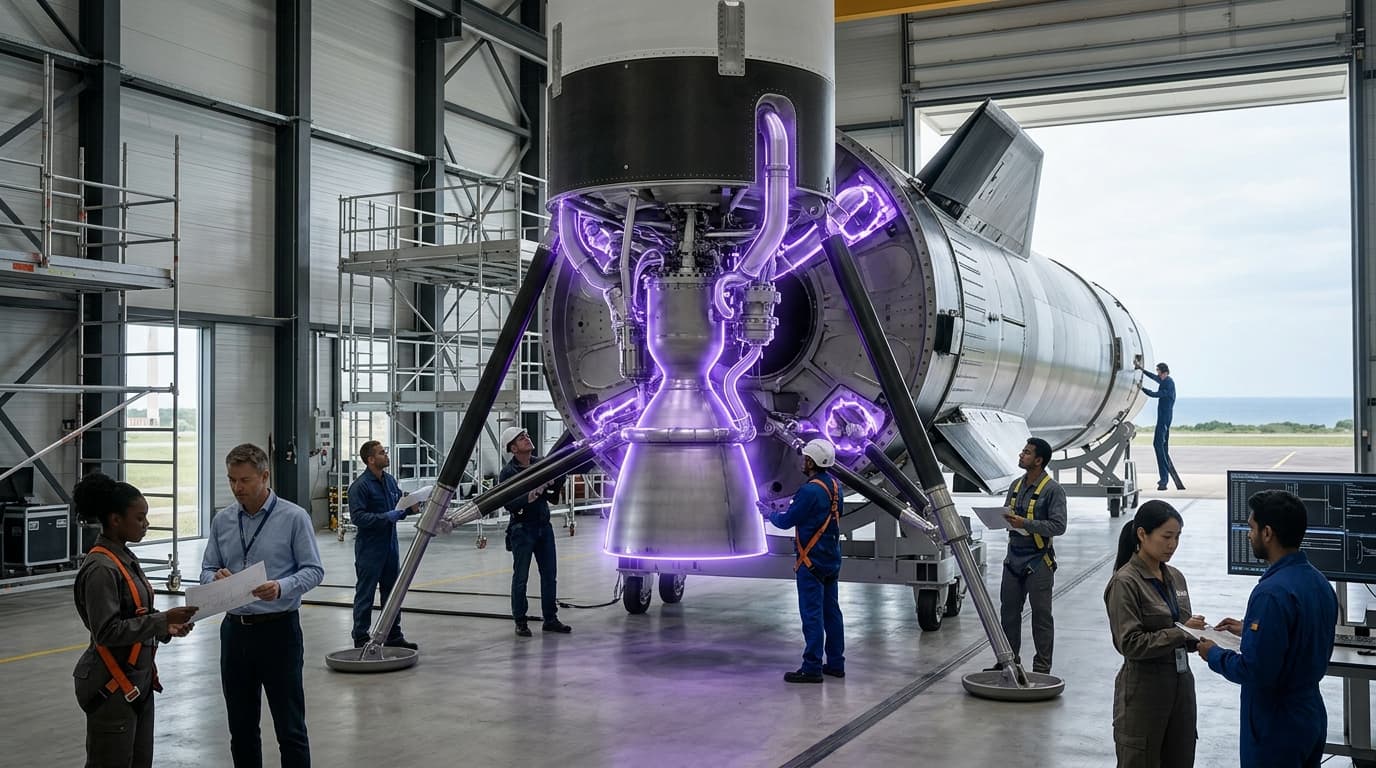
ESA's Themis programme is developing Europe's first reusable rocket stage, powered by the Prometheus engine — a low-cost, reusable LOX/methane engine costing one-tenth of the Vulcain engine used on Ariane 6. Two Themis prototypes are built, with vertical takeoff and landing (VTVL) test flights planned for early 2026 from Esrange, Sweden. The programme directly feeds reusability technology into MaiaSpace (ArianeGroup subsidiary) and Isar Aerospace's Spectrum rocket.
The reusability gap is Europe's most pressing space technology deficit. SpaceX's Falcon 9 has reduced launch costs below $3,000/kg through first-stage recovery, while Ariane 6 operates expendably at significantly higher cost per kilogram. ESA selected five companies through the European Launcher Challenge (July 2025) — including MaiaSpace, Isar Aerospace, PLD Space, Rocket Factory Augsburg, and HyPrSpace — each eligible for up to €169M to develop and demonstrate competitive launch capabilities by 2030.
The technical challenge isn't just landing a rocket — it's making the economics work for European launch cadence. SpaceX launches 100+ times annually, amortizing reusable hardware across dozens of flights. Europe currently launches ~10 times per year, meaning reusable stages must be far cheaper to develop or must capture commercial market share to justify the investment. The Prometheus engine's radical cost reduction (targeting €1M per engine vs €10M for Vulcain) is the enabling technology that makes European reusability viable even at lower launch rates.
Research this in Signals
Signals turns a topic into a sourced research record you can inspect and rerun. Your first scan is free, and this one starts with Reusable Launch Vehicle Technology already loaded, so edit it or scan as is.