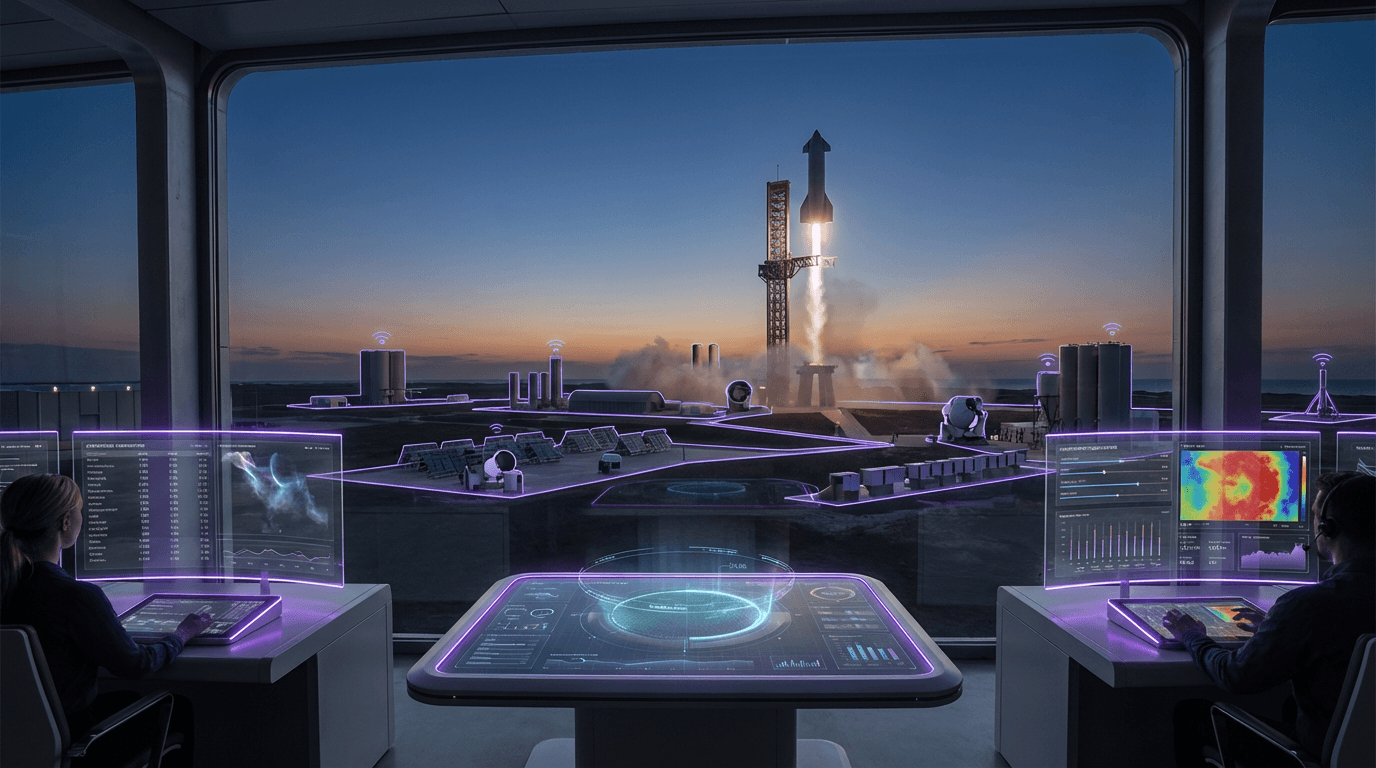
Environmental Impact of Launch Cadence
Environmental impact assessment of launch cadence addresses the atmospheric effects of frequent rocket launches, including emissions of greenhouse gases and other pollutants, potential ozone depletion from rocket exhaust, and black carbon deposition in the upper atmosphere. As launch frequency increases dramatically with the growth of commercial space activities, understanding and mitigating these environmental impacts becomes critical for ensuring that space activities don't contribute significantly to climate change or atmospheric degradation.
This innovation addresses the environmental responsibility of the space industry as launch cadence increases from dozens to potentially hundreds or thousands of launches per year. While individual launches have relatively small impacts, the cumulative effects of high-frequency launches could become significant. Research is needed to understand these impacts and develop mitigation strategies, while policy frameworks may be needed to ensure responsible launch practices.
The technology is important for ensuring that the growth of space activities doesn't come at the expense of Earth's environment. As space becomes more accessible and launch frequency increases, understanding and managing environmental impacts becomes essential. However, research in this area is still developing, and the full impacts of high-frequency launches are not yet well understood. The technology represents an important area of research and policy development, but faces challenges in quantifying impacts, developing mitigation strategies, and balancing space development with environmental protection. Success will depend on continued research, industry cooperation, and potentially regulatory frameworks that ensure responsible launch practices.
Related Organizations

US transportation agency regulating civil aviation and commercial space transportation.

The Aerospace Corporation
United States · Nonprofit
A federally funded research and development center (FFRDC) focused on national security space.


National Oceanic and Atmospheric Administration (NOAA)
United States · Government Agency
US federal agency tasked with monitoring Earth's radiation budget and atmospheric composition.

UK-based orbital launch services company developing the Prime rocket.
Scottish rocket company developing launch vehicles for small satellites.

Public research university in New Zealand.



Joint venture between Airbus and Safran, prime contractor for the Ariane launch vehicle family.
Supporting Evidence
Research this in Signals
Signals turns a topic into a sourced research record you can inspect and rerun. Your first scan is free, and this one starts with Environmental Impact of Launch Cadence already loaded, so edit it or scan as is.