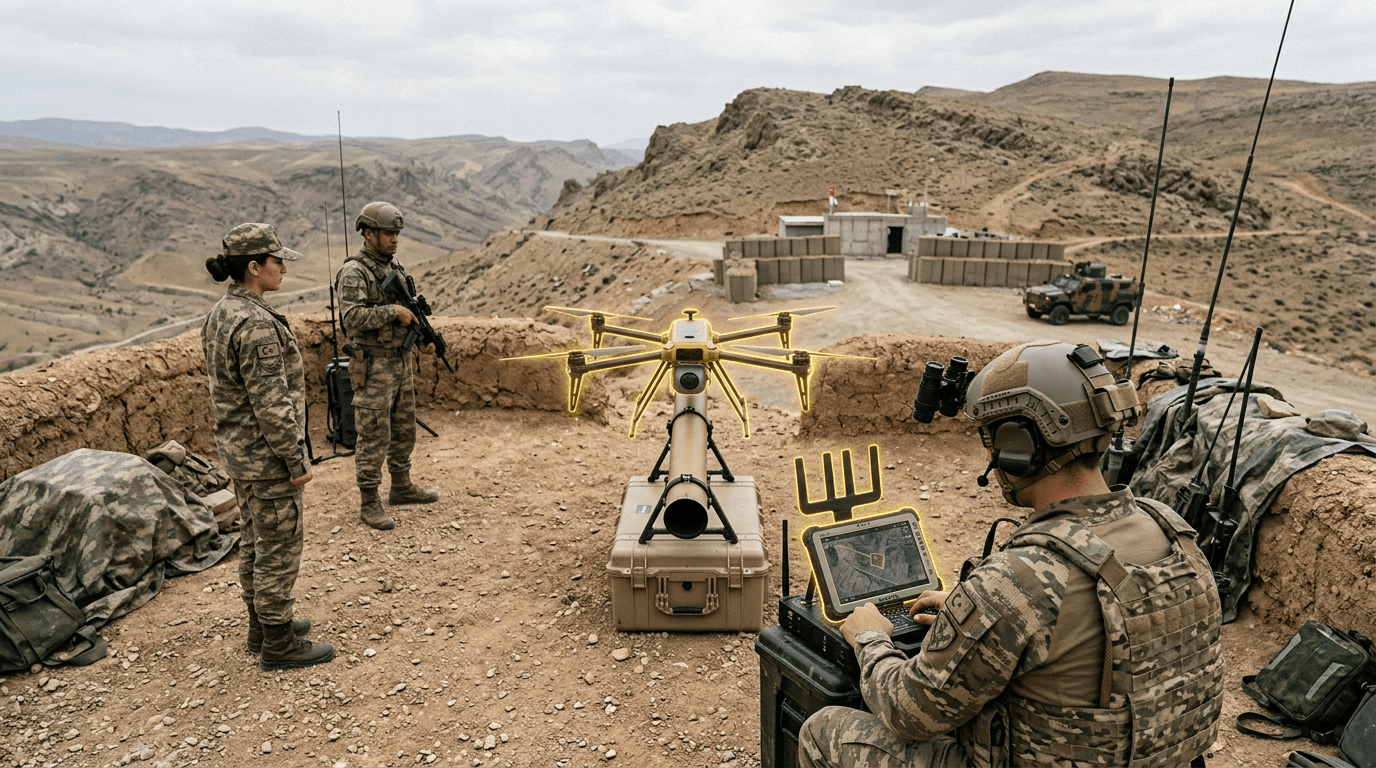
Drone-Optimized Loitering Munitions
Geography: Emea · Middle East · Turkey
Turkey has developed multiple families of loitering munitions — sometimes called 'kamikaze drones' — including the STM KARGU and ALPAGU systems. These small, expendable autonomous weapons can loiter over an area, acquire targets using AI-powered computer vision, and strike with precision. The KARGU reportedly achieved autonomous target engagement in Libya in 2020, potentially the first such incident in combat history.
Loitering munitions fill the gap between precision-guided munitions (expensive, one-shot) and surveillance drones (persistent but unarmed). Turkey's variants range from squad-portable systems weighing a few kilograms to larger vehicle-launched versions with extended range and heavier warheads. The autonomous target acquisition capability, while controversial from an ethics perspective, provides a significant tactical advantage by reducing the kill chain to seconds.
The proliferation implications are significant — loitering munitions are relatively inexpensive to produce (thousands of dollars vs. hundreds of thousands for conventional precision munitions) and Turkey has shown willingness to export them broadly. These weapons represent a democratization of precision strike capability at the tactical level, potentially enabling non-state actors and smaller militaries to achieve effects previously requiring advanced air forces.
Research this in Signals
Signals turns a topic into a sourced research record you can inspect and rerun. Your first scan is free, and this one starts with Drone-Optimized Loitering Munitions already loaded, so edit it or scan as is.