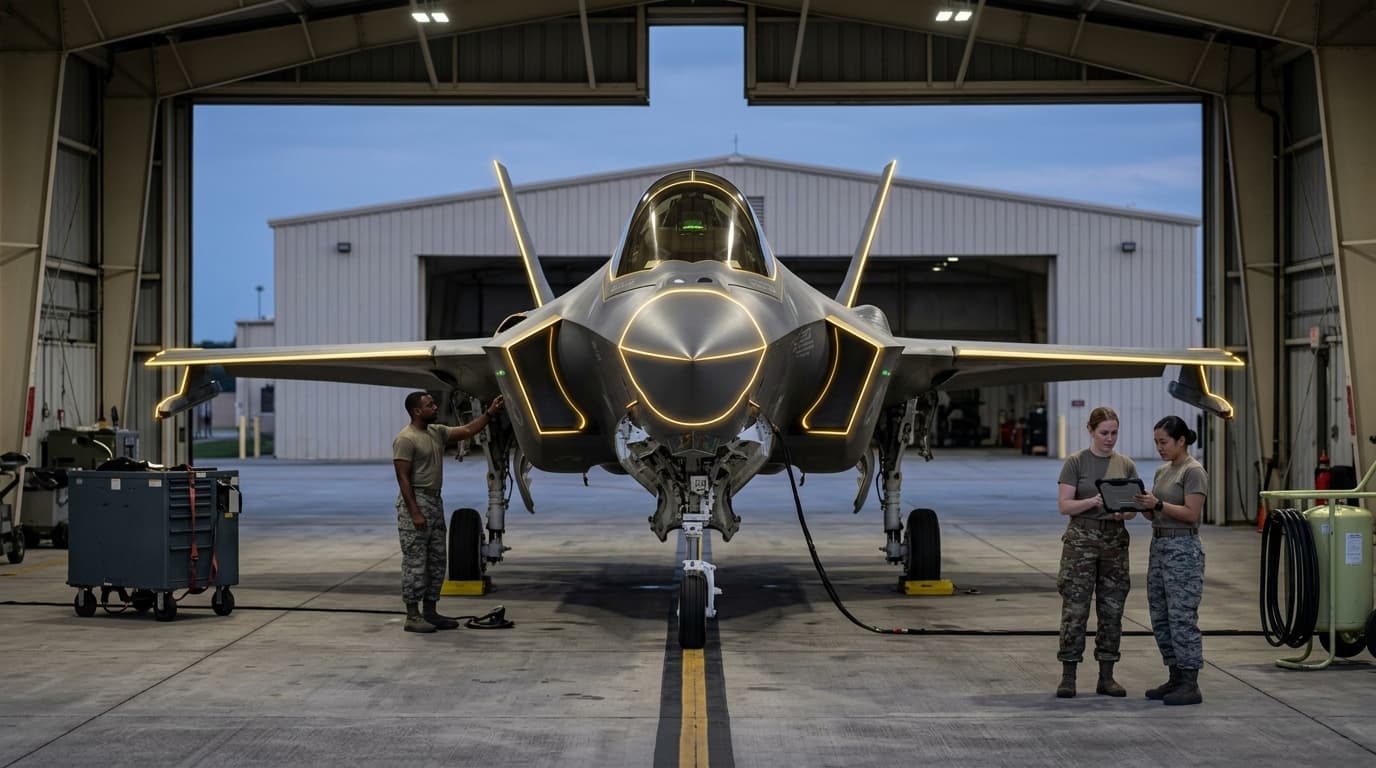
Mission Systems Integration for Combat Aircraft
Mission systems integration is the discipline of making complex combat-aircraft subsystems work together as a single operational system. It spans radar and sensor fusion, electronic warfare suites, embedded mission computing, weapons interfaces, human-machine interfaces, and secure communications links. As aircraft become more software-defined, this integration layer becomes one of the highest-value and hardest-to-replicate capabilities in military aerospace.
This matters because sovereignty in combat aviation increasingly depends less on airframe manufacturing alone and more on the ability to integrate, modify, certify, and sustain mission-critical systems over time. Countries that can participate meaningfully in mission-systems integration gain more control over upgrades, local adaptations, lifecycle support, and future platform evolution.
For Brazil, the Gripen F-39E transfer makes this a strategically important signal. The enduring gain is not just access to a fighter platform, but the possibility of deepening domestic competence in avionics, software integration, weapons interfaces, and long-term sustainment of high-complexity defense systems. That capability has broader spillovers into drones, ISR platforms, embedded defense software, and the wider aerospace-industrial base.
Research this in Signals
Signals turns a topic into a sourced research record you can inspect and rerun. Your first scan is free, and this one starts with Mission Systems Integration for Combat Aircraft already loaded, so edit it or scan as is.