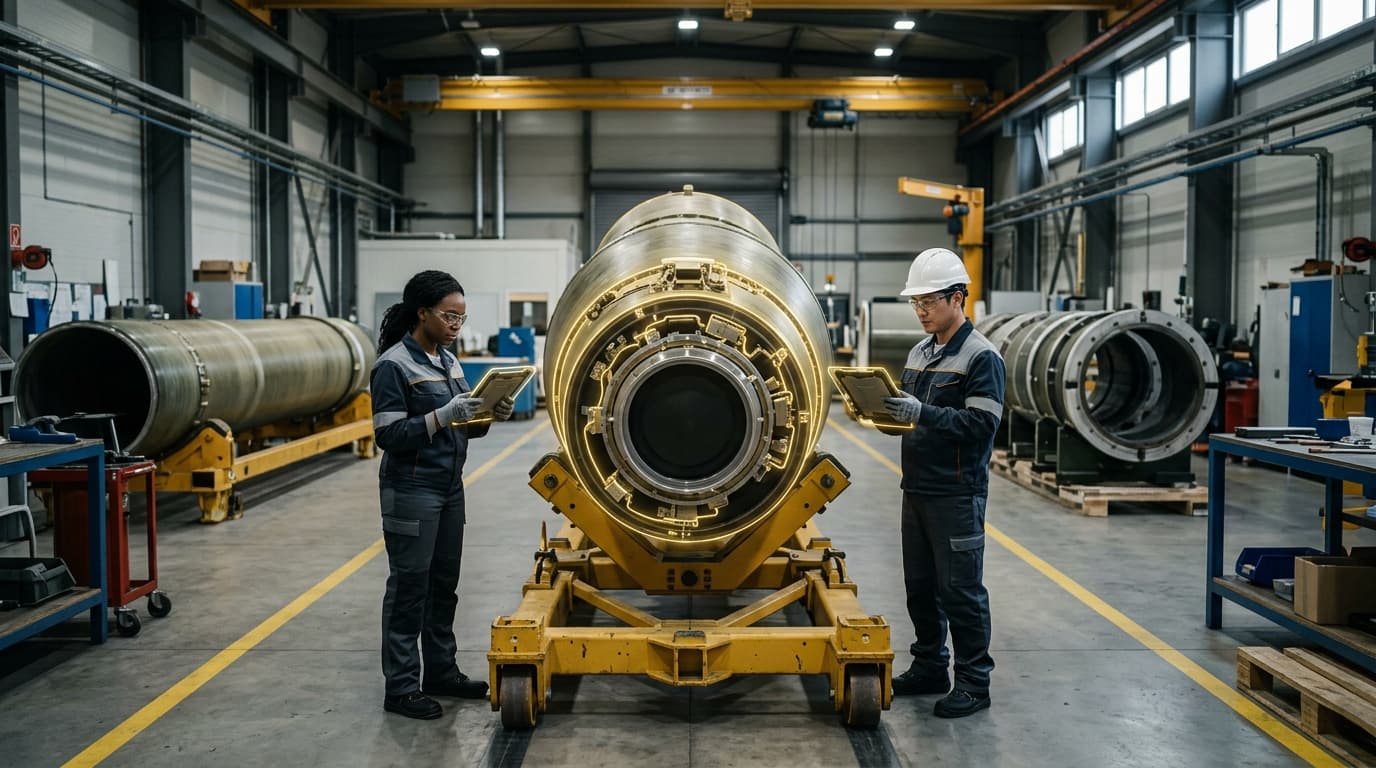
Advanced Solid-Fuel Rocket Motor Technology
Geography: Emea · Middle East · Iran
Iran has developed extensive indigenous capability in solid-fuel rocket motor design and production, ranging from small tactical motors (Fateh-110 series, 300 km range) to medium-range ballistic missile motors (Sejjil, 2,000+ km range) and space launch vehicle stages (Qaem-100). This includes the full production chain: composite motor case manufacturing, advanced propellant formulation and casting, nozzle design with thermal protection, and multi-stage separation mechanisms. The breadth of the solid-fuel motor inventory implies substantial industrial capacity.
Solid-fuel rocket motors are strategically significant because they offer rapid launch readiness (no fueling required), lower logistical complexity, and better survivability than liquid-fuel alternatives. Iran's transition from liquid-fuel (Shahab series, based on Scud technology) to solid-fuel (Fateh, Sejjil, Fattah families) across its missile inventory represents a generational advancement in its strike capability. The production scale — thousands of tactical and strategic solid-fuel motors produced — implies well-established supply chains for composite materials, energetic propellants, and precision manufacturing.
The dual-use nature of solid motor technology is direct: the same motors that power ballistic missiles can propel satellite launch vehicles, as the Qaem-100 demonstrates. This makes international efforts to limit Iran's solid-fuel motor capabilities inherently challenging — restricting space launch vehicle development necessarily restricts a program Iran frames as civilian and a sovereign right. The technical sophistication required for large, high-performance solid motors — including controlling burn characteristics, managing structural loads, and achieving reliable ignition — places Iran among approximately 15 countries globally with this capability.
Research this in Signals
Signals turns a topic into a sourced research record you can inspect and rerun. Your first scan is free, and this one starts with Advanced Solid-Fuel Rocket Motor Technology already loaded, so edit it or scan as is.