Electronic Warfare and Countermeasure Systems
Geography: Emea · Middle East · Iran
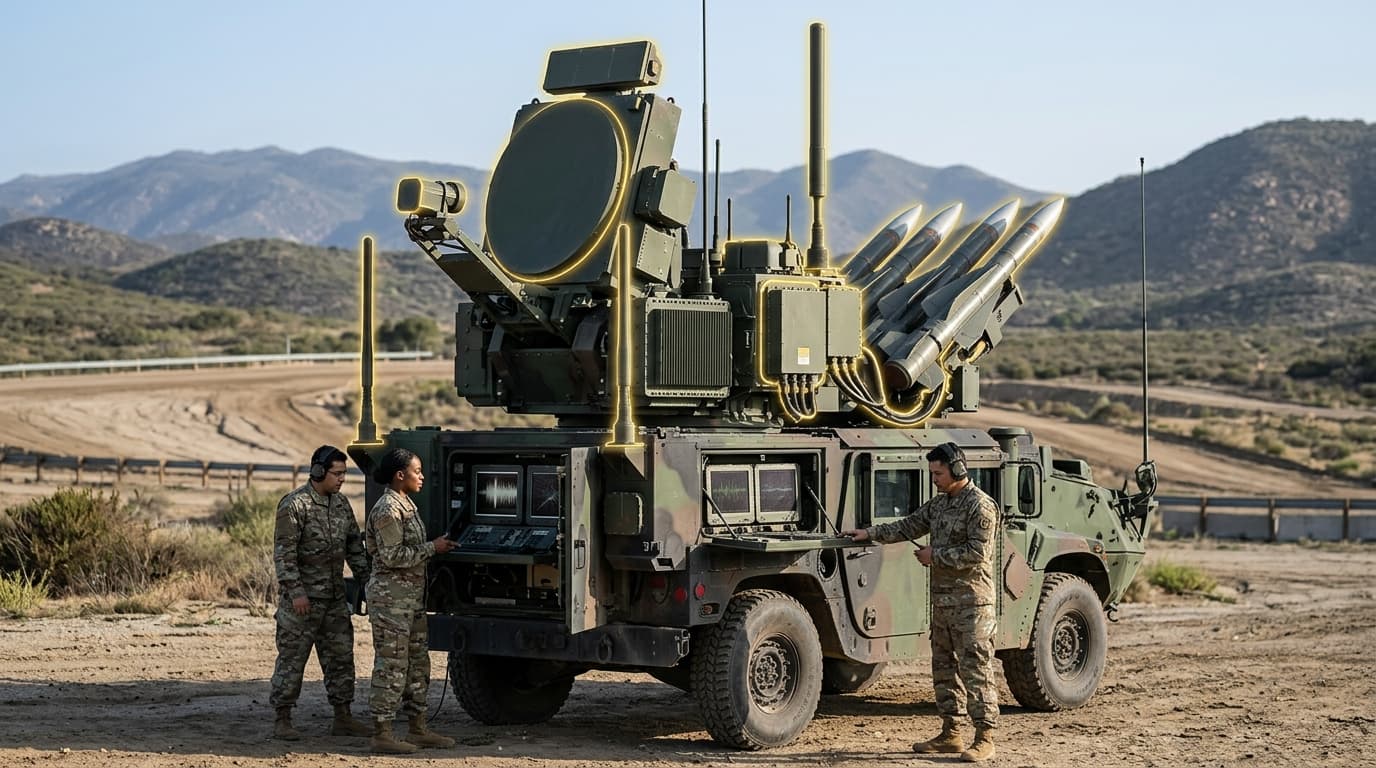
Iran has developed indigenous electronic warfare (EW) capabilities integrated into its radar, air defense, and missile systems. These include radar jamming resistance features built into phased array systems, frequency-hopping communications for military networks, and anti-EW countermeasures claimed for anti-ship missiles like the Nasir cruise missile. During the 2025-2026 conflict, Iranian forces reportedly employed EW countermeasures to mitigate the impact of Israeli and allied electronic and cyber interference on radar networks.
Electronic warfare capability is difficult to assess from open sources — by nature, EW systems are designed to be used covertly, and performance claims are rarely verifiable outside of combat. Iran's EW development has been driven by the acute threat of electronic attack: Israeli and US forces possess world-leading EW capabilities, and any Iranian defense system that cannot function under electronic attack is effectively neutralized. This has created strong incentives for hardening and countermeasure development across the defense electronics portfolio.
The strategic context of Iranian EW includes both defensive applications (protecting radar and air defense systems from jamming, spoofing, and cyberattack) and offensive applications (GPS spoofing — Iran has demonstrated the ability to spoof GPS signals to divert or capture drones, most notably the RQ-170 Sentinel incident in 2011). The EW domain represents an area where the gap between Iranian and adversary capabilities is potentially narrower than in platforms and weapons systems, because EW is primarily a software and signal-processing discipline where talent and innovation can partially compensate for hardware disadvantage.
Research this in Signals
Signals turns a topic into a sourced research record you can inspect and rerun. Your first scan is free, and this one starts with Electronic Warfare and Countermeasure Systems already loaded, so edit it or scan as is.