Naval Anti-Access/Area-Denial Doctrine and Systems
Geography: Emea · Middle East · Iran
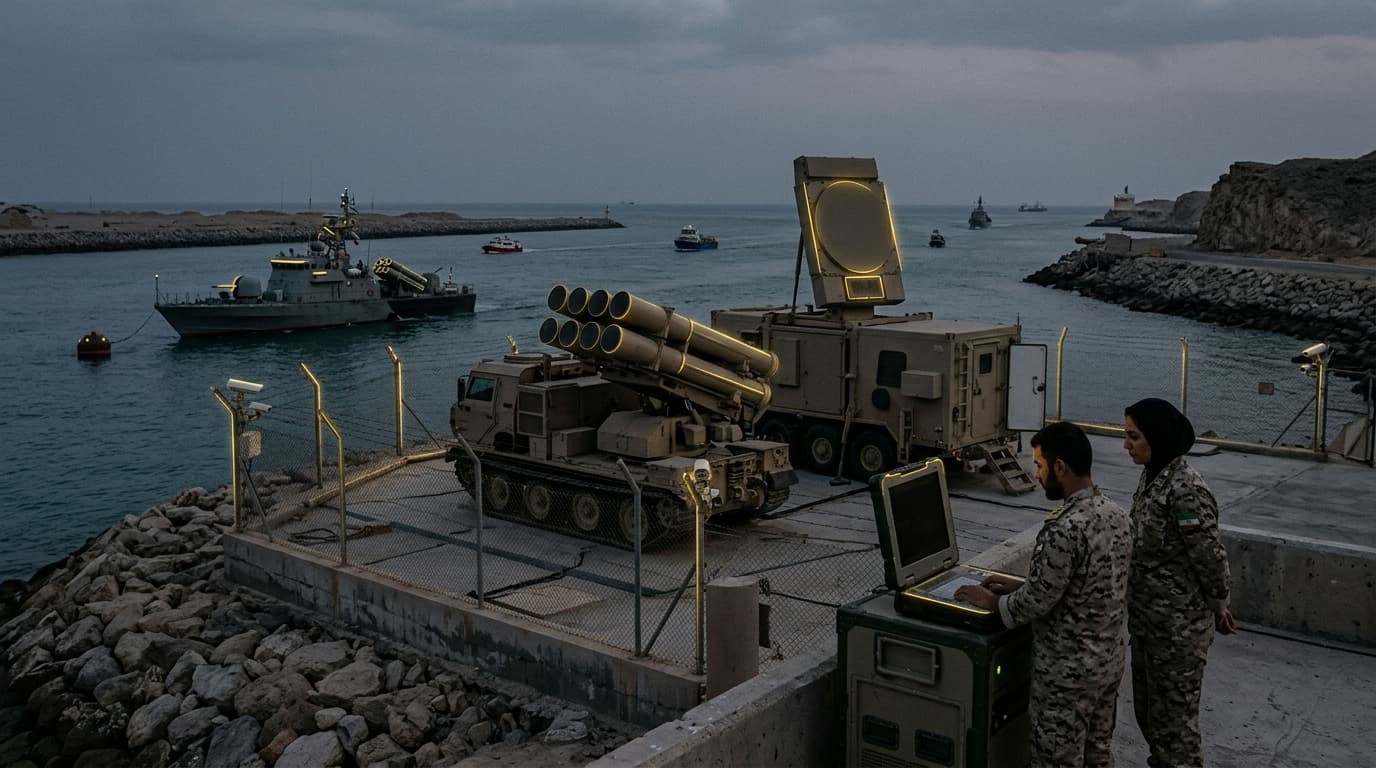
Iran has assembled a layered anti-access/area-denial (A2/AD) system designed to threaten maritime traffic through the Strait of Hormuz — the chokepoint through which approximately 20% of global oil trade flows. The system integrates anti-ship ballistic missiles (Khalij Fars), anti-ship cruise missiles (Noor, Ghader, Nasir), fast attack boats equipped with torpedoes and missiles, Ghadir and Fateh-class submarines, and extensive naval mine inventories. Shore-based radar and missile batteries along the Iranian coast provide overlapping coverage.
The A2/AD concept is Iran's primary conventional military deterrent. Unable to match US or regional naval forces in blue-water combat, Iran has optimized for the specific geography of the Persian Gulf: narrow waters, short engagement ranges, and the ability to threaten the Strait of Hormuz — a 21-mile-wide passage that is the world's most important oil transit chokepoint. The layered approach means that any adversary attempting to force the strait would face simultaneous threats from multiple domains (air, surface, subsurface, coastal).
The strategic significance extends beyond the military domain into global energy security and economics. The implied threat to Hormuz transit influences oil pricing, maritime insurance markets, and the strategic calculations of every country dependent on Gulf oil. Iran's A2/AD capability — even if its effectiveness against a determined US naval assault is debatable — functions as an economic weapon by raising the perceived cost and risk of military confrontation. The 2019 tanker attacks and 2024-2025 Houthi Red Sea campaign (enabled in part by Iranian technology) demonstrated the real-world impact of asymmetric maritime threats.
Research this in Signals
Signals turns a topic into a sourced research record you can inspect and rerun. Your first scan is free, and this one starts with Naval Anti-Access/Area-Denial Doctrine and Systems already loaded, so edit it or scan as is.