Digital Human
An AI-powered, lifelike virtual avatar that simulates human appearance, speech, and behavior.
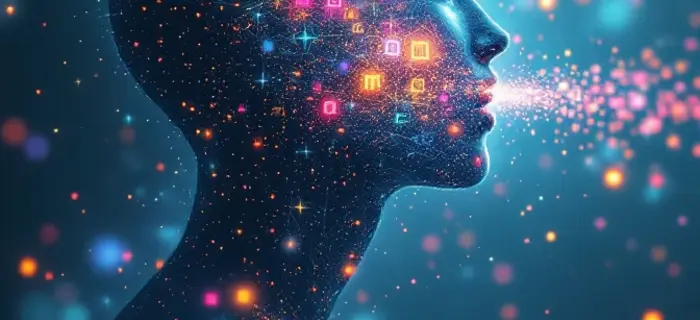
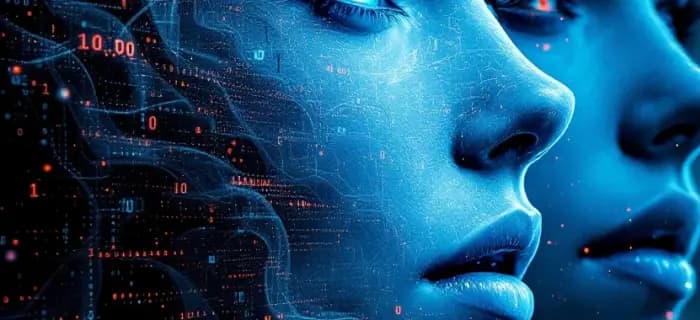
A digital human is a synthetic virtual character engineered to replicate the visual appearance, movement, voice, and behavioral nuances of a real person. Built at the intersection of artificial intelligence, computer graphics, and natural language processing, these systems combine high-fidelity 3D rendering with real-time animation rigs, speech synthesis, and conversational AI to produce entities capable of engaging users in naturalistic, responsive interactions. Unlike static avatars or pre-scripted characters, modern digital humans can perceive and react to user input dynamically, adapting their expressions, tone, and dialogue in real time.
The technical architecture underlying a digital human typically involves several integrated components: a photorealistic mesh and texture pipeline (often derived from photogrammetry or neural rendering), a facial animation system driven by blend shapes or neural networks, a speech-to-text and natural language understanding layer, and a text-to-speech engine capable of generating synchronized lip movements. Emotion recognition modules may also feed into the system, allowing the digital human to mirror or respond appropriately to a user's affective state. Advances in generative models and neural radiance fields (NeRF) have significantly accelerated the realism achievable with these pipelines.
Digital humans have found deployment across a wide range of industries. In entertainment and gaming, they enable the creation of photorealistic non-player characters and virtual actors. In customer service and retail, they serve as always-available virtual agents capable of handling complex queries with a human-like presence. Healthcare applications include virtual therapists, patient educators, and clinical training simulations. The technology has also been adopted in corporate communications, where executives' digital likenesses can deliver multilingual presentations at scale.
The concept gained significant momentum around 2017–2018, driven by real-time rendering breakthroughs in engines like Unreal Engine and the proliferation of deep learning tools for face synthesis and animation. The broader societal implications—including questions of identity, consent, deepfakes, and the psychological effects of interacting with near-human entities—make digital humans one of the more ethically complex frontiers in applied AI. As the technology continues to mature, the line between digital and biological human representation grows increasingly difficult to discern.
Research this in Signals
Signals turns a topic into a sourced research record you can inspect and rerun. Your first scan is free, and this one starts with Digital Human already loaded, so edit it or scan as is.