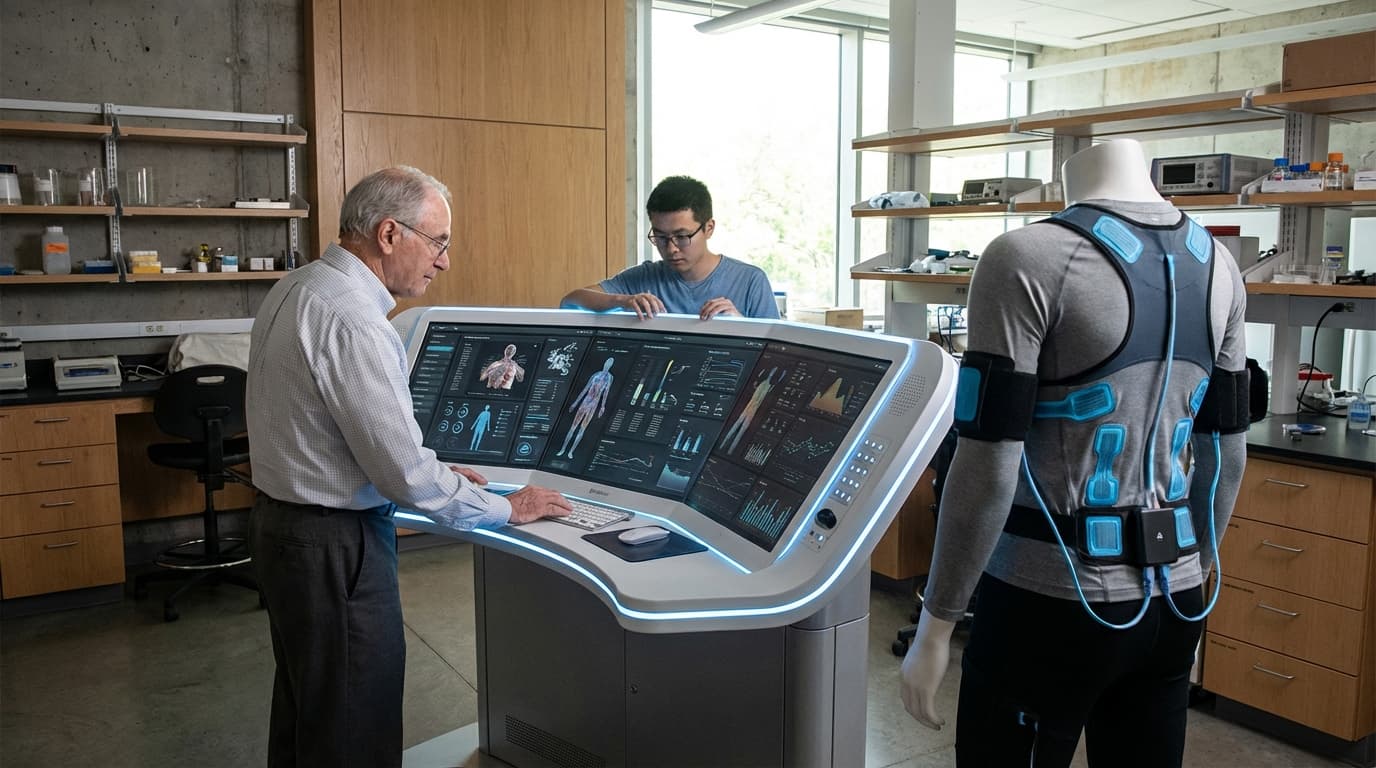
Longevity & Mortality Risk Platforms
The convergence of biotechnology, data analytics, and actuarial science has given rise to sophisticated platforms designed to model and price longevity risk with unprecedented precision. These systems integrate diverse data streams—including genomic markers, continuous health monitoring from wearable devices, electronic health records, and large-scale population studies—to generate predictive models of human lifespan and healthspan. At their technical core, these platforms employ machine learning algorithms trained on longitudinal datasets that correlate genetic predispositions, lifestyle factors, environmental exposures, and medical interventions with mortality outcomes. Unlike traditional actuarial tables that rely primarily on historical demographic data and broad risk categories, these advanced systems can assess individual-level risk profiles while simultaneously modeling cohort-level trends. The platforms process real-time biometric data streams, apply survival analysis techniques, and generate probabilistic forecasts that account for medical advances, changing disease patterns, and socioeconomic variables that influence aging trajectories.
The financial services industry faces mounting challenges as global populations age and life expectancies extend beyond historical projections. Insurance companies pricing life policies and annuities, pension funds managing long-term liabilities, and investors in longevity-linked securities all confront the fundamental problem of longevity risk—the possibility that people will live longer than anticipated, creating unforeseen financial obligations. Traditional actuarial models, developed when medical capabilities and data availability were far more limited, struggle to capture the complexity of modern aging patterns and the potential impact of emerging therapies. These platforms address this gap by enabling more granular risk segmentation, dynamic repricing mechanisms, and early identification of mortality trend shifts. For pension funds, this means more accurate liability forecasting and better-informed investment strategies. For insurers, it enables product innovation such as wellness-linked policies that adjust premiums based on verified health behaviors, and more precise pricing of longevity bonds—securities whose payouts are tied to actual survival rates of reference populations.
Early implementations of these platforms have appeared primarily in reinsurance markets and among large institutional investors seeking to hedge longevity exposure. Some insurance carriers have begun piloting programs that incorporate wearable device data into underwriting processes, offering premium discounts to policyholders who demonstrate healthy behaviors through verified activity metrics. Research suggests that the integration of genetic risk scores into actuarial models remains largely exploratory, constrained by regulatory frameworks, privacy considerations, and the evolving understanding of gene-environment interactions in aging. As populations in developed economies continue to age and healthcare systems grapple with chronic disease management, the demand for sophisticated longevity modeling is expected to intensify. The platforms represent a shift toward continuous, data-driven risk assessment rather than static, point-in-time evaluations. This evolution aligns with broader trends in personalized medicine and precision health, potentially transforming how societies finance retirement security and manage the economic implications of extended lifespans. The technology's trajectory suggests a future where financial products adapt dynamically to individual health trajectories, creating both opportunities for more equitable risk pricing and challenges around data privacy, algorithmic fairness, and access to affordable coverage.
Related Organizations

Specialized analytics firm providing longevity data and risk modeling for pension funds and insurers in the UK, US, and Canada.

Top-tier reinsurance group offering longevity swaps and mortality risk protection to pension funds and life insurers.

Lapetus Solutions
United States · Startup
Insurtech using facial analytics and sensory data to estimate life expectancy and health risks for life insurance underwriting.

Financial services group and a global leader in Pension Risk Transfer (PRT), managing massive longevity exposure.

Major insurer and leader in the pension risk transfer market, utilizing advanced longevity modeling for retirement solutions.

One of the largest global life and health reinsurers, specializing in mortality and morbidity risk transfer solutions.

Actuarial automation platform helping life insurers price products and model portfolio risks more dynamically.

Data analytics company enabling life and health insurers to underwrite risk using digital health data instead of medical exams.
Supporting Evidence
Research this in Signals
Signals turns a topic into a sourced research record you can inspect and rerun. Your first scan is free, and this one starts with Longevity & Mortality Risk Platforms already loaded, so edit it or scan as is.