IoT Telematics & Risk Sensors
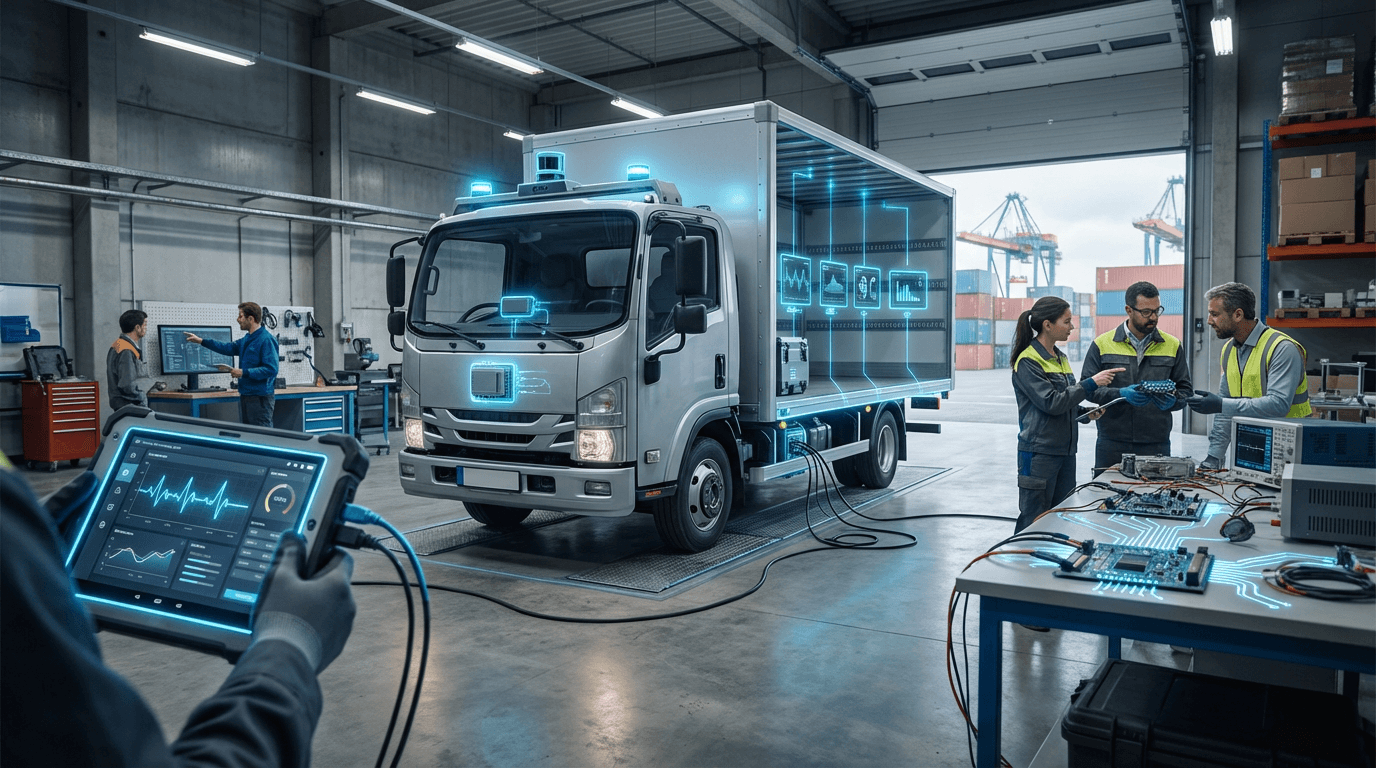
IoT telematics and risk sensors represent a convergence of embedded sensing technology, wireless connectivity, and edge computing designed to capture and transmit real-time data about insured assets and their operating environments. These systems typically combine multiple sensor types—including accelerometers, GPS modules, temperature gauges, moisture detectors, and impact sensors—within compact, tamper-resistant devices that can be installed in vehicles, attached to property infrastructure, or embedded within industrial equipment. The data streams generated by these sensors are processed both locally, through edge computing capabilities that enable immediate anomaly detection, and remotely, where cloud-based analytics platforms aggregate information across entire portfolios of insured assets. Advanced implementations incorporate cryptographic verification to ensure data integrity, preventing manipulation that could compromise the accuracy of risk assessments or claims validation.
The insurance industry has historically relied on backward-looking data—claims history, demographic statistics, and periodic inspections—to assess risk and set premiums. This approach creates significant inefficiencies: low-risk policyholders often subsidize high-risk behaviors they don't engage in, while insurers lack visibility into emerging risks until after losses occur. IoT telematics and risk sensors fundamentally transform this model by enabling continuous risk monitoring and evidence-based pricing. For auto insurance, these systems can detect harsh braking, rapid acceleration, distracted driving patterns, and even predict mechanical failures before they result in accidents. In property insurance, sensors monitor for water leaks, fire hazards, structural stress, and environmental conditions that might indicate elevated risk. This granular visibility allows insurers to move from annual premium adjustments to dynamic pricing models that reward safe behavior in near real-time, while also enabling proactive interventions—such as alerting property owners to a developing water leak before it causes extensive damage.
Commercial deployments of telematics have expanded significantly beyond early usage-based insurance pilots, with major insurers now offering sensor-equipped programs across multiple lines of business. Fleet management applications combine telematics with predictive maintenance algorithms to reduce accident rates and vehicle downtime, while commercial property insurers deploy sensor networks that monitor everything from refrigeration temperatures in food service operations to vibration patterns in manufacturing equipment. Research suggests that telematics-enabled programs can reduce claim frequencies by twenty to thirty percent through behavioral modification and early intervention, creating value for both insurers and policyholders. The technology is evolving toward more sophisticated risk prediction, incorporating machine learning models that can identify complex patterns indicative of emerging threats. As 5G networks expand and sensor costs continue to decline, the scope of insurable risks amenable to real-time monitoring will broaden substantially, potentially extending to cyber risk indicators, supply chain disruptions, and even health-related metrics. This trajectory positions IoT telematics as a foundational technology for the transition from reactive insurance models to proactive risk management partnerships, where insurers and policyholders collaborate to prevent losses rather than simply compensating for them after the fact.
Related Organizations

The world's largest mobile telematics provider, powering usage-based insurance programs for top insurers via smartphone sensing.

Data-powered insurer for essential supply chains, utilizing IoT sensors for claims.

Mobility data and analytics company founded by Allstate, converting driving data into risk scores for insurers and apps.

Specialty insurer (part of Munich Re) that heavily deploys IoT sensors for equipment breakdown and industrial risk monitoring.

Smart water leak detector designed for mass deployment by home insurers to reduce escape-of-water claims.

European leader in insurance telematics and smart mobility solutions, providing hardware and data analytics for risk pricing.
Home telematics company partnering with insurers to provide smart water leak detectors and battery monitors to policyholders.

Car insurance company that uses mobile telematics to price policies.

IoT platform for connected operations, using AI to predict vehicle maintenance needs and improve fleet safety.

European tech company developing IoT solutions for smart mobility and insurance telematics.
Supporting Evidence
Research this in Signals
Signals turns a topic into a sourced research record you can inspect and rerun. Your first scan is free, and this one starts with IoT Telematics & Risk Sensors already loaded, so edit it or scan as is.