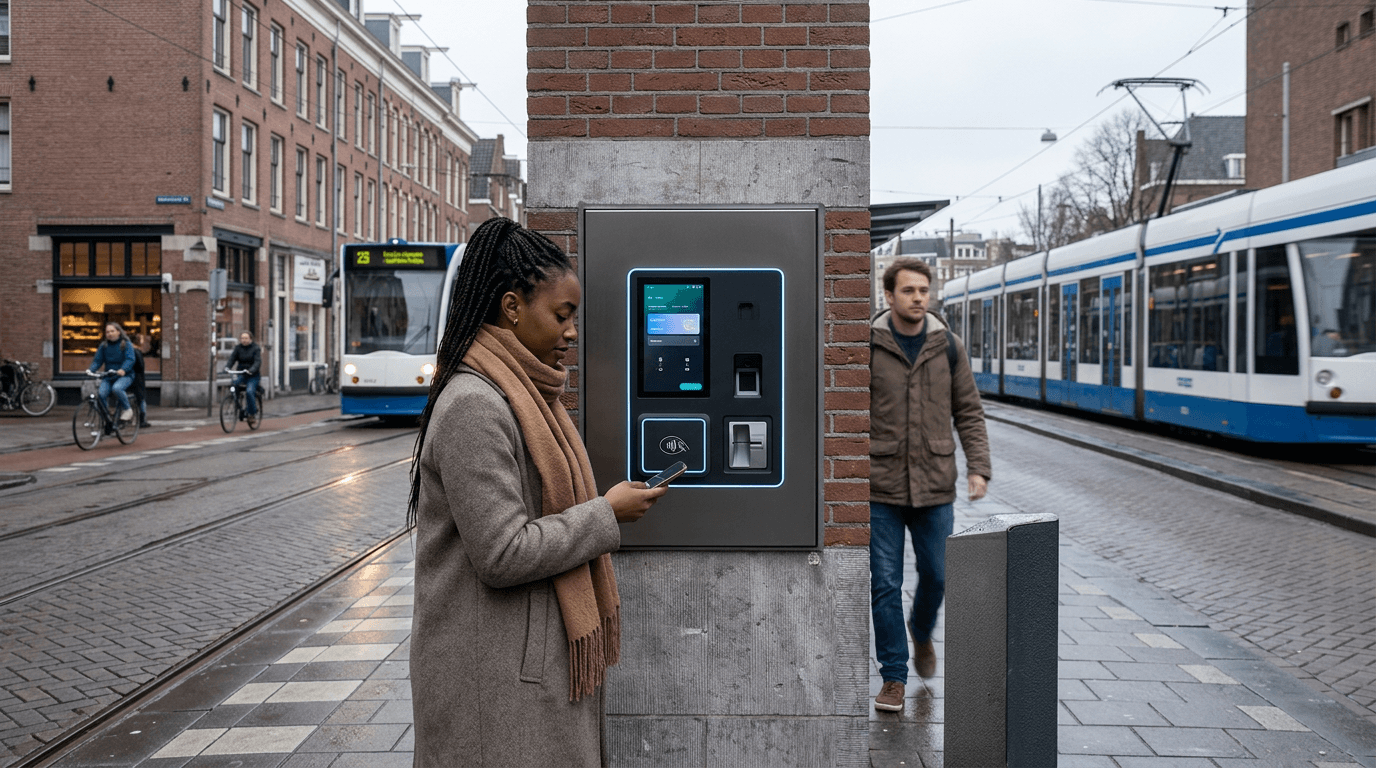
Wero Sovereign Payment System
Geography: Emea · Europe · Europe
Wero is Europe's sovereign instant payment system launched in July 2024 by the European Payments Initiative (EPI), a consortium of major European banks. It enables person-to-person payments, online checkout, and in-store payments without relying on Visa, Mastercard, or PayPal infrastructure. By early 2026, Wero had surpassed 47 million registered users across Belgium, France, and Germany, processed over €7.5 billion in transfers, and enrolled over 1,100 member financial institutions. Major retailers including Lidl, Decathlon, and Rossmann began accepting Wero for online payments.
Wero addresses Europe's most glaring financial sovereignty gap — dependence on U.S.-based payment networks for everyday commerce. While Europe has its own currency (the euro), its own central bank, and its own banking regulation, the actual payment rails for card transactions have been controlled by American companies. Wero replaces fragmented national solutions (Germany's Giropay, France's Paylib, Belgium's Payconiq, Netherlands' iDEAL) with a single pan-European system built on SEPA Instant infrastructure, keeping transaction data and fees within Europe.
Strategically, Wero is the most ambitious European financial sovereignty project since the euro itself. If successful, it would reduce the roughly $24 trillion in annual European payments currently routed through U.S.-controlled networks. The system's expansion into Austria, the Netherlands, and additional markets through 2026-2027, combined with point-of-sale and e-commerce capabilities, positions it as a genuine Visa/Mastercard alternative rather than just a peer-to-peer transfer tool. Success is not guaranteed — previous European payment sovereignty attempts (Monnet, PayFair) failed — but Wero's rapid early traction suggests stronger execution.
Research this in Signals
Signals turns a topic into a sourced research record you can inspect and rerun. Your first scan is free, and this one starts with Wero Sovereign Payment System already loaded, so edit it or scan as is.